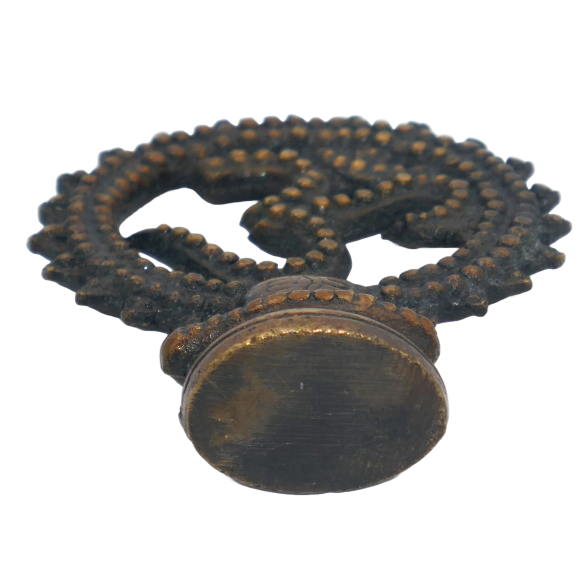
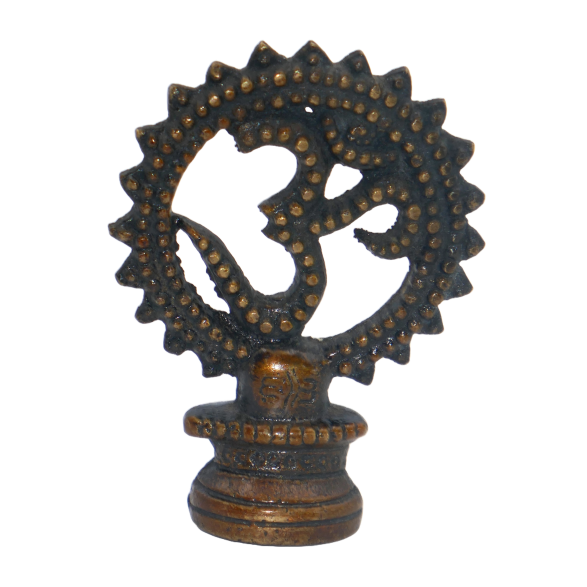
Date: 18th century
Geography: Cambodia
Dimensions:21.5cm H x 10cm L x 9cm D
Weight: 1.854kg
Material: Bronze
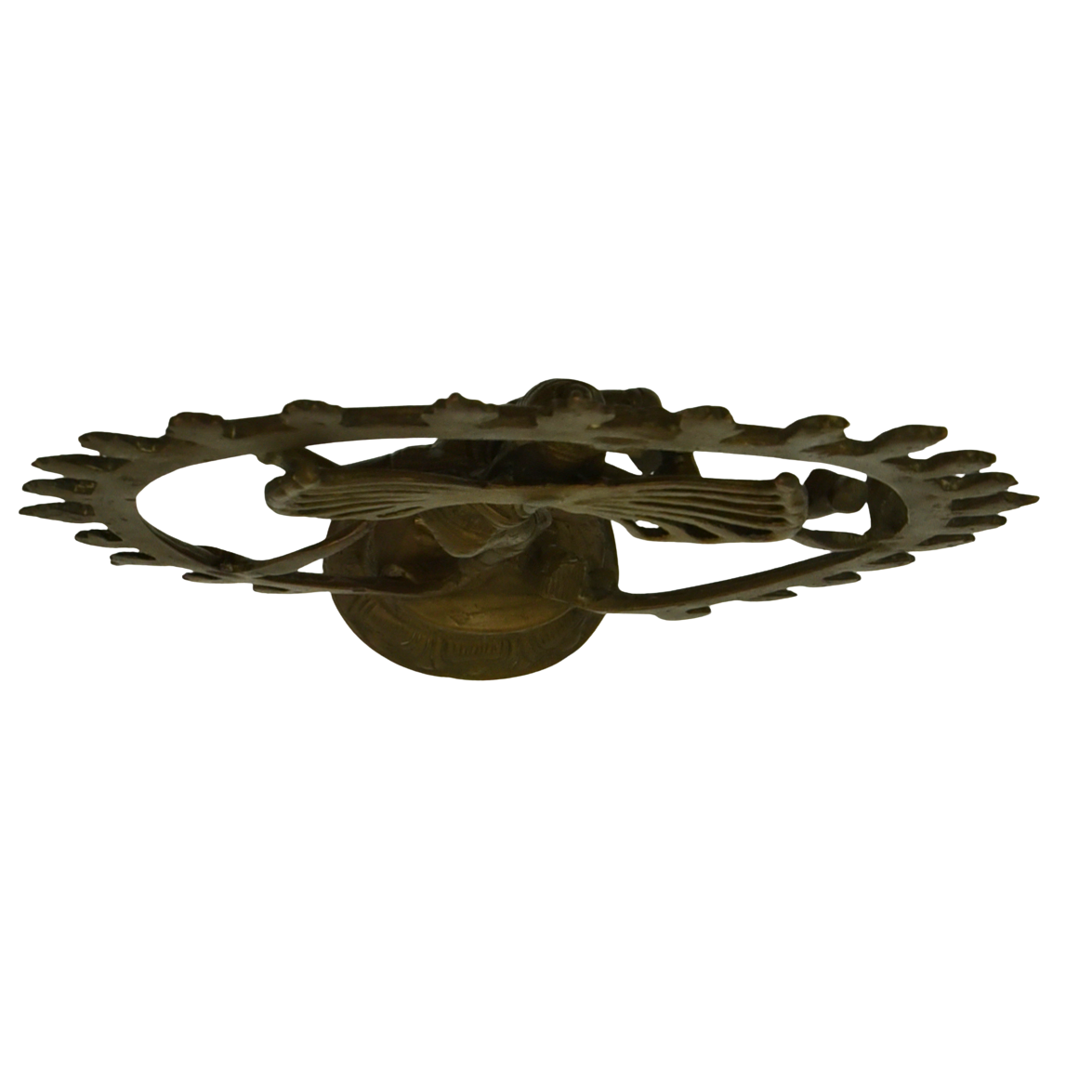
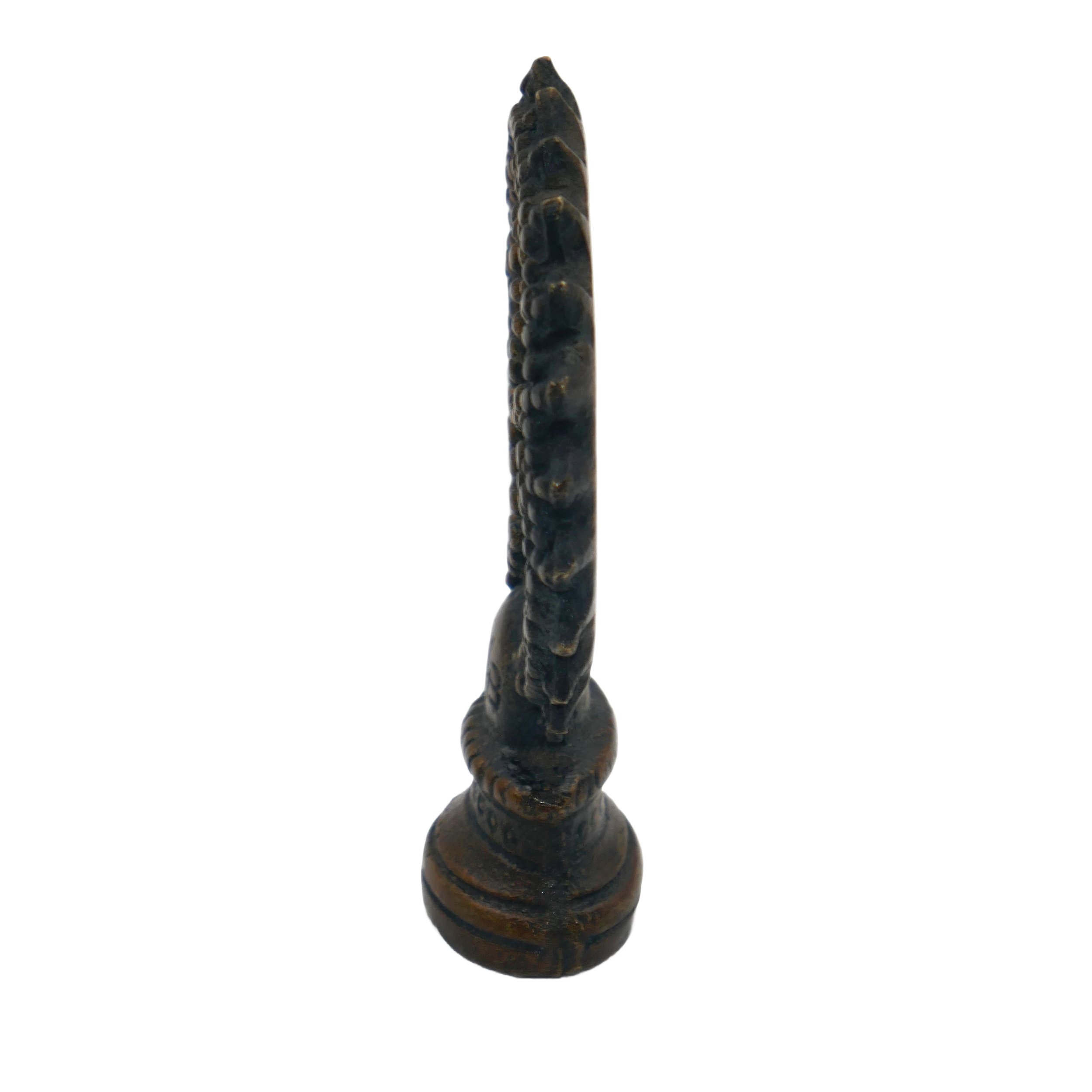
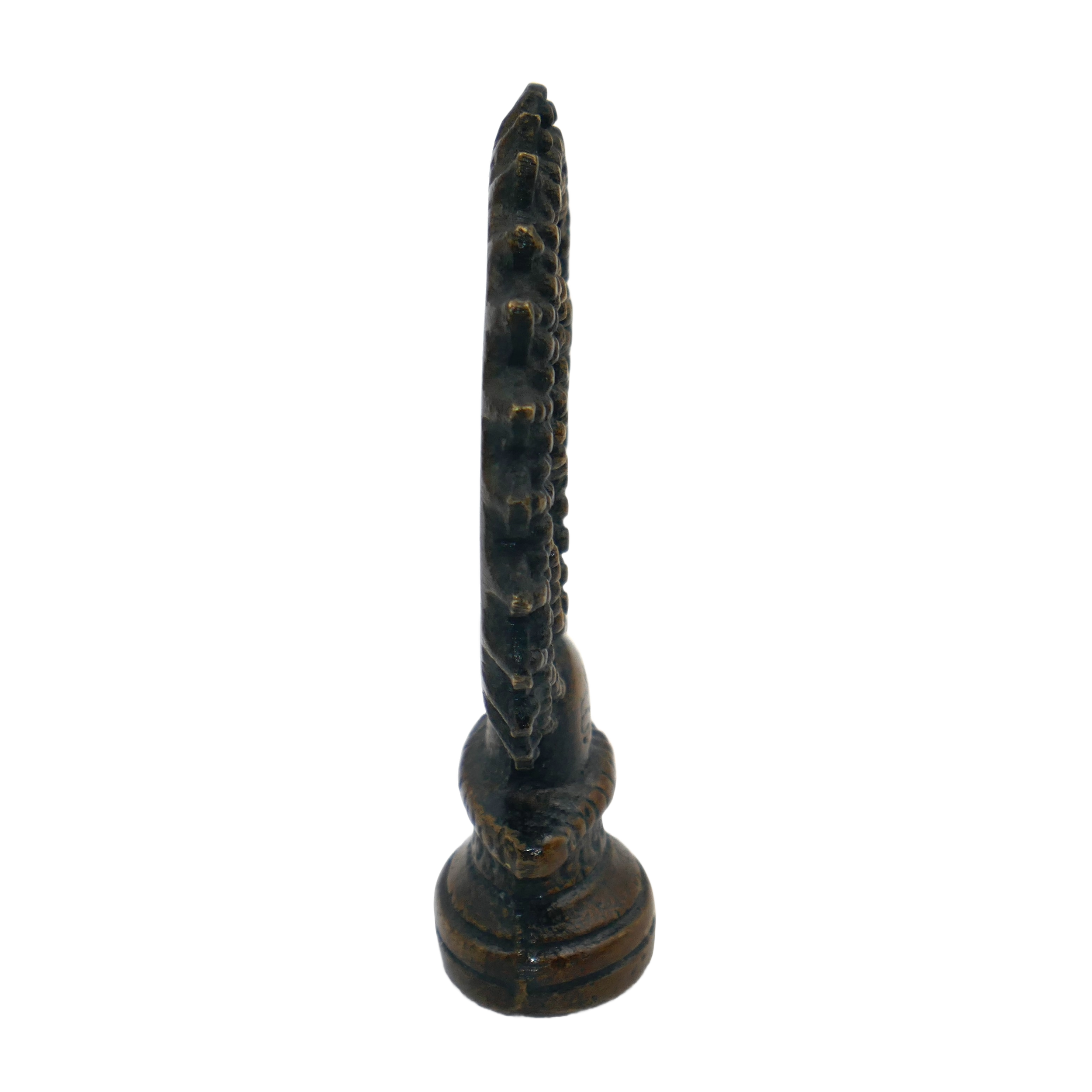
Condition: This authentic piece shows visible signs of age. There are several small casting holes and structural pits alongside areas of natural surface oxidation (patina), which enhance its historical character.
Brahma
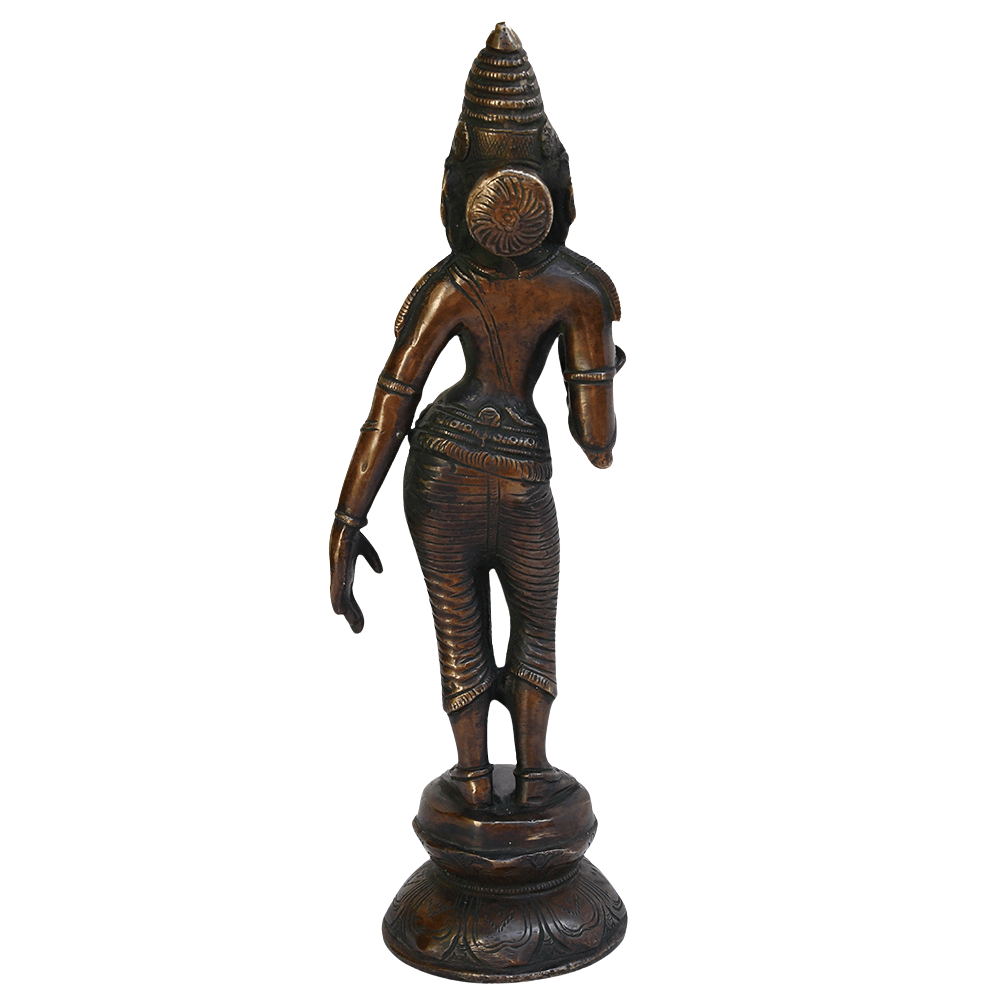
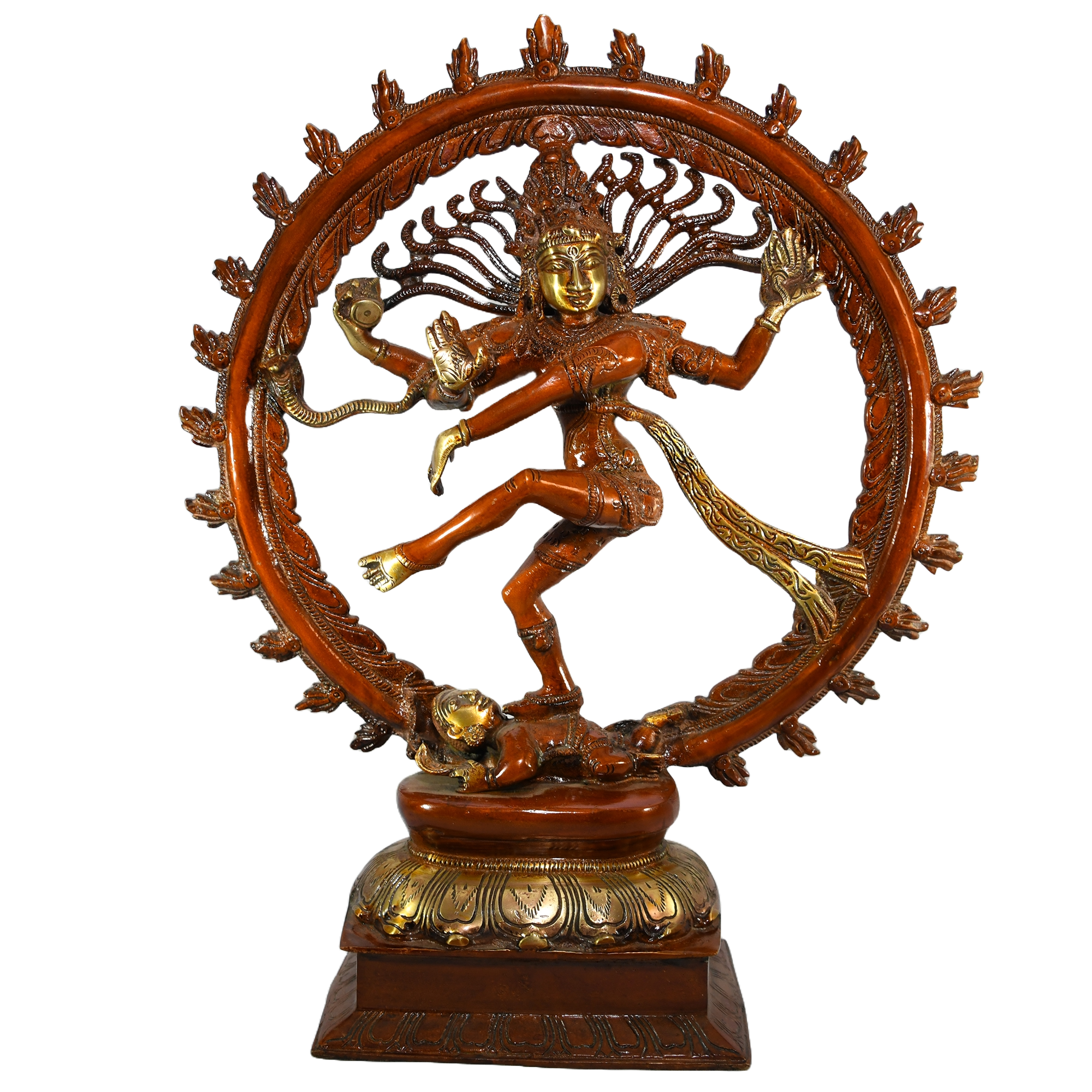
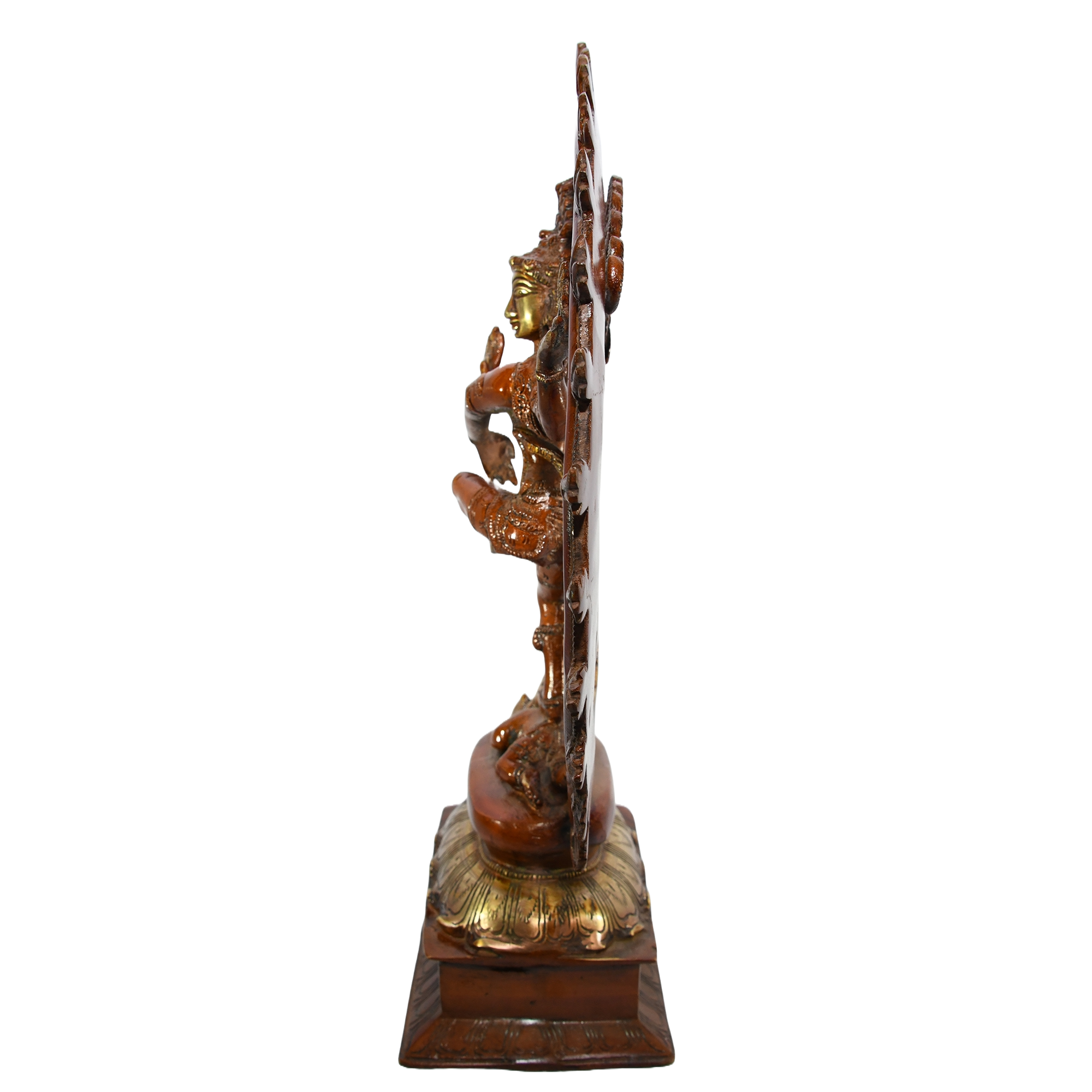
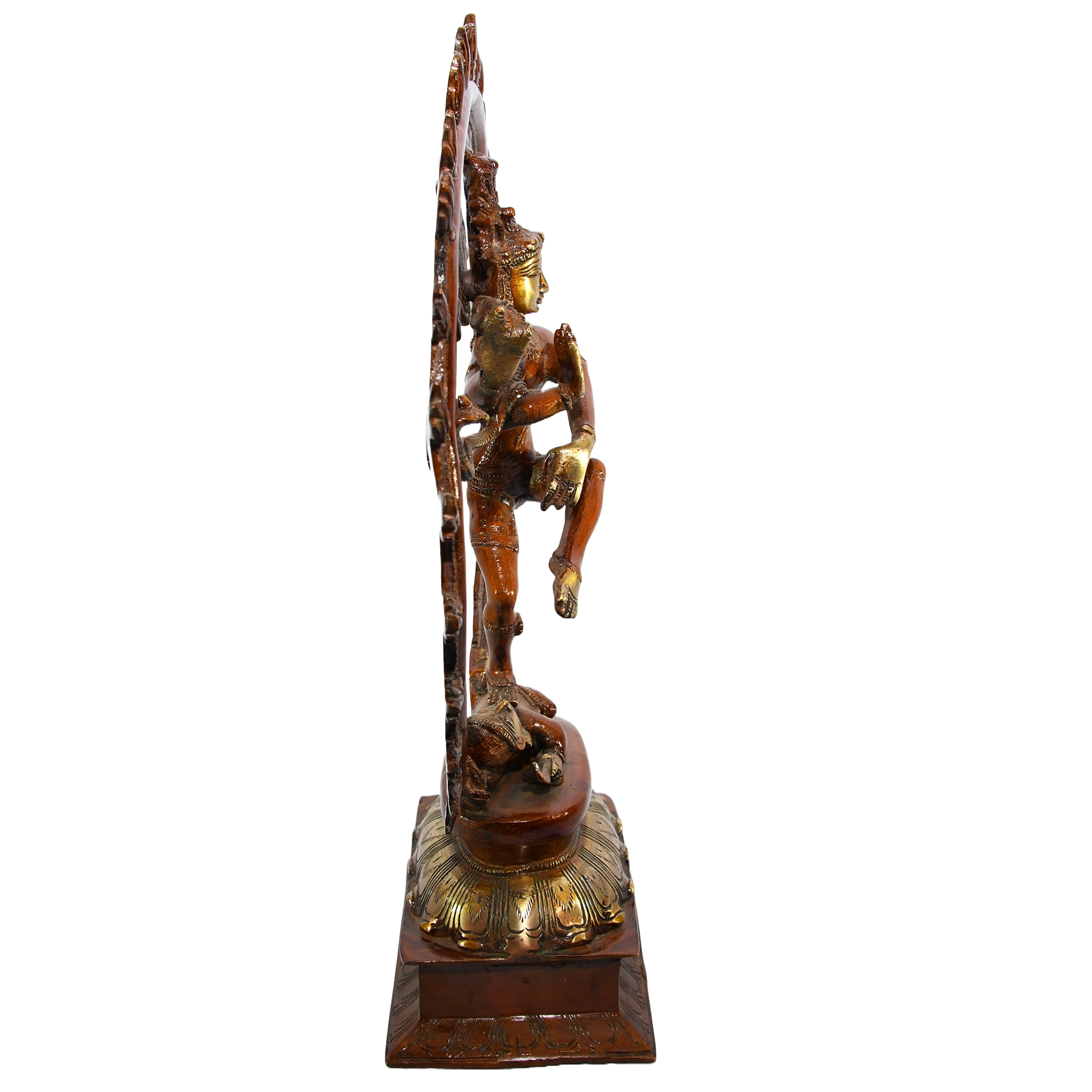
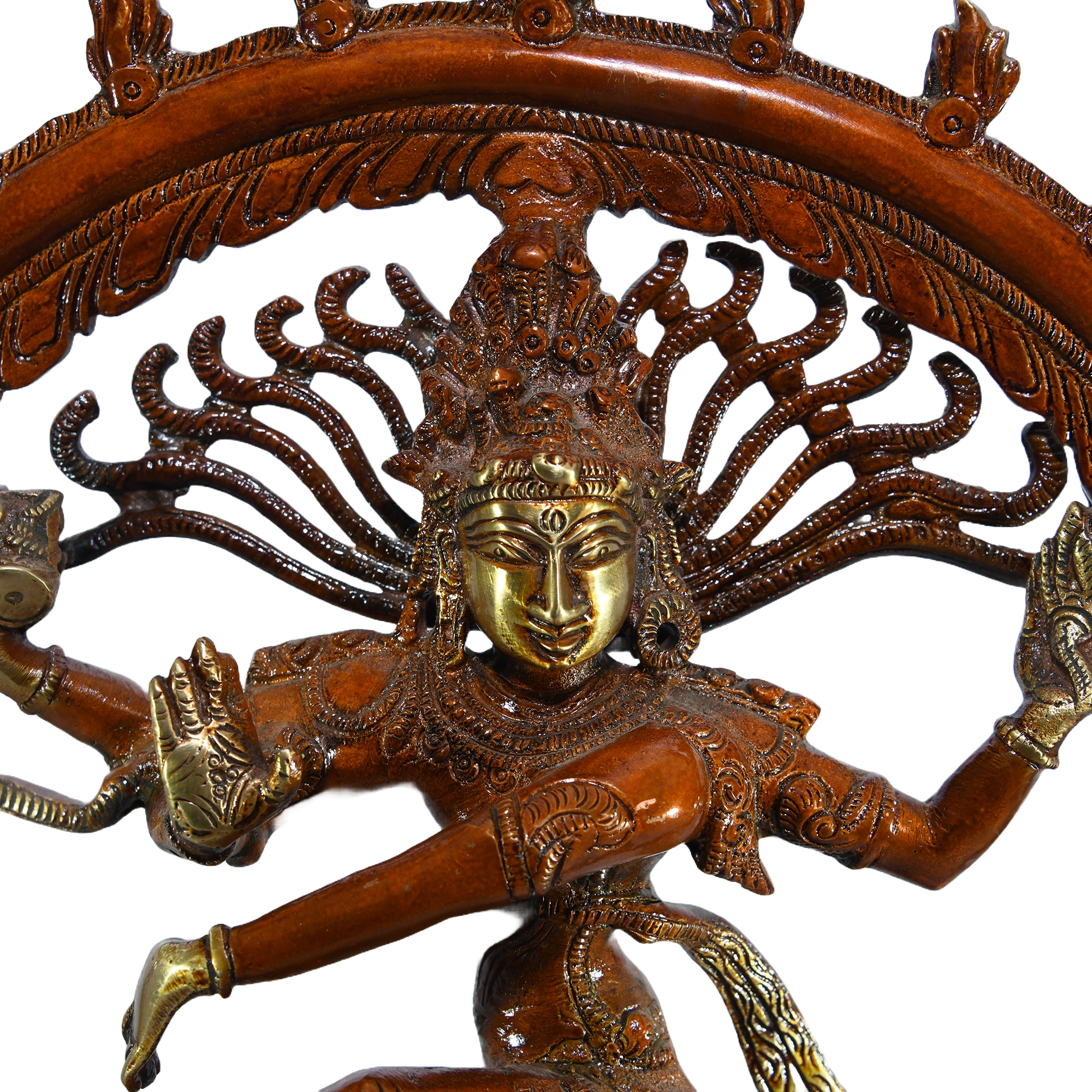
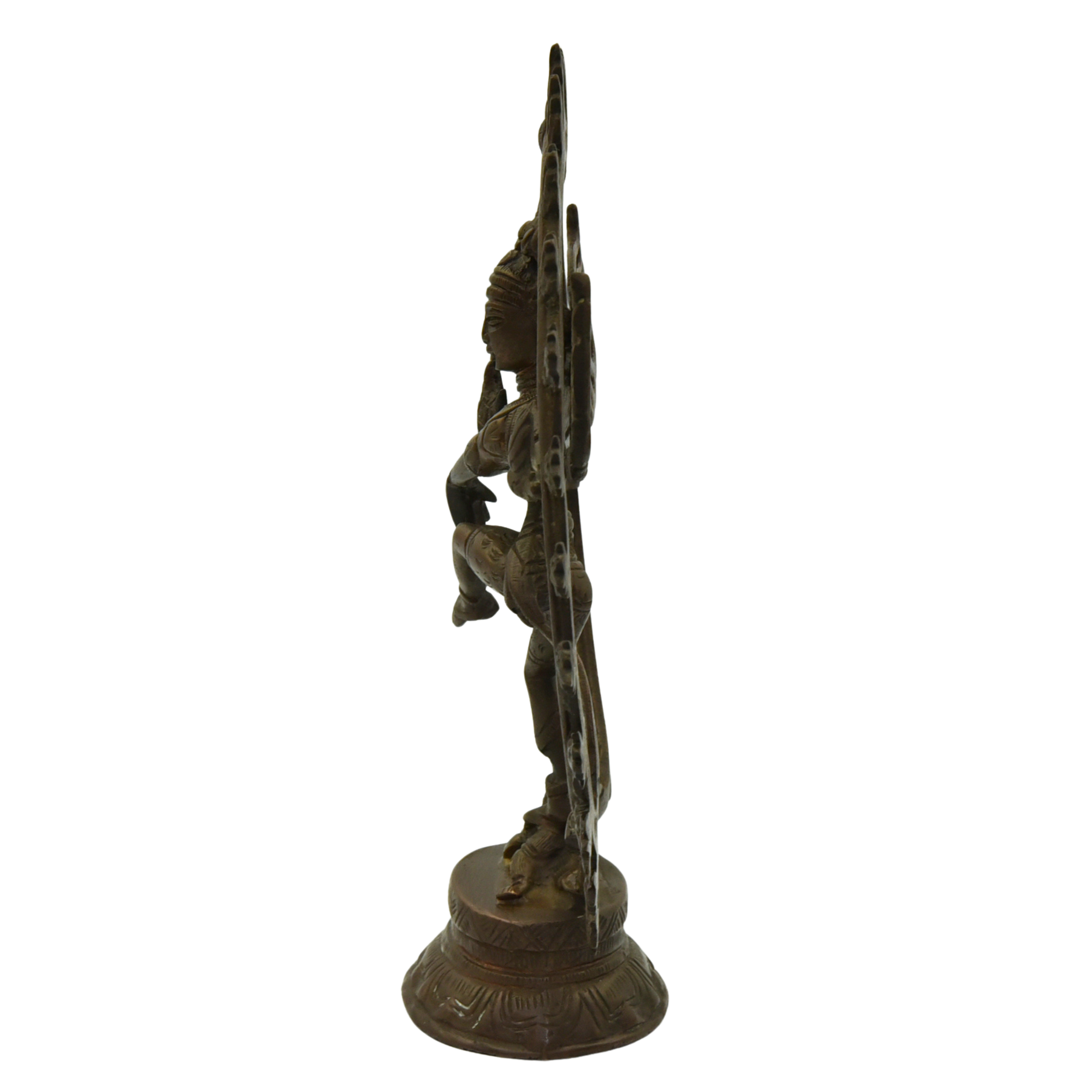
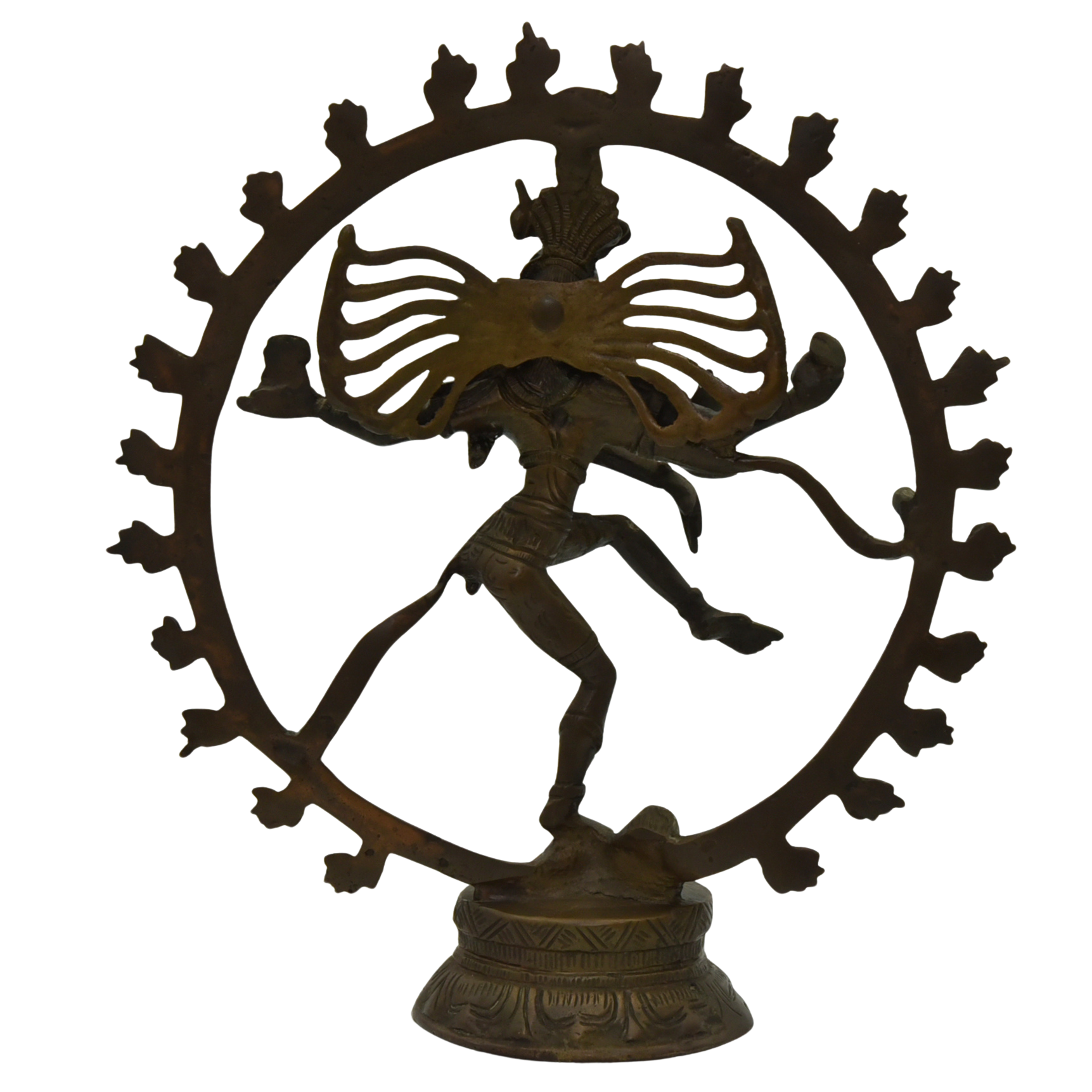
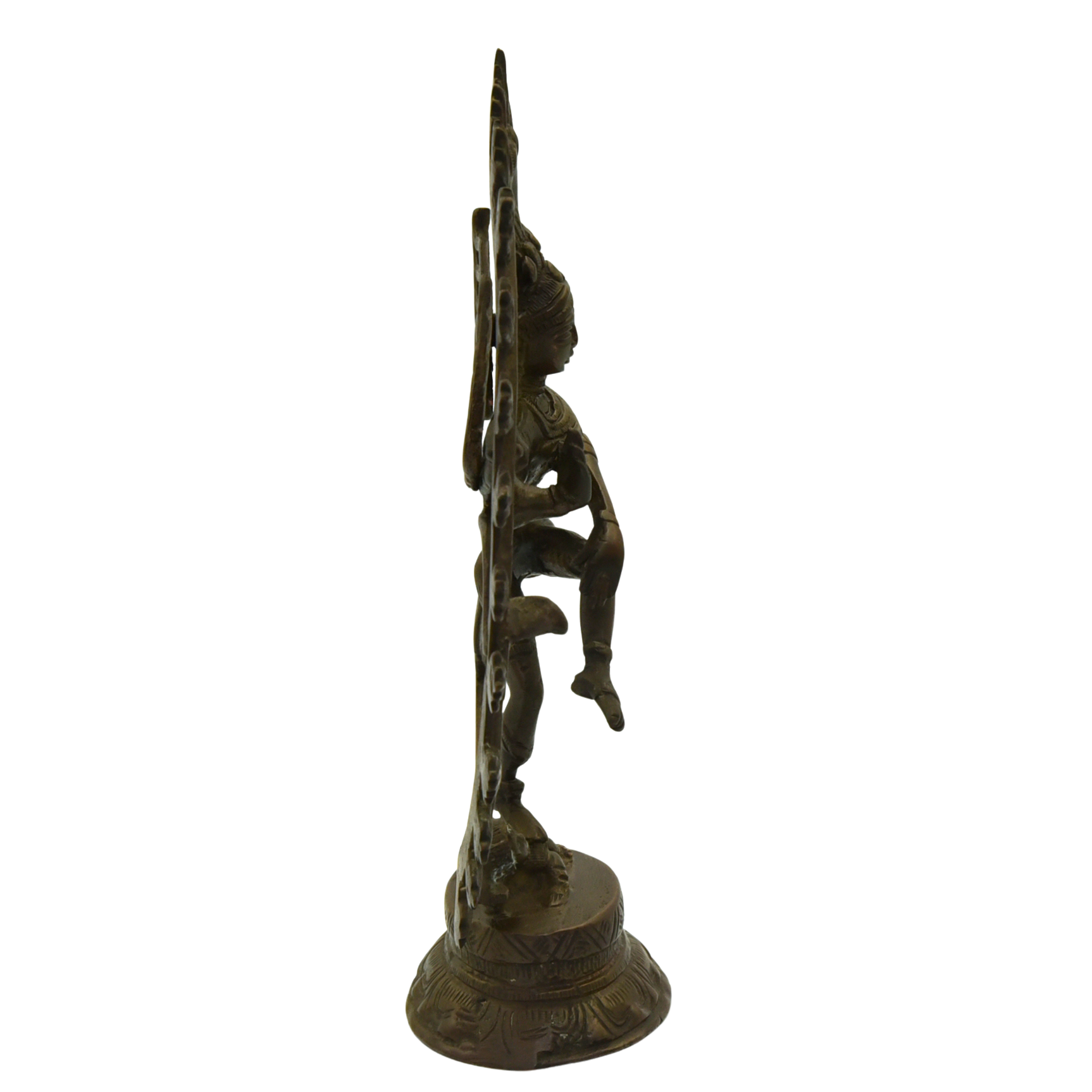
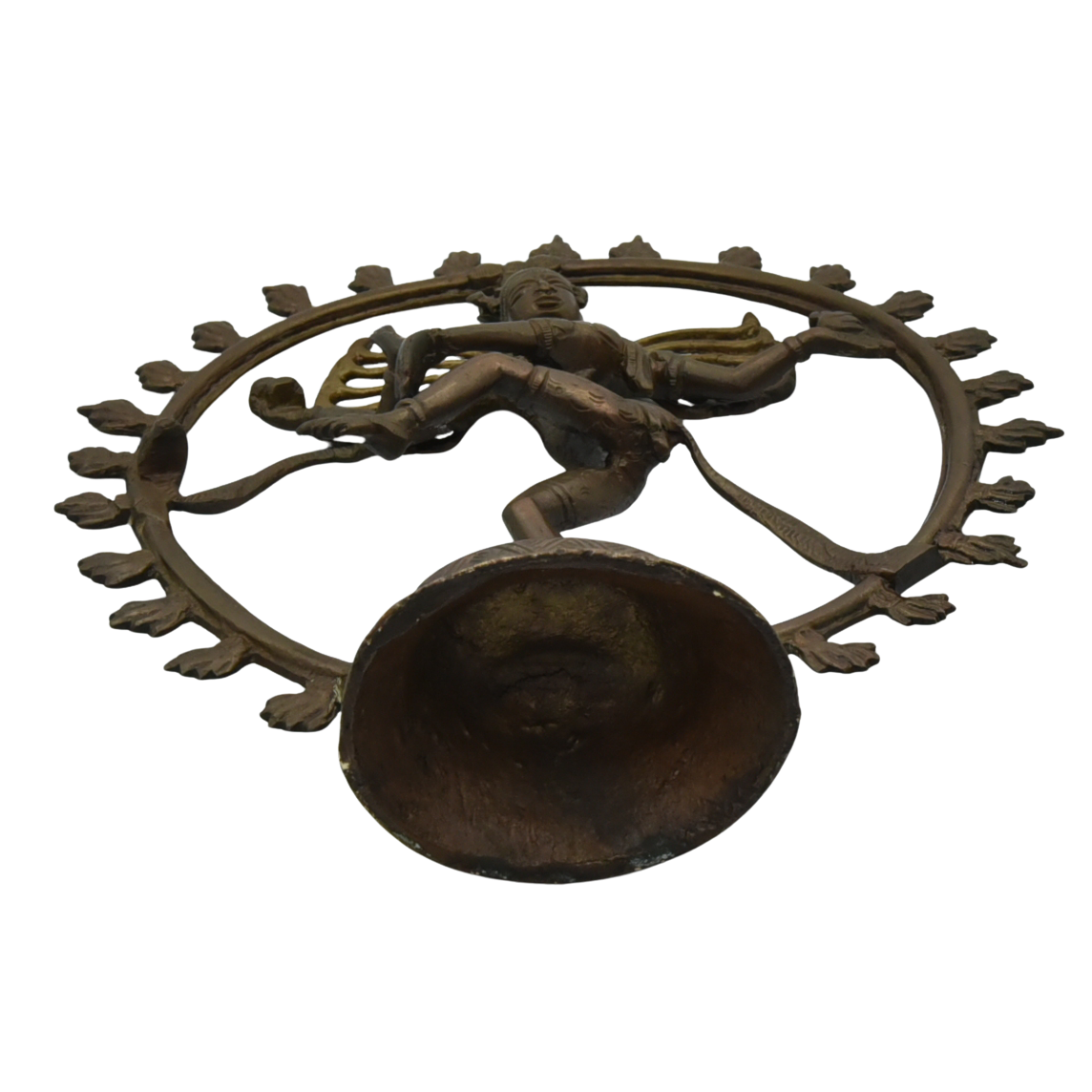
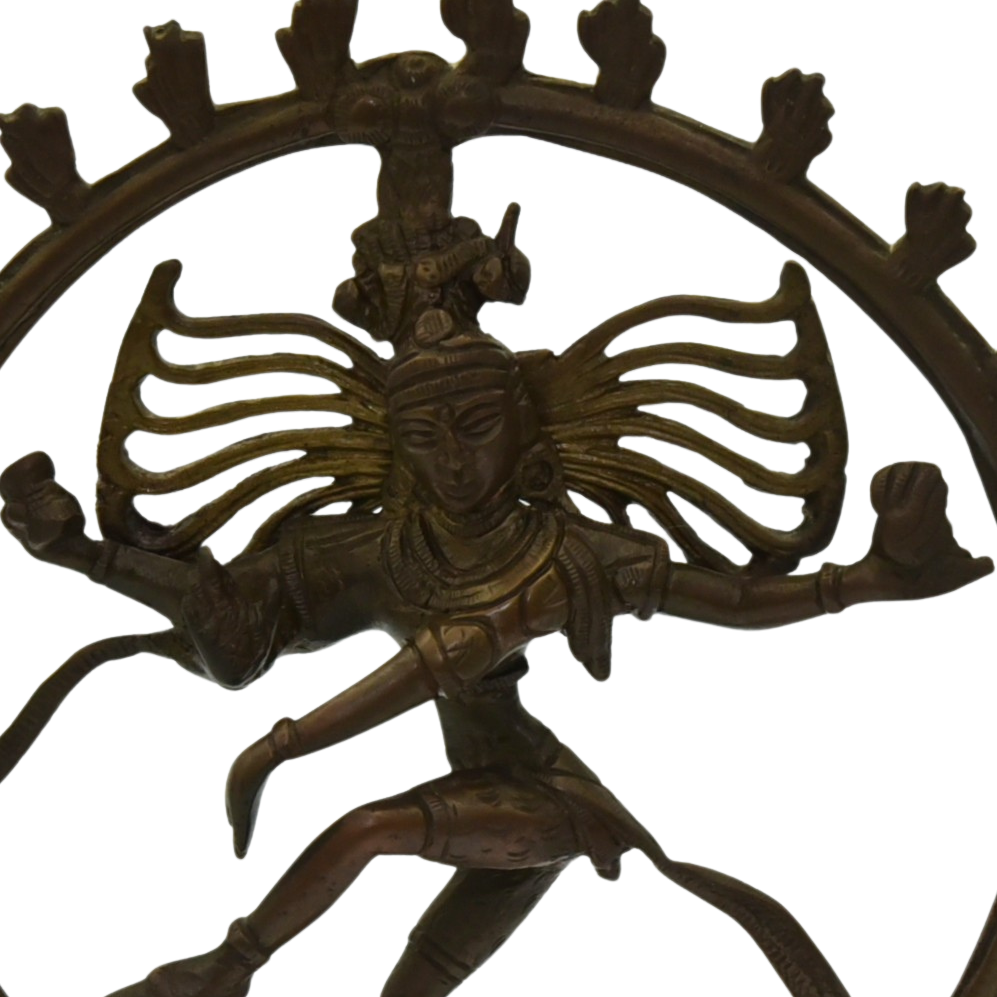
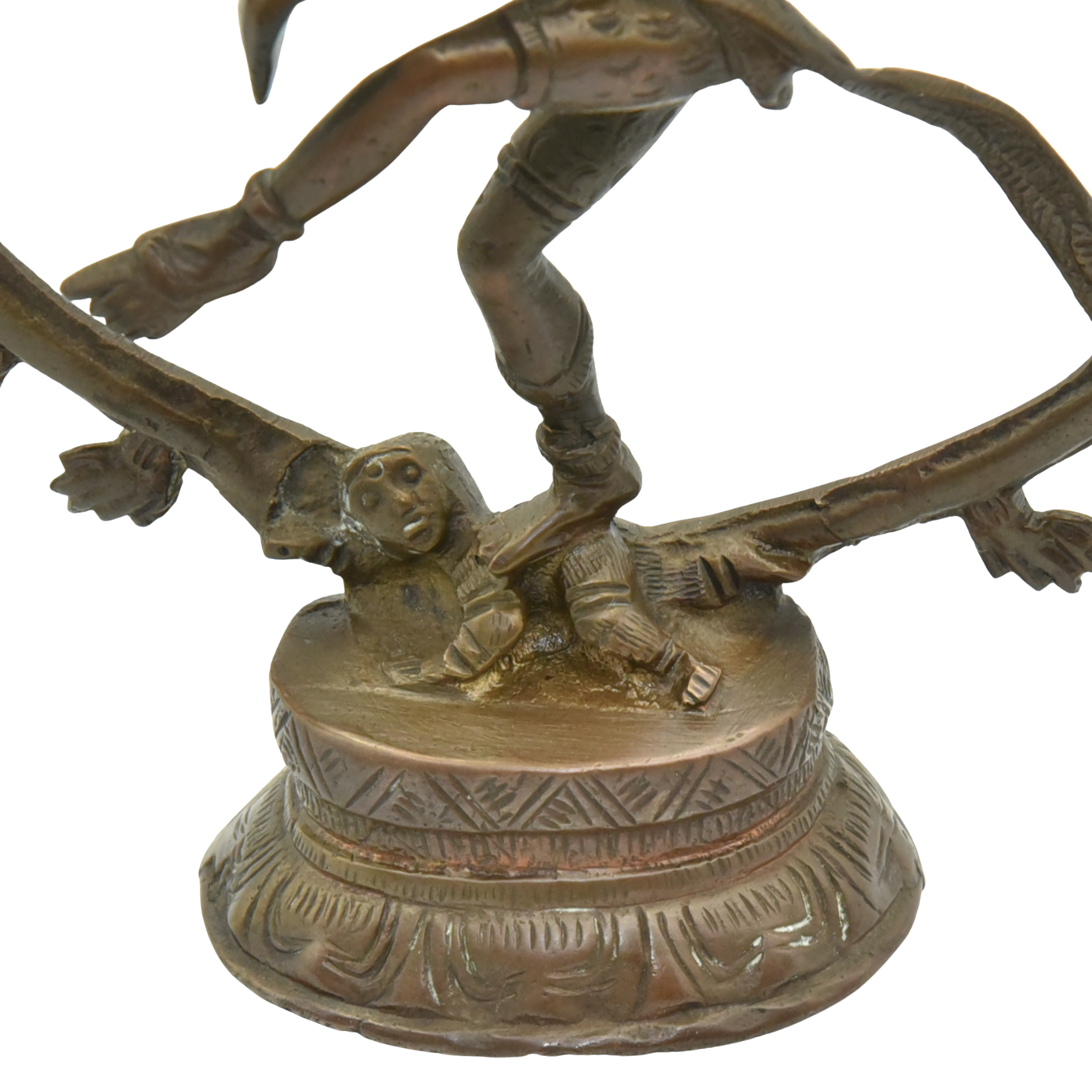
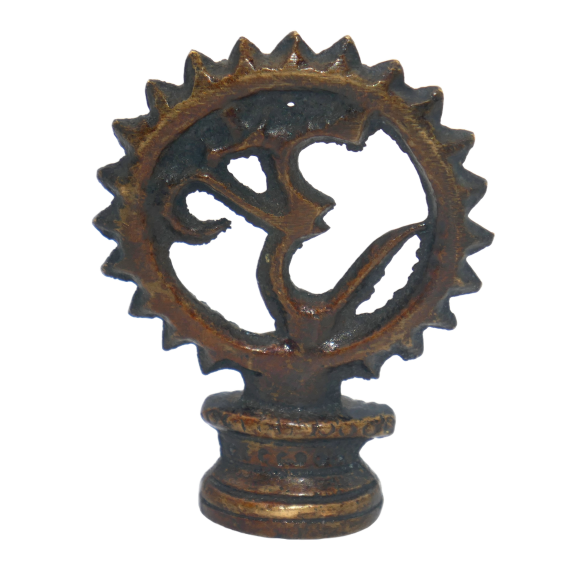
This hand cast bronze statue depicts Brahma, the Hindu god of creation, crafted in a style consistent with Southeast Asian traditions, specifically 18th-century Cambodian Khmer (Bayon style). Within the Hindu trinity (Trimurti), Brahma serves as the Creator, while Vishnu is the Preserver and Shiva is the Destroyer. He also holds a significant place in Buddhist traditions as a protector deity.
The seated posture, intricate headdress, and "Bayon" styling are hallmarks of Cambodian art from this period. This style is noted for its fusion of Hindu and Khmer artistry, resulting in a serene yet powerful aesthetic.
Brahma is typically depicted with four faces (Chaturmukha) facing the cardinal directions. These symbolise his omniscience and his role as the fountain of all wisdom. Each face corresponds to one of the four primary scriptures, representing the ultimate source of sacred knowledge:
· East Head: Rigveda
· South Head: Yajurveda
· West Head: Samaveda
· North Head: Atharvaveda
The Symbolism of the Eight Arms
Possessing eight arms represents the divine possessing unlimited, supreme power and cosmic authority. In this sculpture, the hands hold various symbolic items essential to the creative and ritual functions of the deity:
· A Discus (Chakra): Represents the cycle of time and cosmic order.
· A Scepter or Staff (Danda): A symbol of authority and his role as the creator.
· A Spoon or Ladle (Sruk/Sruva): Used in yajna (sacred fire rituals).
· Conch Shell: Representing the primordial sound of existence ("Om").
· A Book of Vedas: Symbolizing the preservation of knowledge.
· A Water Pot (Kamandalu): Representing the cosmic waters from which all creation emerges.
The lower hands convey a complete message of divine grace. The right palm faces upward in the Abhaya Mudra (protection and fearlessness), while the left palm faces down in the Varada Mudra (charity and the granting of boons).
The statue features a detailed necklace carrying deep spiritual symbolism related to the material world. The belt is secured with a flower buckle, specifically the Brahma Kamal (Saussurea obvallata), symbolising purity and the creative energy of the universe.
Date: 18th century
Geography: Cambodia
Dimensions:21.5cm H x 10cm L x 9cm D
Weight: 1.854kg
Material: Bronze
Condition: This authentic piece shows visible signs of age. There are several small casting holes and structural pits alongside areas of natural surface oxidation (patina), which enhance its historical character.
Brahma
This hand cast bronze statue depicts Brahma, the Hindu god of creation, crafted in a style consistent with Southeast Asian traditions, specifically 18th-century Cambodian Khmer (Bayon style). Within the Hindu trinity (Trimurti), Brahma serves as the Creator, while Vishnu is the Preserver and Shiva is the Destroyer. He also holds a significant place in Buddhist traditions as a protector deity.
The seated posture, intricate headdress, and "Bayon" styling are hallmarks of Cambodian art from this period. This style is noted for its fusion of Hindu and Khmer artistry, resulting in a serene yet powerful aesthetic.
Brahma is typically depicted with four faces (Chaturmukha) facing the cardinal directions. These symbolise his omniscience and his role as the fountain of all wisdom. Each face corresponds to one of the four primary scriptures, representing the ultimate source of sacred knowledge:
· East Head: Rigveda
· South Head: Yajurveda
· West Head: Samaveda
· North Head: Atharvaveda
The Symbolism of the Eight Arms
Possessing eight arms represents the divine possessing unlimited, supreme power and cosmic authority. In this sculpture, the hands hold various symbolic items essential to the creative and ritual functions of the deity:
· A Discus (Chakra): Represents the cycle of time and cosmic order.
· A Scepter or Staff (Danda): A symbol of authority and his role as the creator.
· A Spoon or Ladle (Sruk/Sruva): Used in yajna (sacred fire rituals).
· Conch Shell: Representing the primordial sound of existence ("Om").
· A Book of Vedas: Symbolizing the preservation of knowledge.
· A Water Pot (Kamandalu): Representing the cosmic waters from which all creation emerges.
The lower hands convey a complete message of divine grace. The right palm faces upward in the Abhaya Mudra (protection and fearlessness), while the left palm faces down in the Varada Mudra (charity and the granting of boons).
The statue features a detailed necklace carrying deep spiritual symbolism related to the material world. The belt is secured with a flower buckle, specifically the Brahma Kamal (Saussurea obvallata), symbolising purity and the creative energy of the universe.


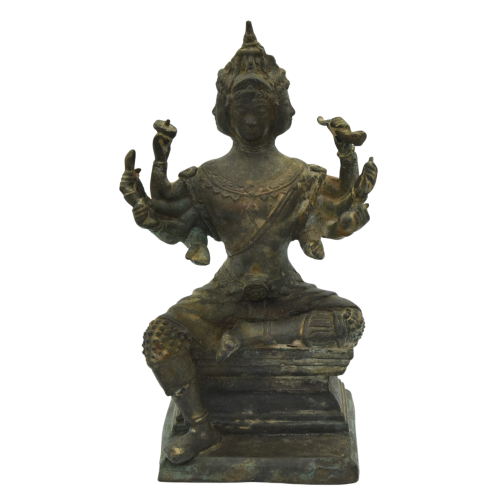 Image 1 of 10
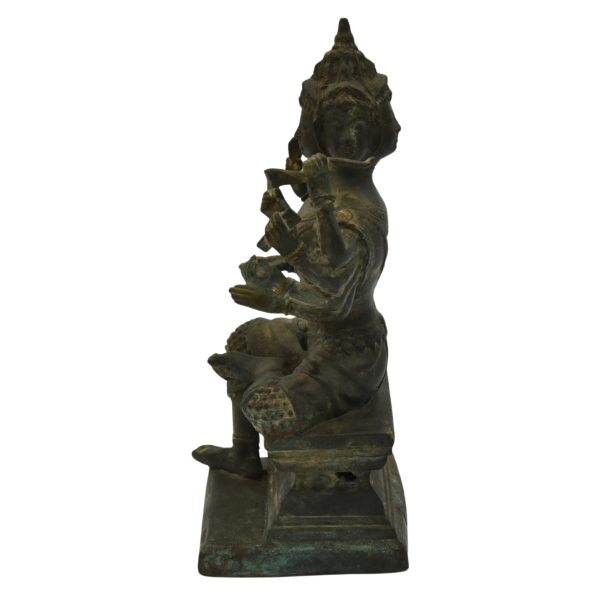 Image 2 of 10
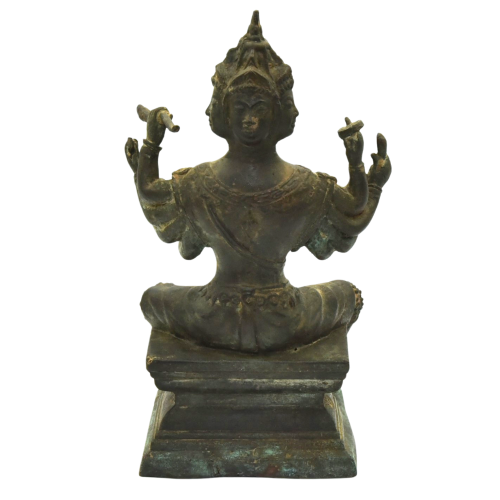 Image 3 of 10
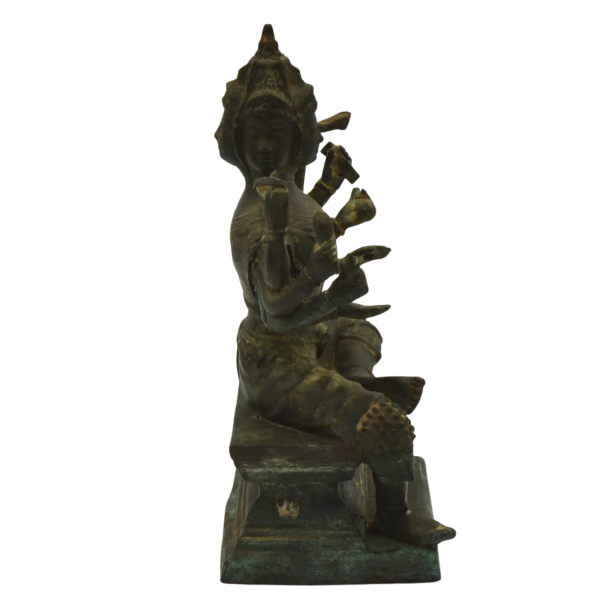 Image 4 of 10
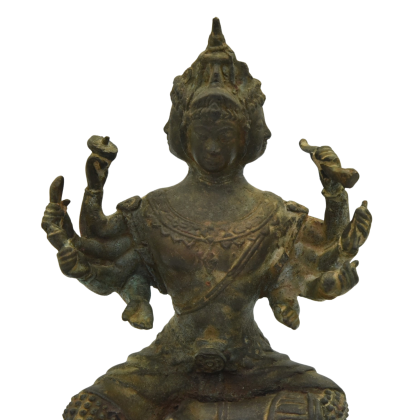 Image 5 of 10
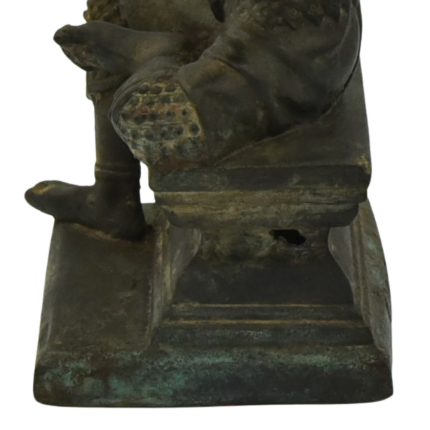 Image 6 of 10
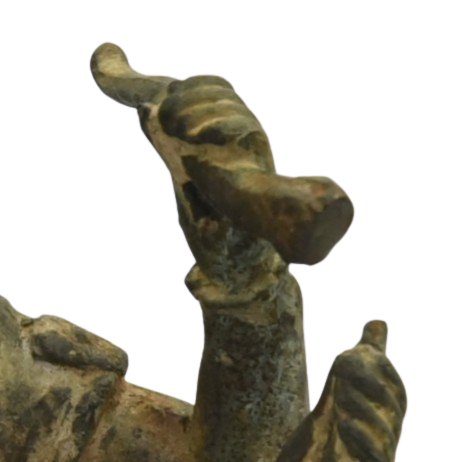 Image 7 of 10
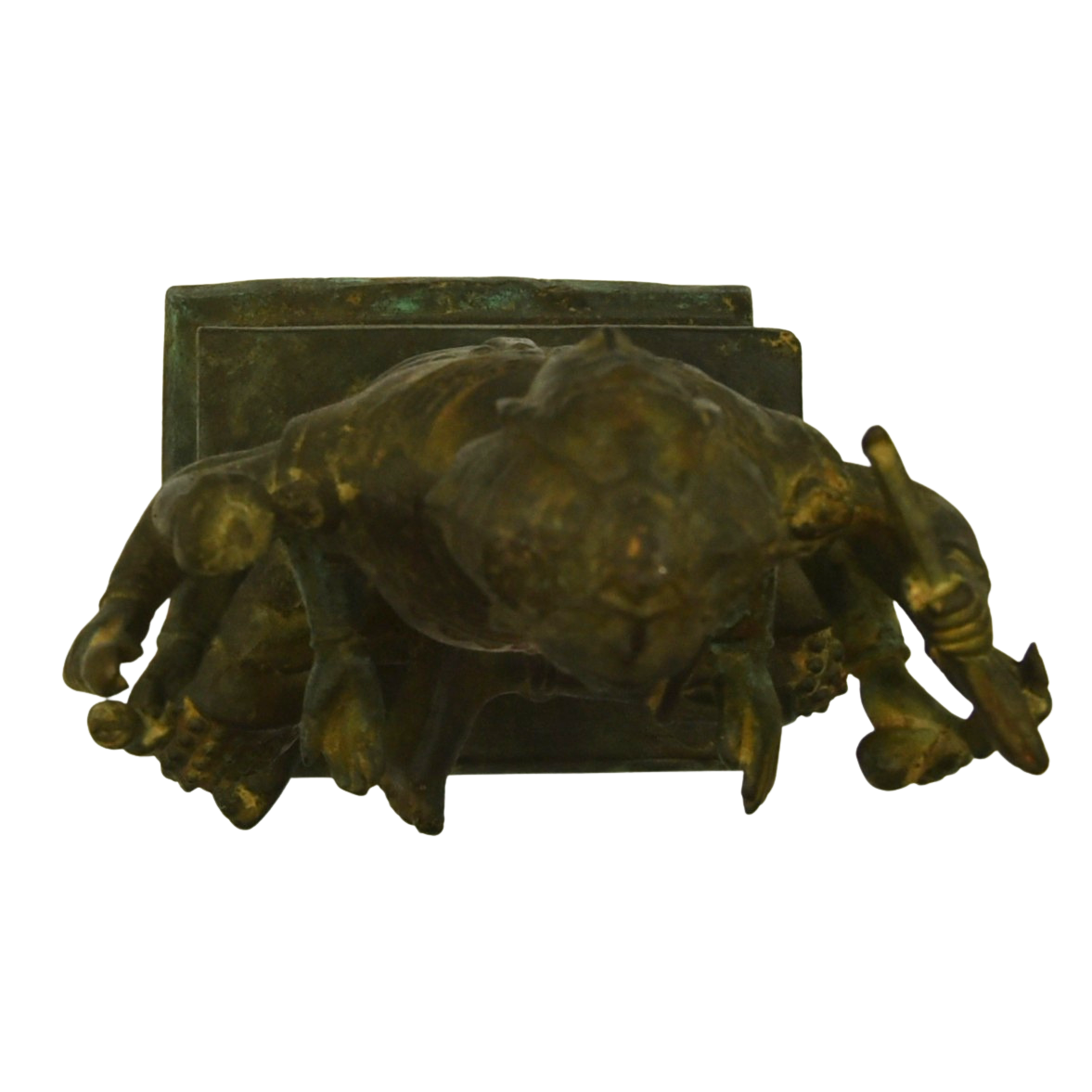 Image 8 of 10
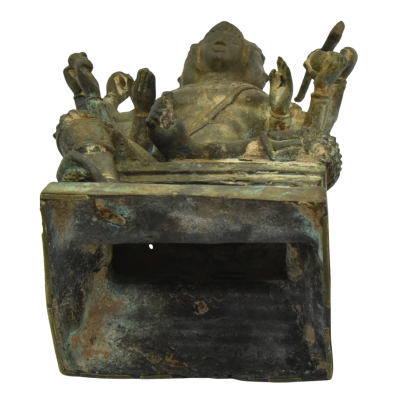 Image 9 of 10
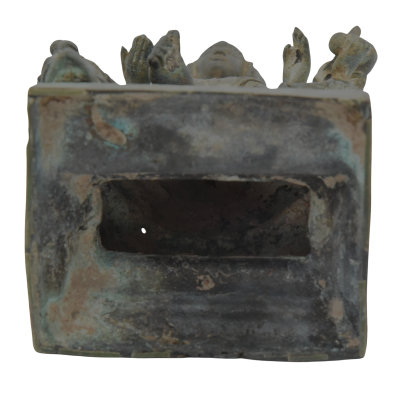 Image 10 of 10