Date: 19th century
Geography: India
Dimensions: 22cm H 19cm W x 6cm D
Weight: 746g
Material: bronze
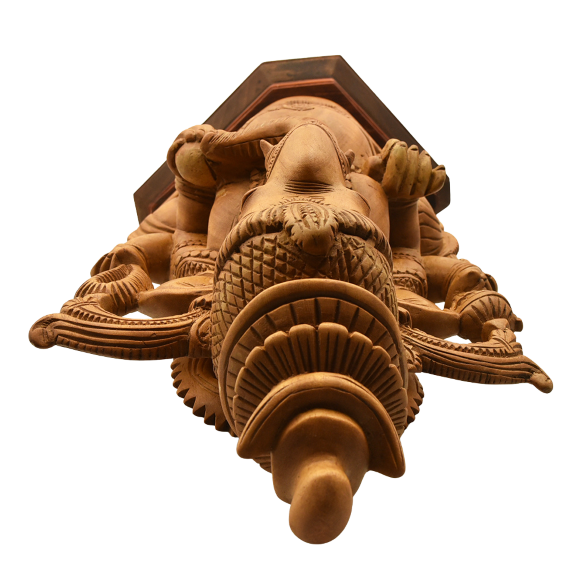
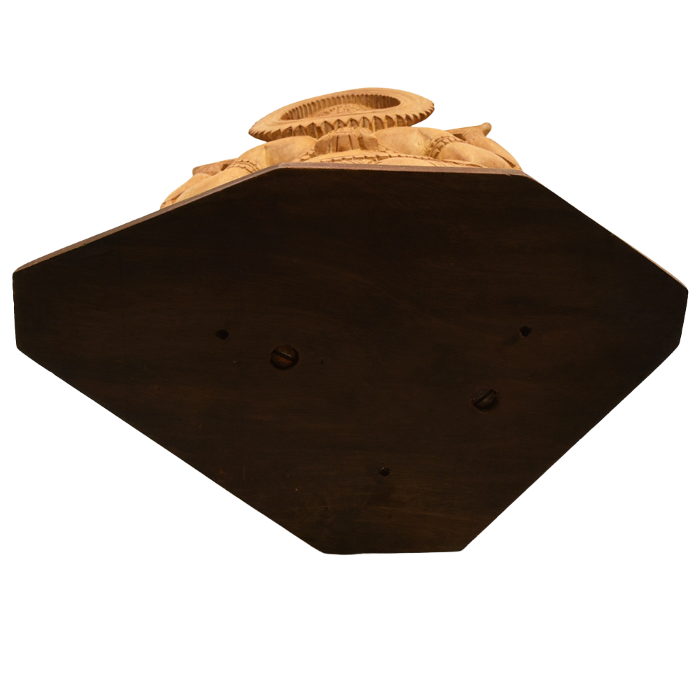
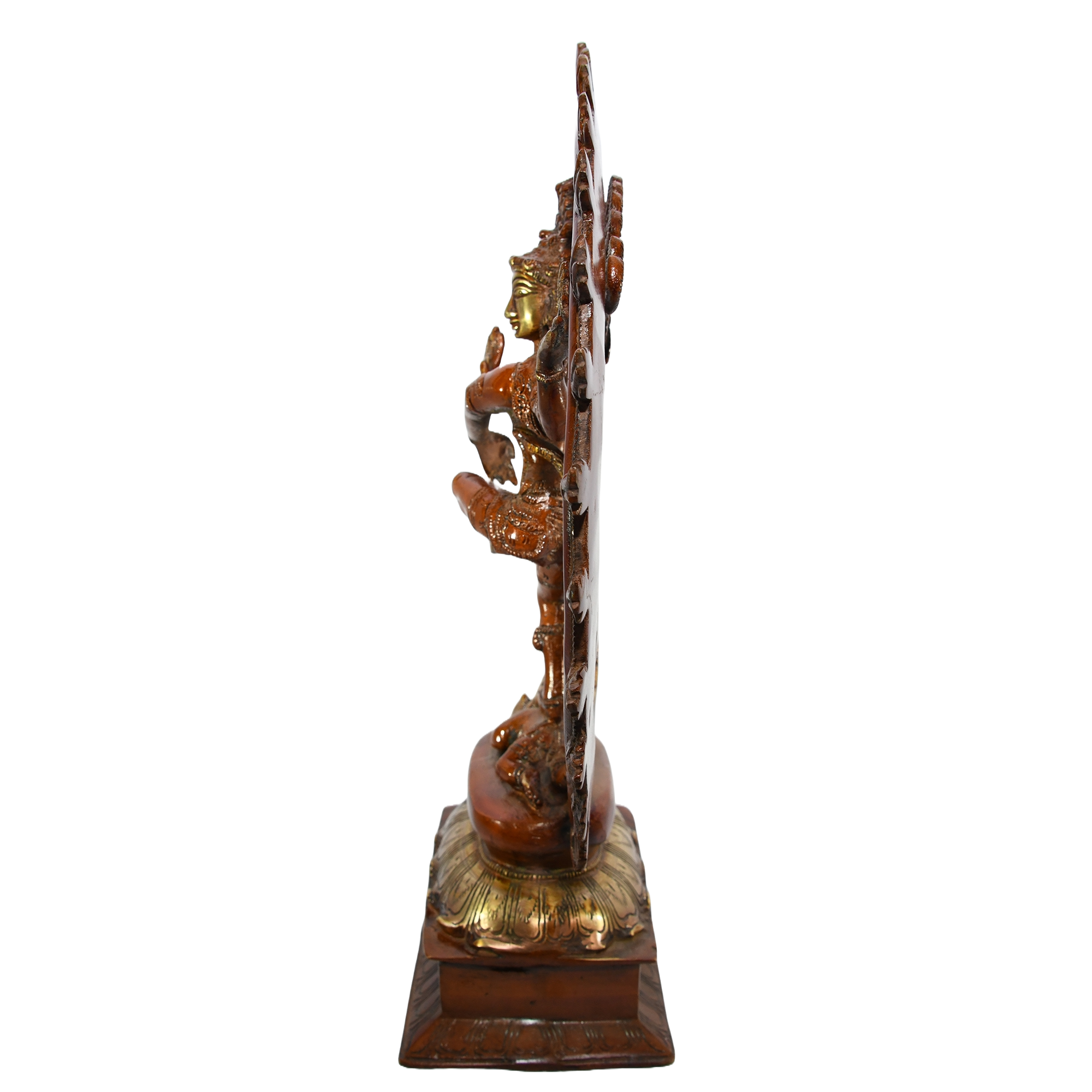
Condition: good for its age leans forward see photos
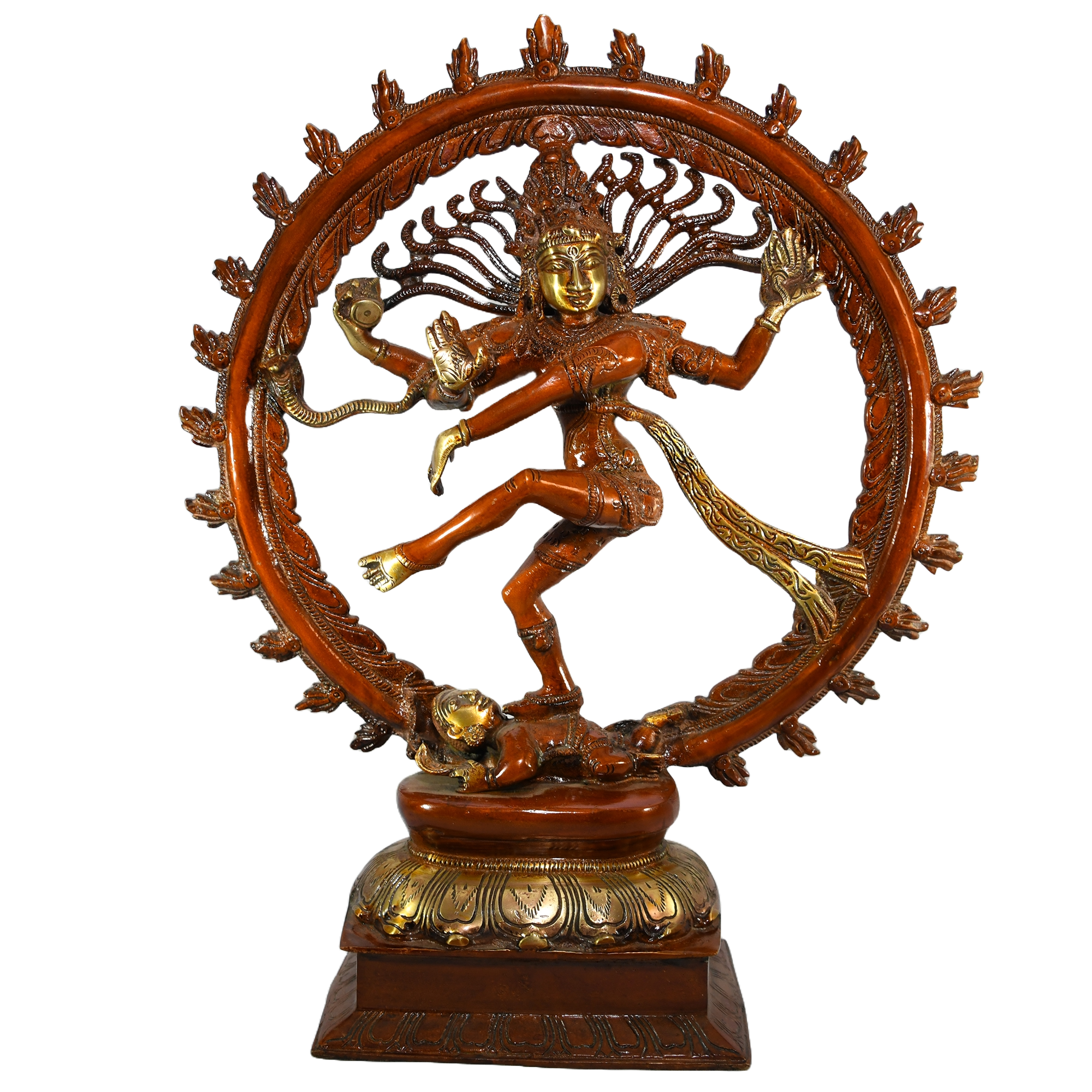
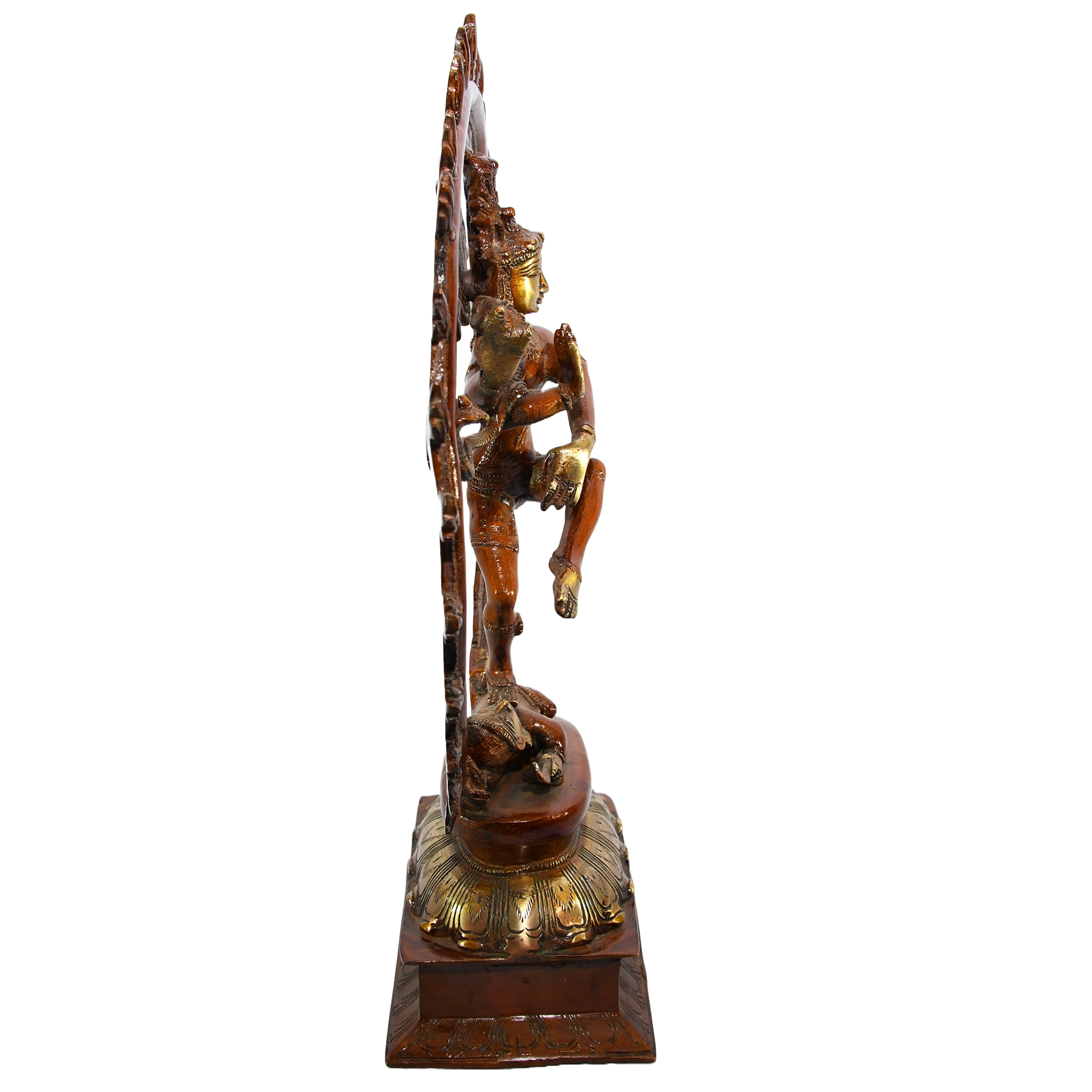
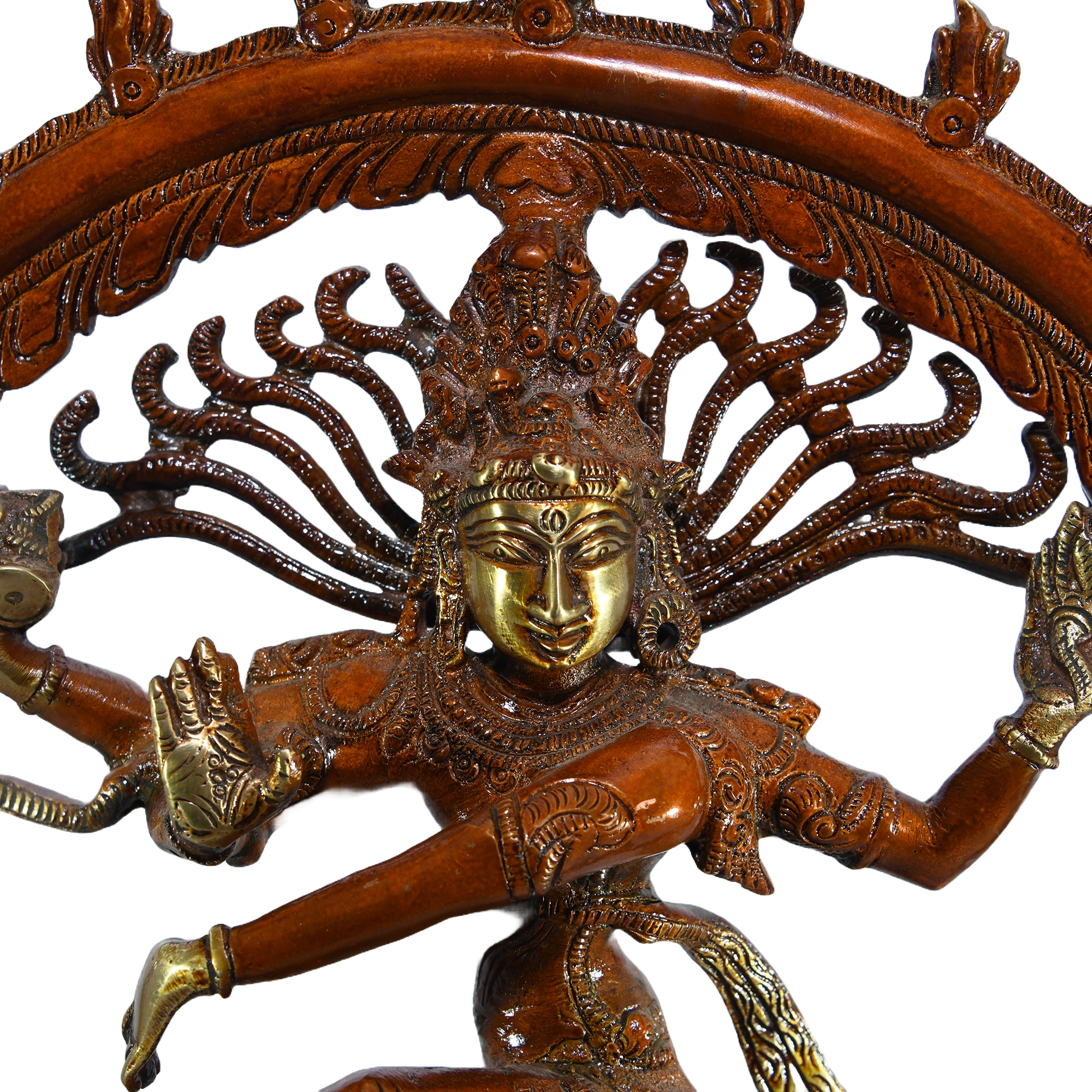
This hand-cast bronze statue depicts Shiva as Nataraja, the Lord of the Dance. The figure is captured in a cosmic dance within a circular frame, representing the continuous cycle of time and the universe.
Key Iconography
Upper Right Hand: Holds the damaru (hourglass-shaped drum), representing the sound of creation.
Upper Left Hand: Carries agni (fire), symbolising the eventual destruction and dissolution of the cosmos.
Lower Right Hand: Raised in the abhayamudra gesture, signifying protection and the removal of fear.
Lower Left Hand: Positioned in the gajahasta (elephant trunk) pose, pointing toward the raised foot to symbolise liberation from ignorance.
The Base: Shiva stands upon the dwarf demon Apasmara (also known as Muyalaka). This figure represents ego, forgetfulness, and spiritual ignorance. The act of trampling the demon signifies the triumph of wisdom over illusion.
Prabha Mandala: The figure is encircled by a ring of flames, representing the entire cosmos and the eternal energy of the divine dance.
This piece was formerly part of the McAllister Collection, curated by Professor J. Gilbert and Cora McAllister. Professor McAllister served as Emeritus Professor in Anthropology at the University of Texas, and the couple was noted for their extensive and scholarly assembly of Asian art
Read more
Date: 19th century
Geography: India
Dimensions: 22cm H 19cm W x 6cm D
Weight: 746g
Material: bronze
Condition: good for its age leans forward see photos
This hand-cast bronze statue depicts Shiva as Nataraja, the Lord of the Dance. The figure is captured in a cosmic dance within a circular frame, representing the continuous cycle of time and the universe.
Key Iconography
Upper Right Hand: Holds the damaru (hourglass-shaped drum), representing the sound of creation.
Upper Left Hand: Carries agni (fire), symbolising the eventual destruction and dissolution of the cosmos.
Lower Right Hand: Raised in the abhayamudra gesture, signifying protection and the removal of fear.
Lower Left Hand: Positioned in the gajahasta (elephant trunk) pose, pointing toward the raised foot to symbolise liberation from ignorance.
The Base: Shiva stands upon the dwarf demon Apasmara (also known as Muyalaka). This figure represents ego, forgetfulness, and spiritual ignorance. The act of trampling the demon signifies the triumph of wisdom over illusion.
Prabha Mandala: The figure is encircled by a ring of flames, representing the entire cosmos and the eternal energy of the divine dance.
This piece was formerly part of the McAllister Collection, curated by Professor J. Gilbert and Cora McAllister. Professor McAllister served as Emeritus Professor in Anthropology at the University of Texas, and the couple was noted for their extensive and scholarly assembly of Asian art
Read more


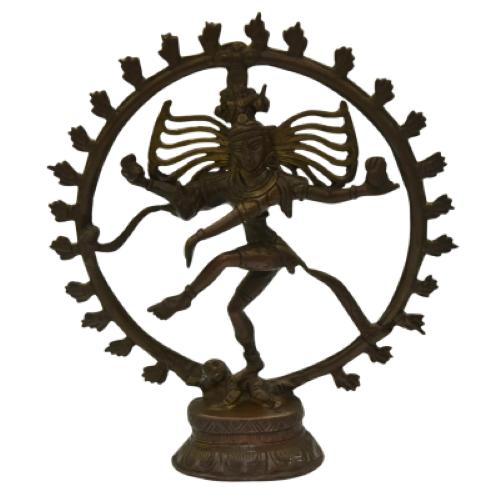 Image 1 of 8
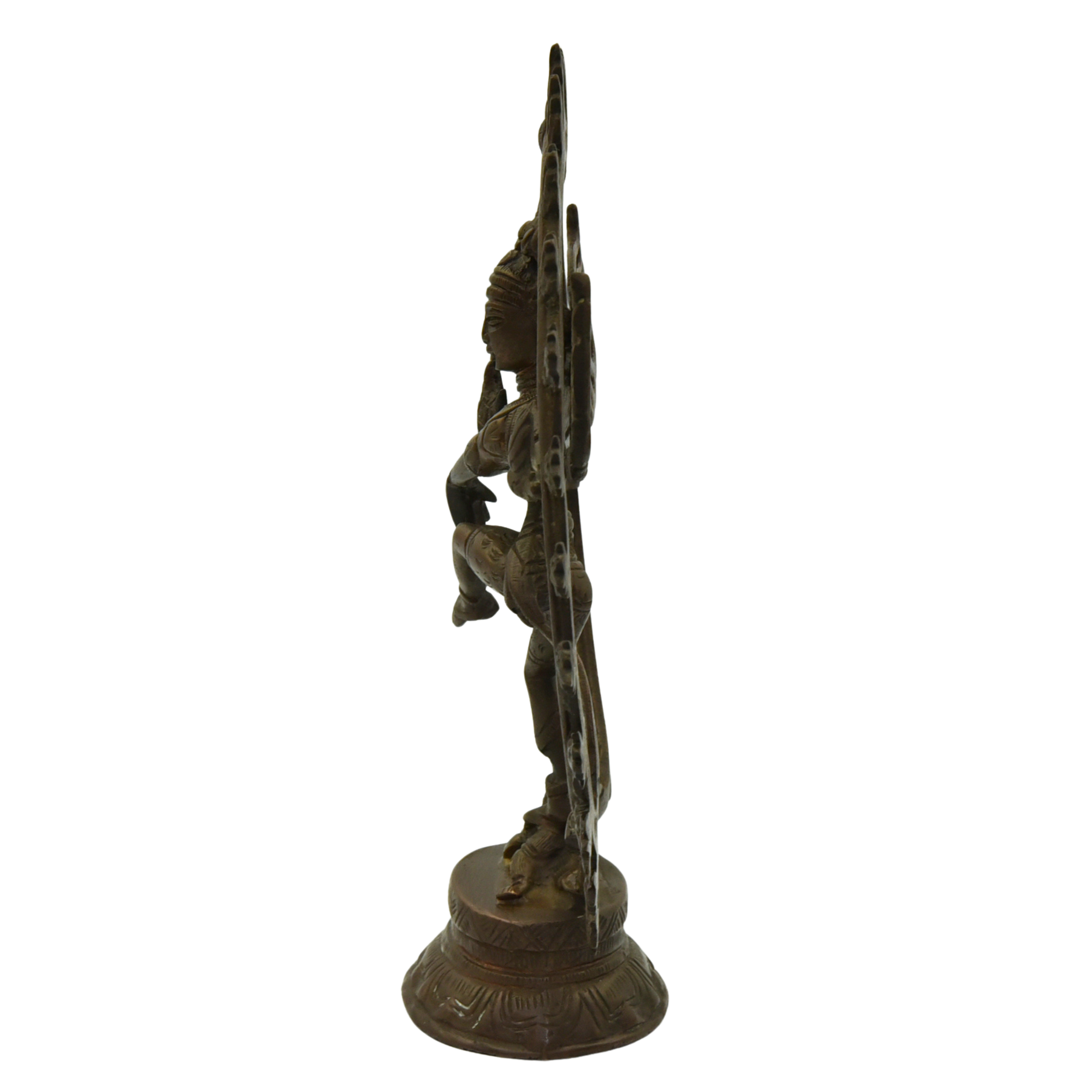 Image 2 of 8
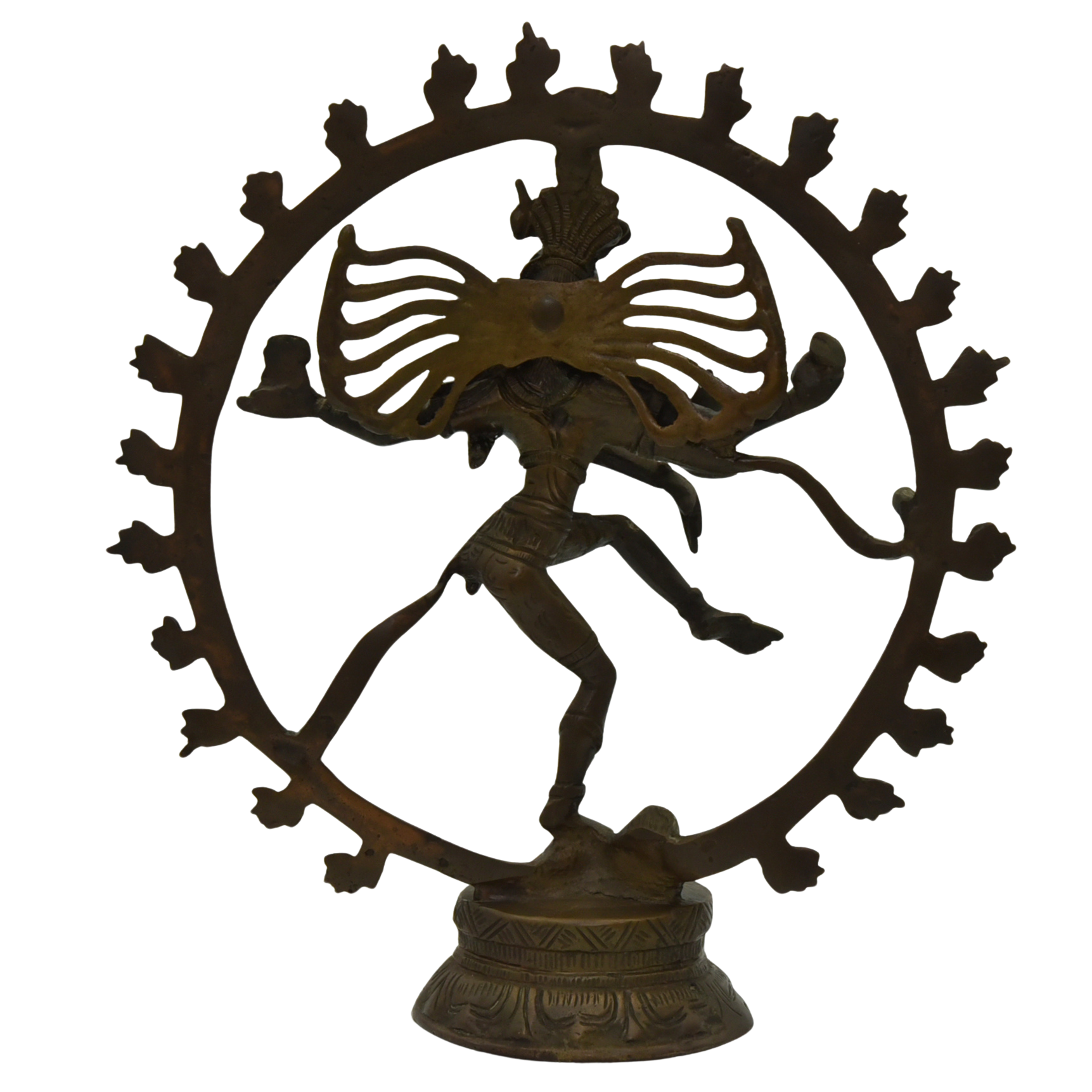 Image 3 of 8
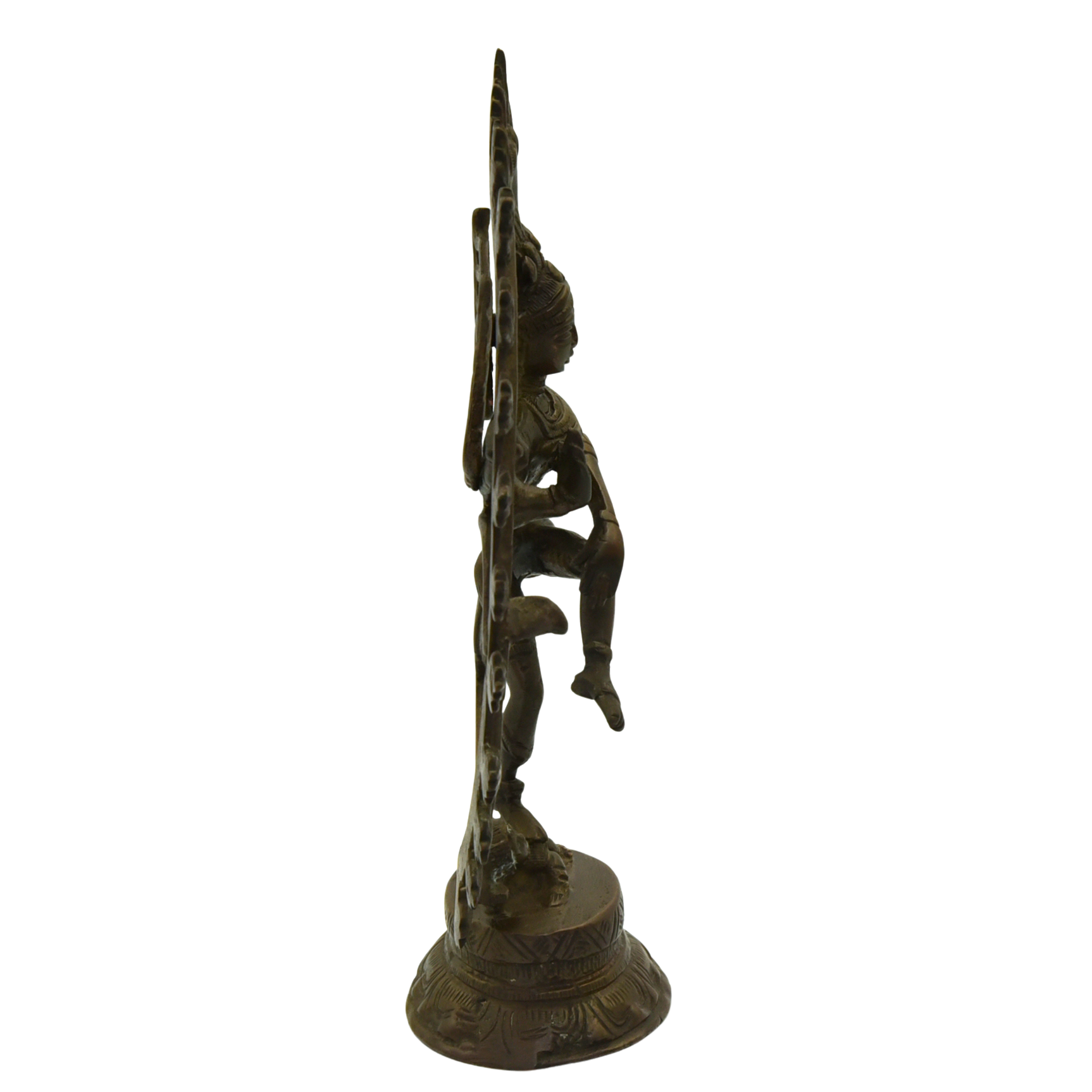 Image 4 of 8
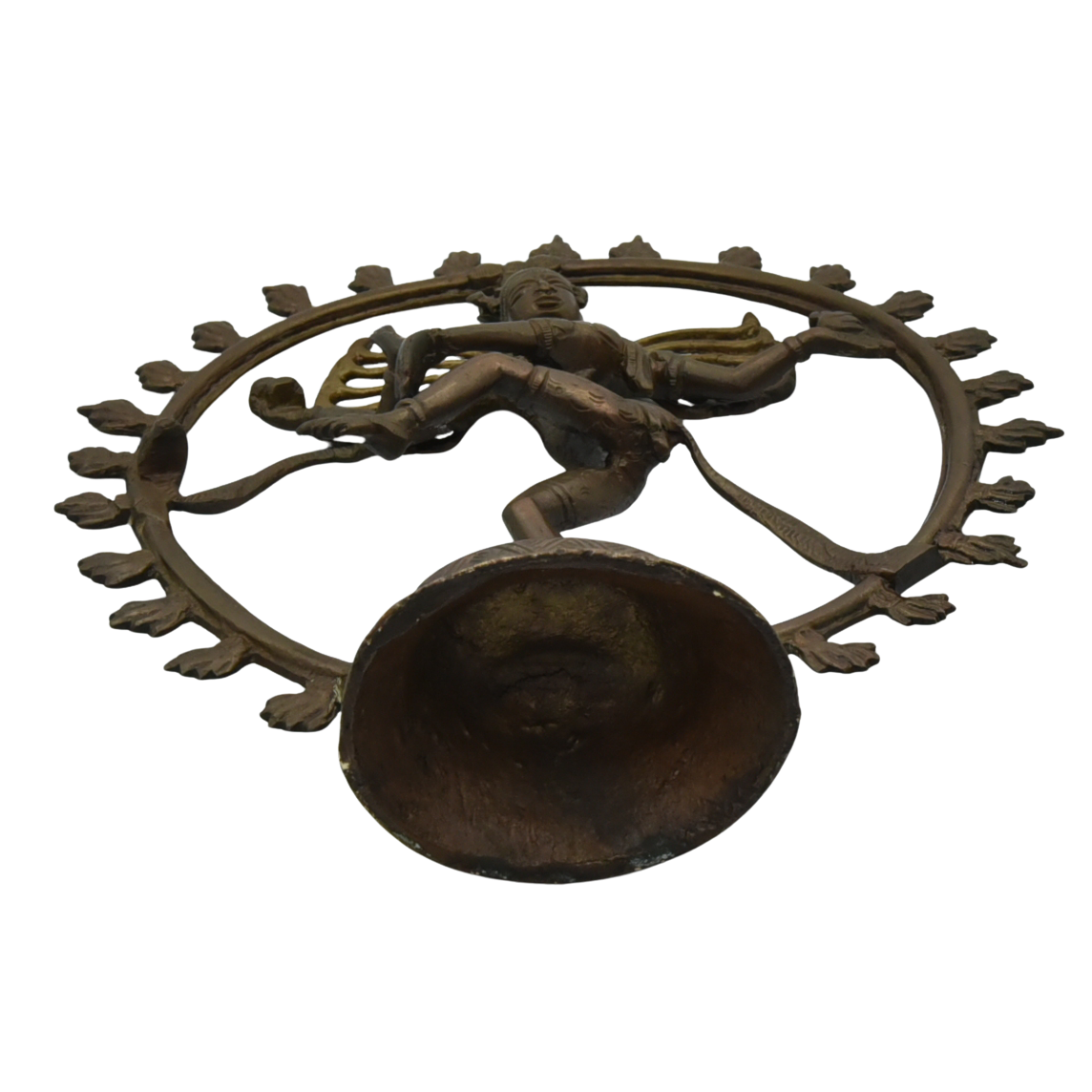 Image 5 of 8
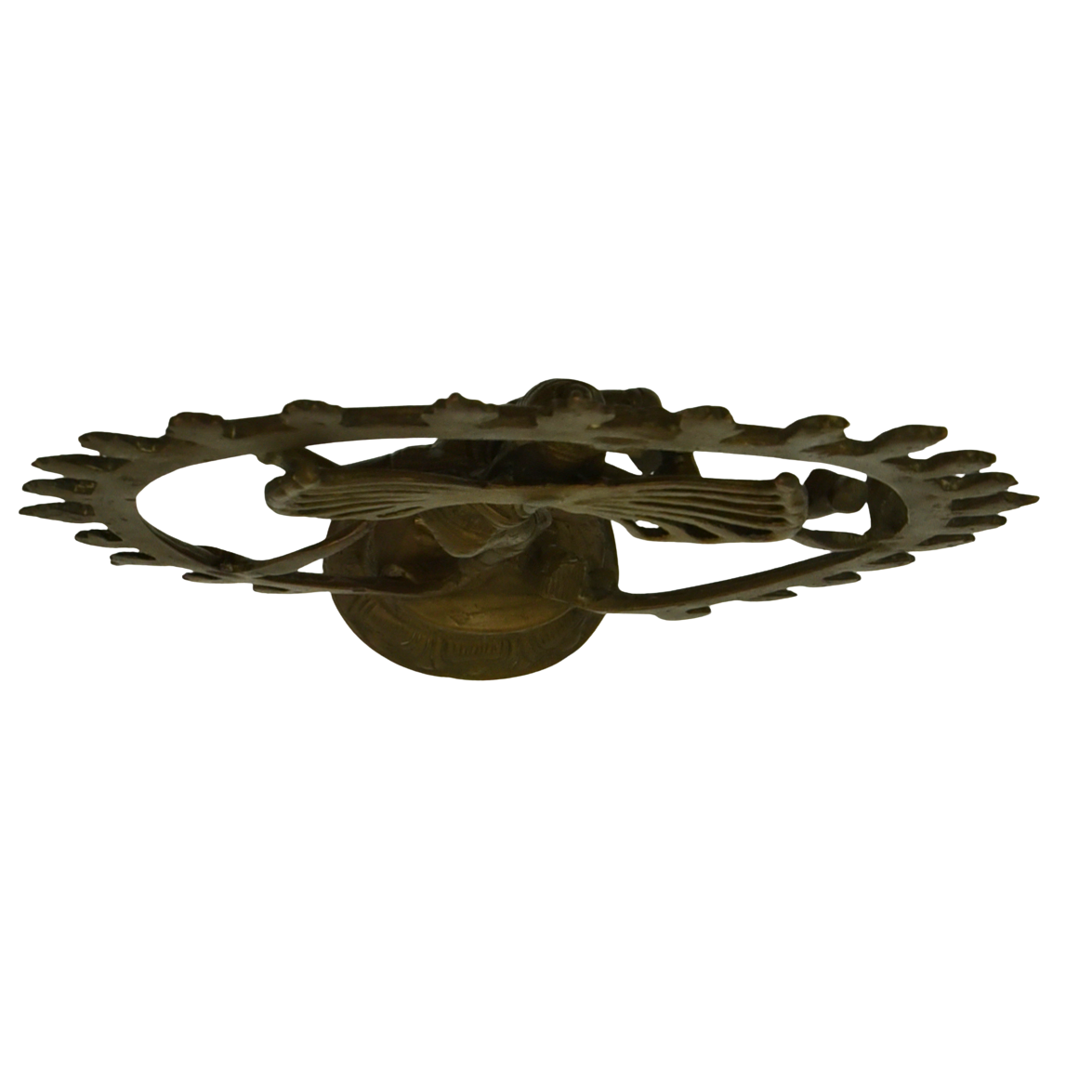 Image 6 of 8
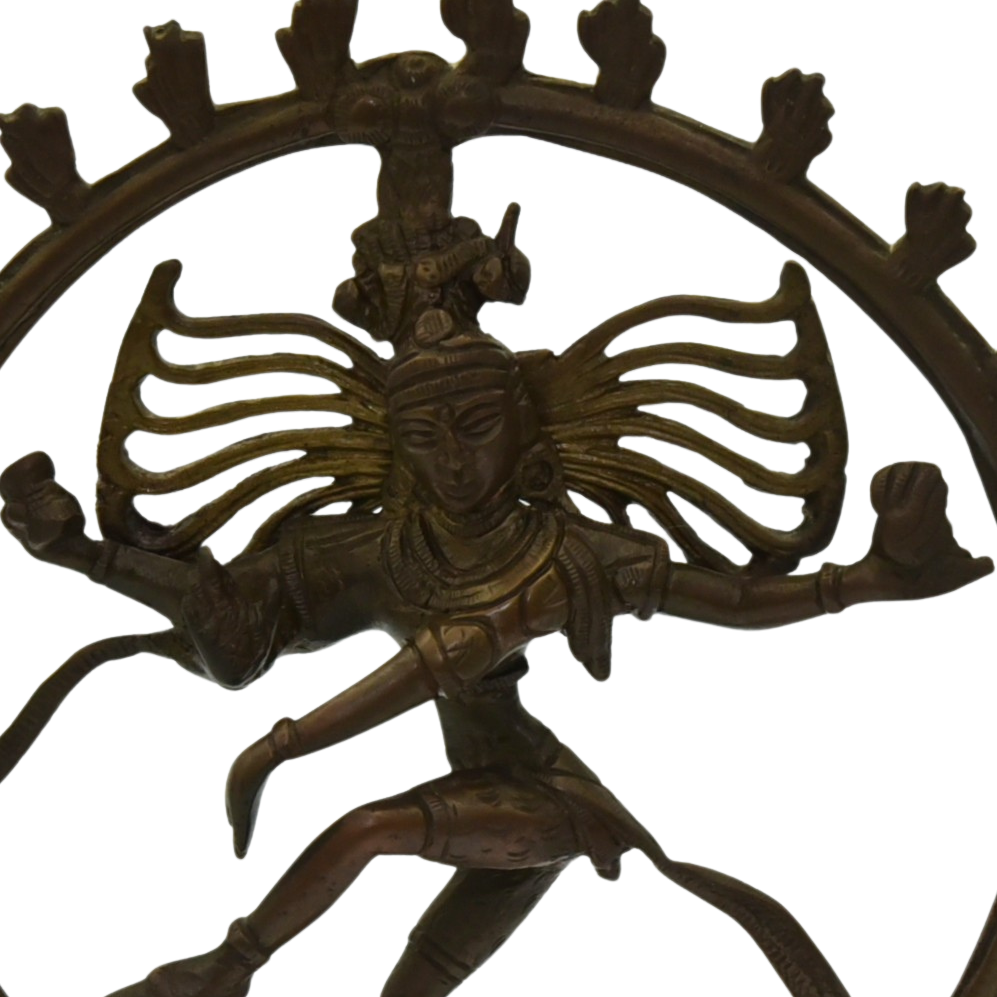 Image 7 of 8
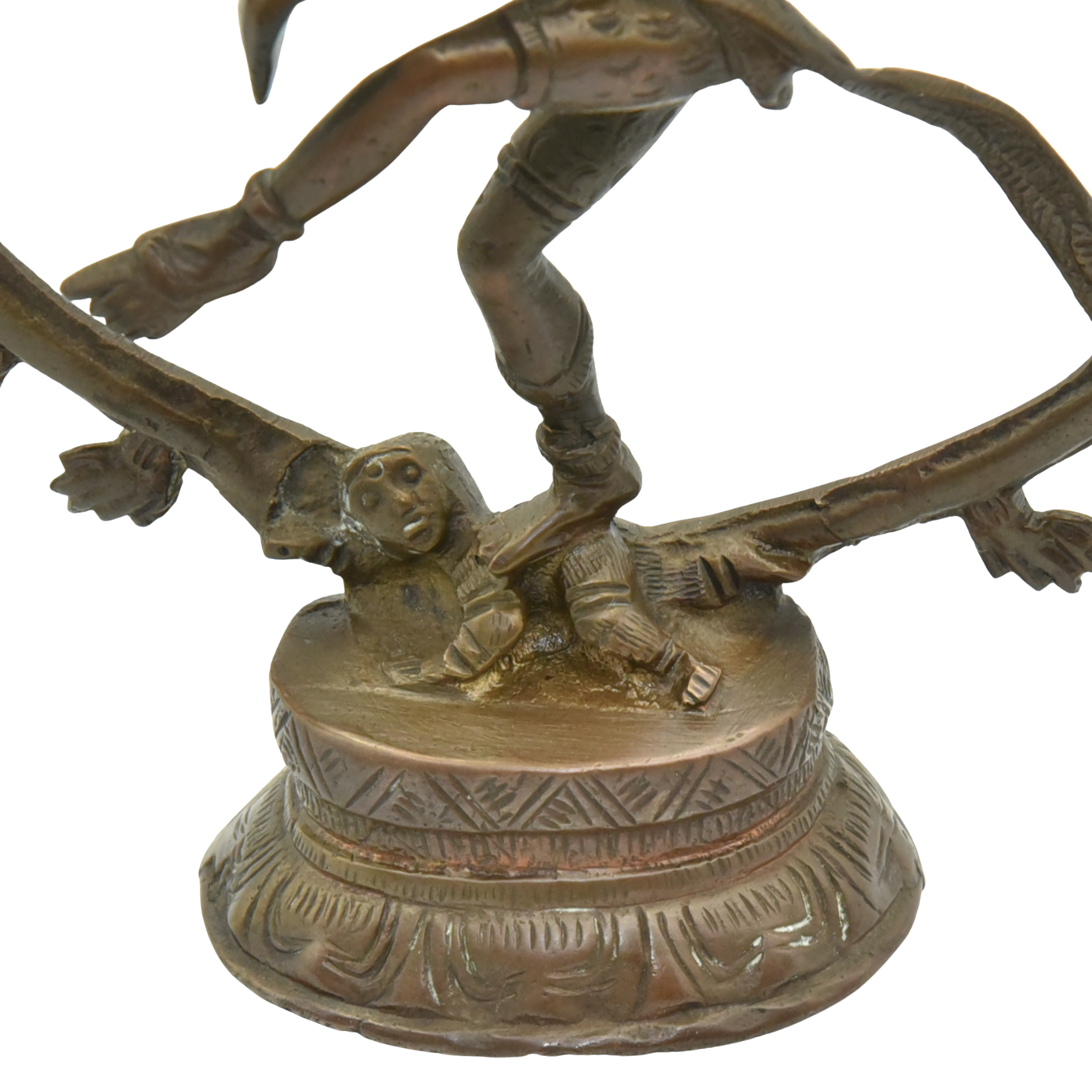 Image 8 of 8