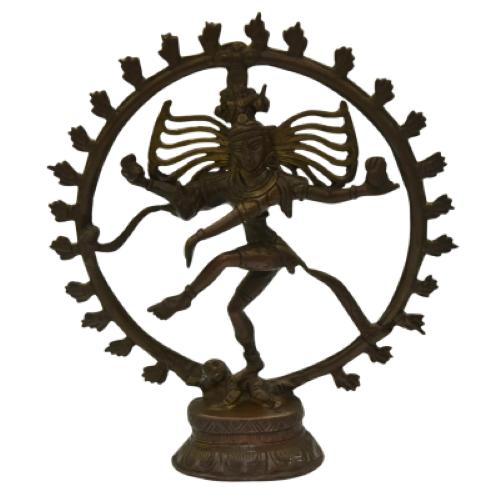
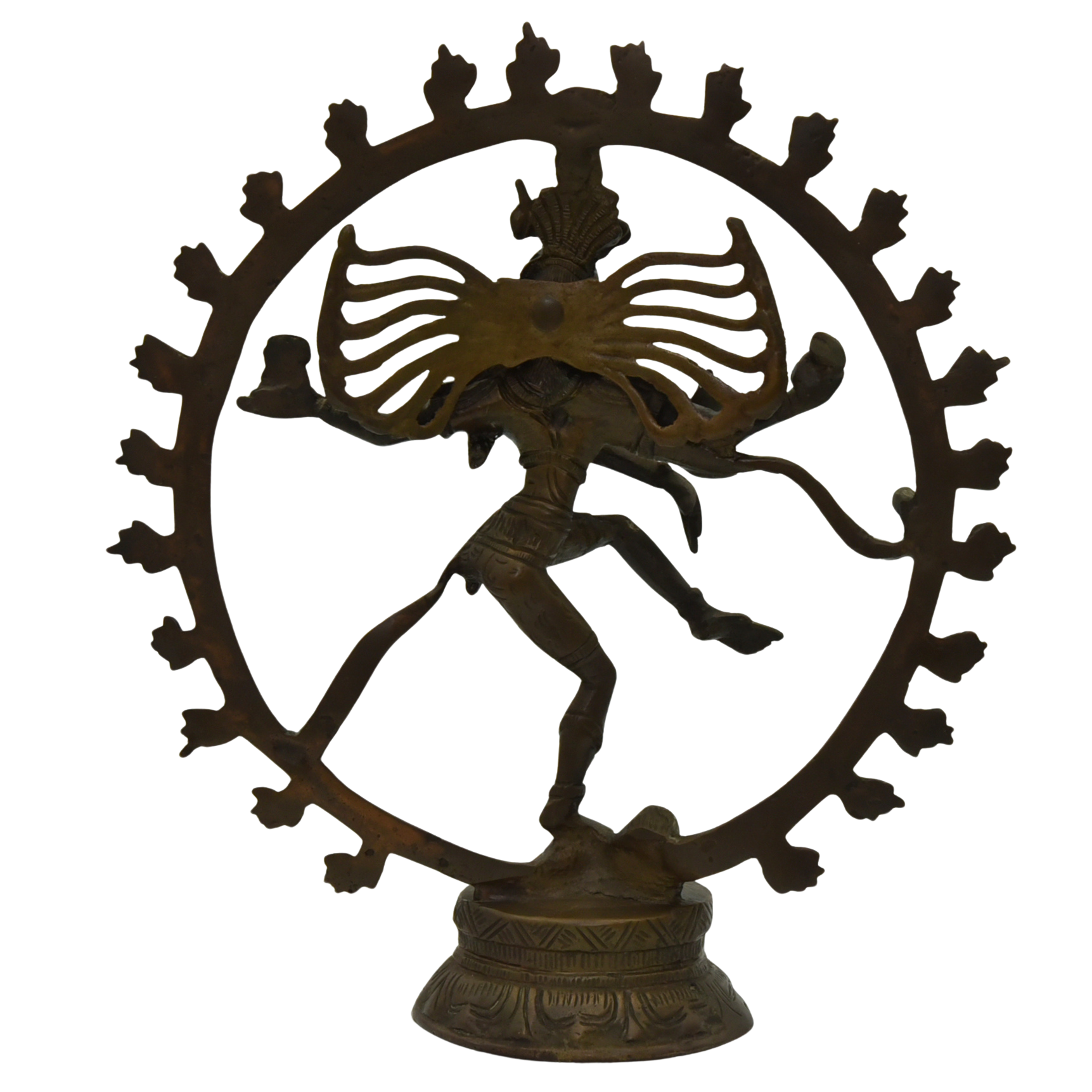
Date: Late 19th to early 20th century
Geography: Tibet
Culture: Tibetan
Dimensions: 40cm H x 18cm L x 11cm W.
Weight 3.116kg
Material: Brass, Zinc
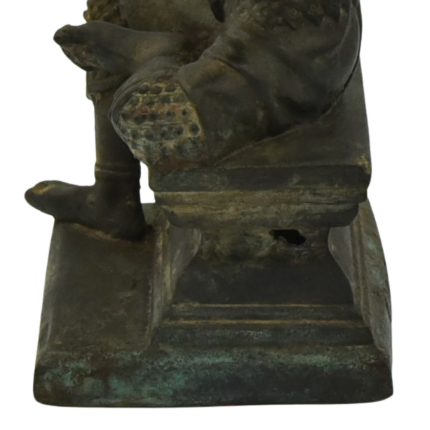
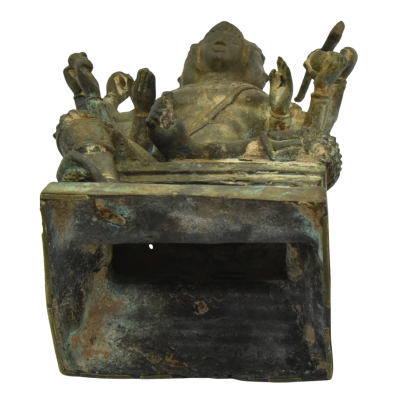
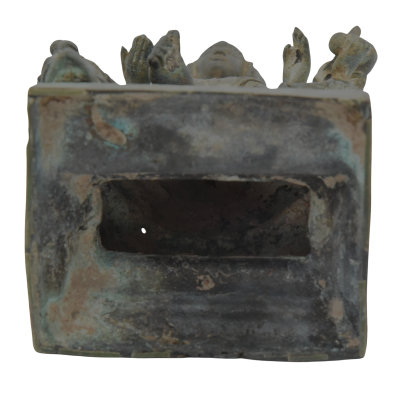
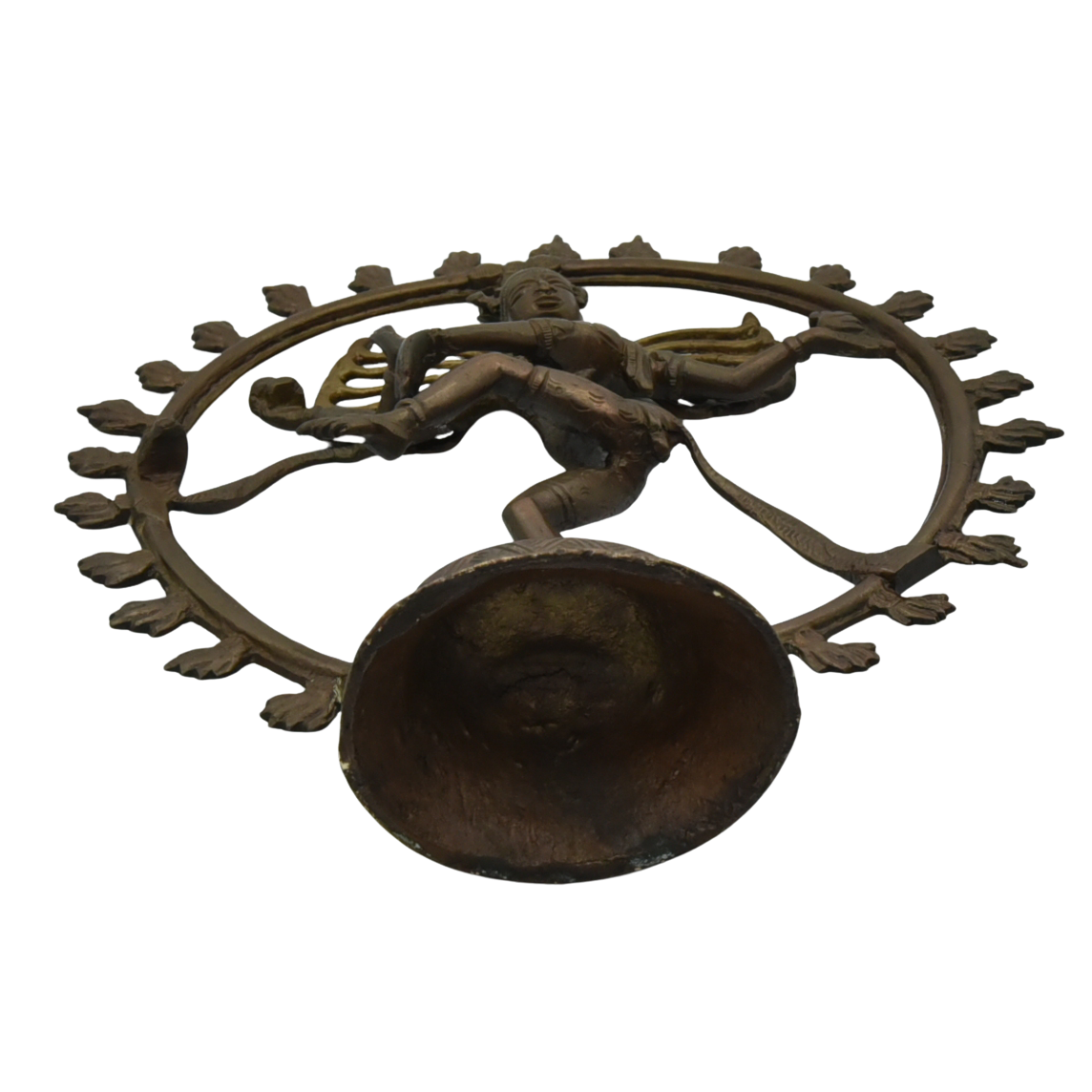
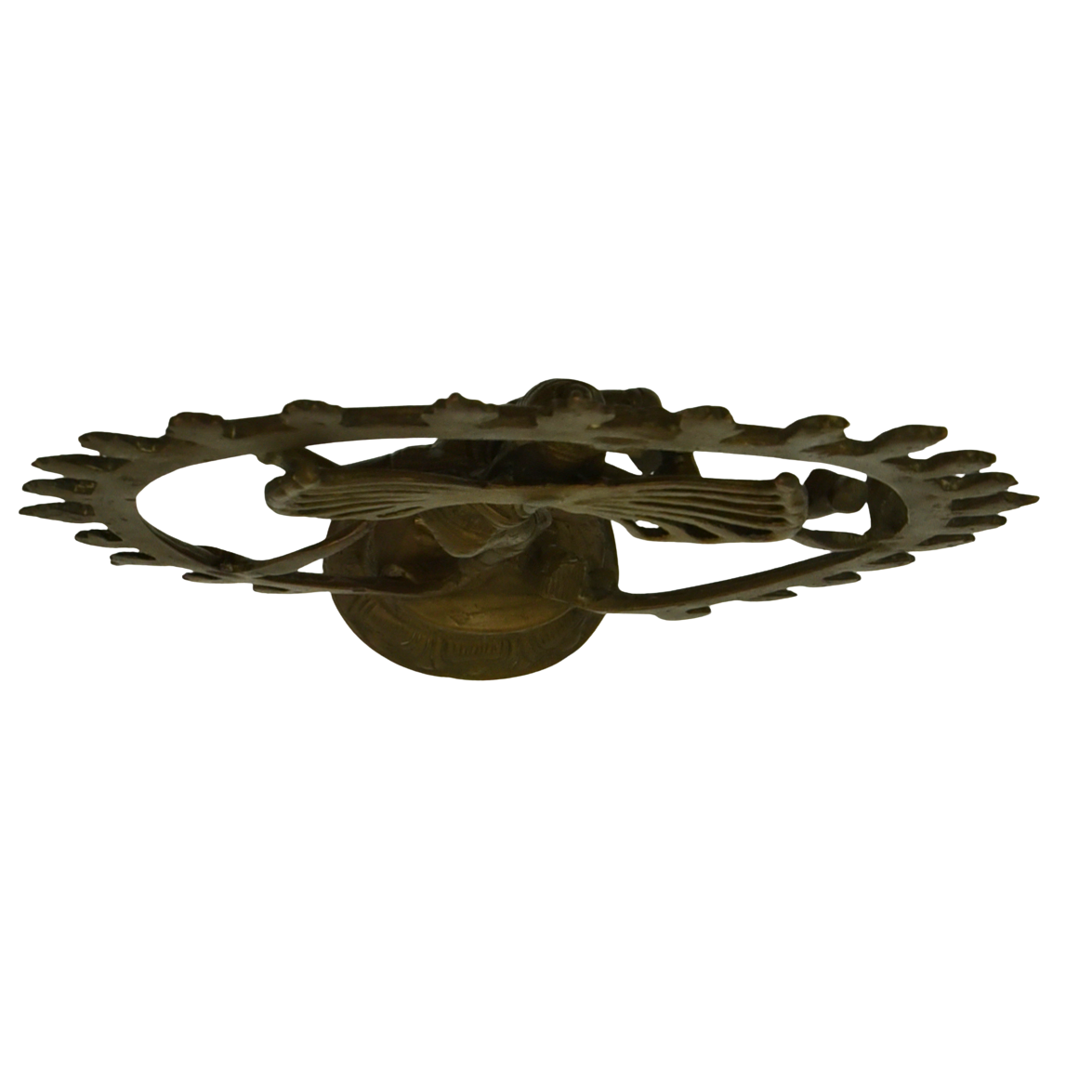
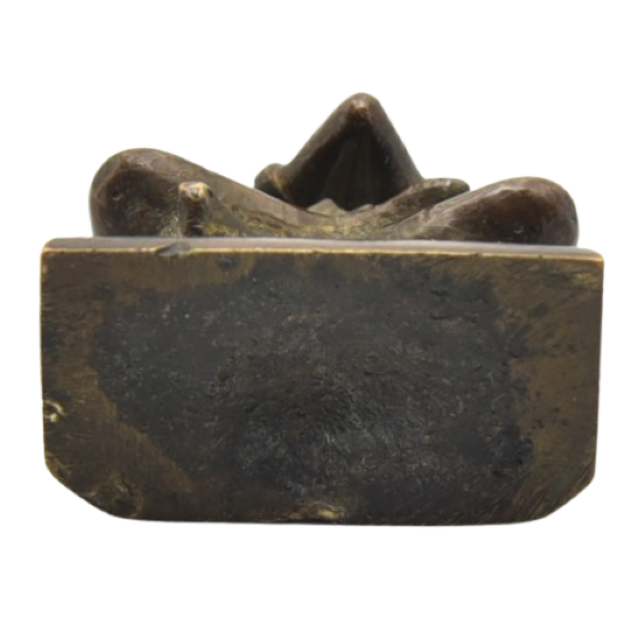
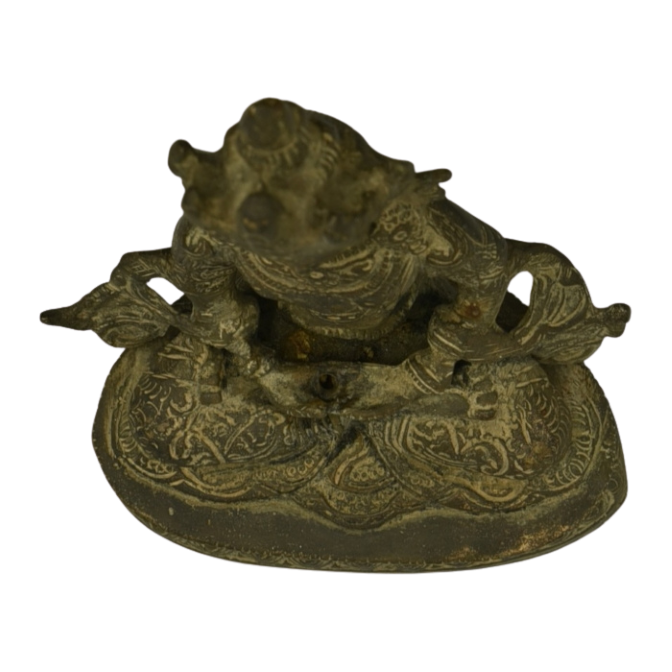
Condition is good for its age, see photos
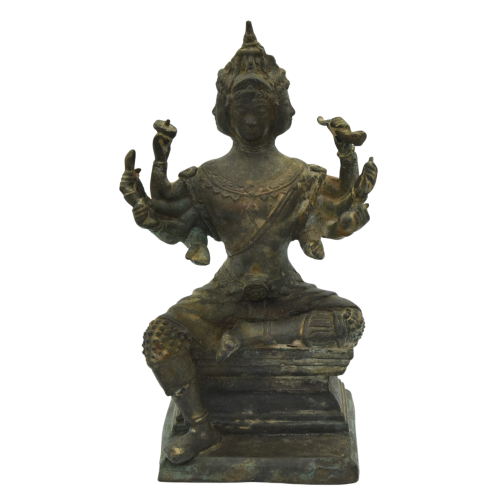
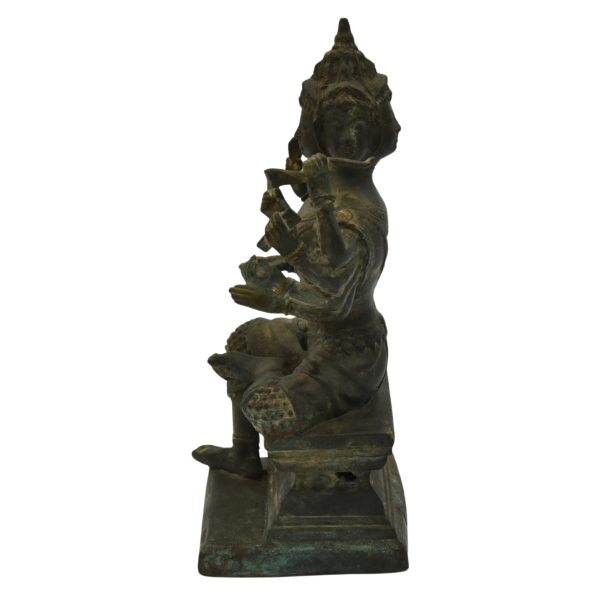
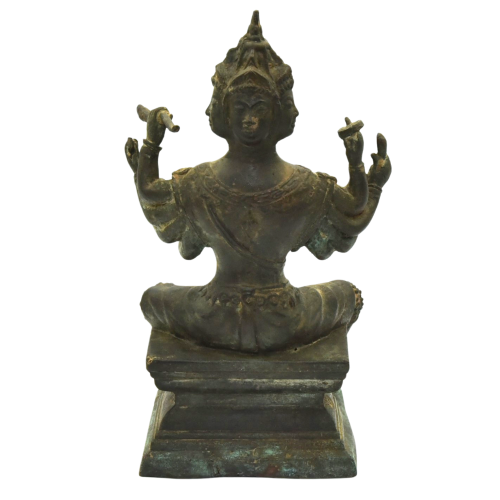
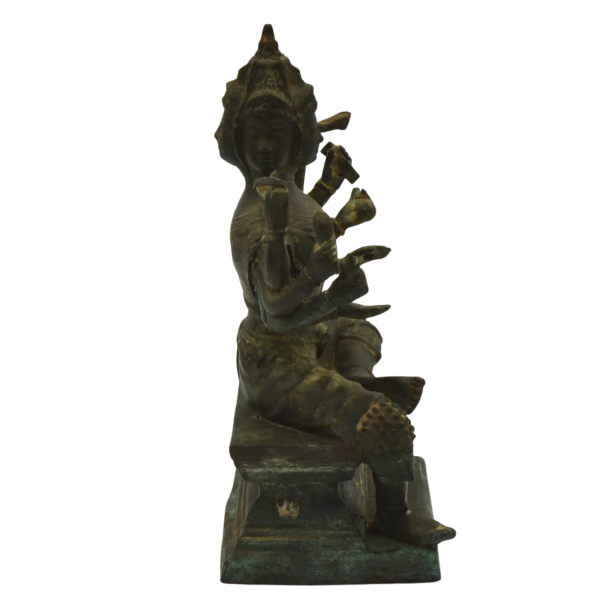
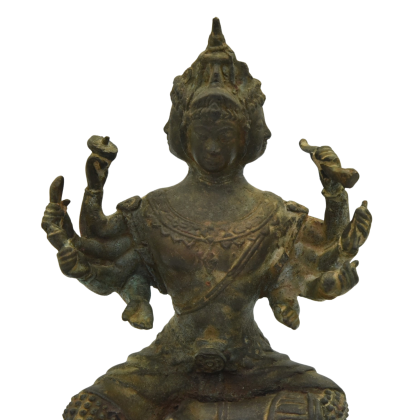
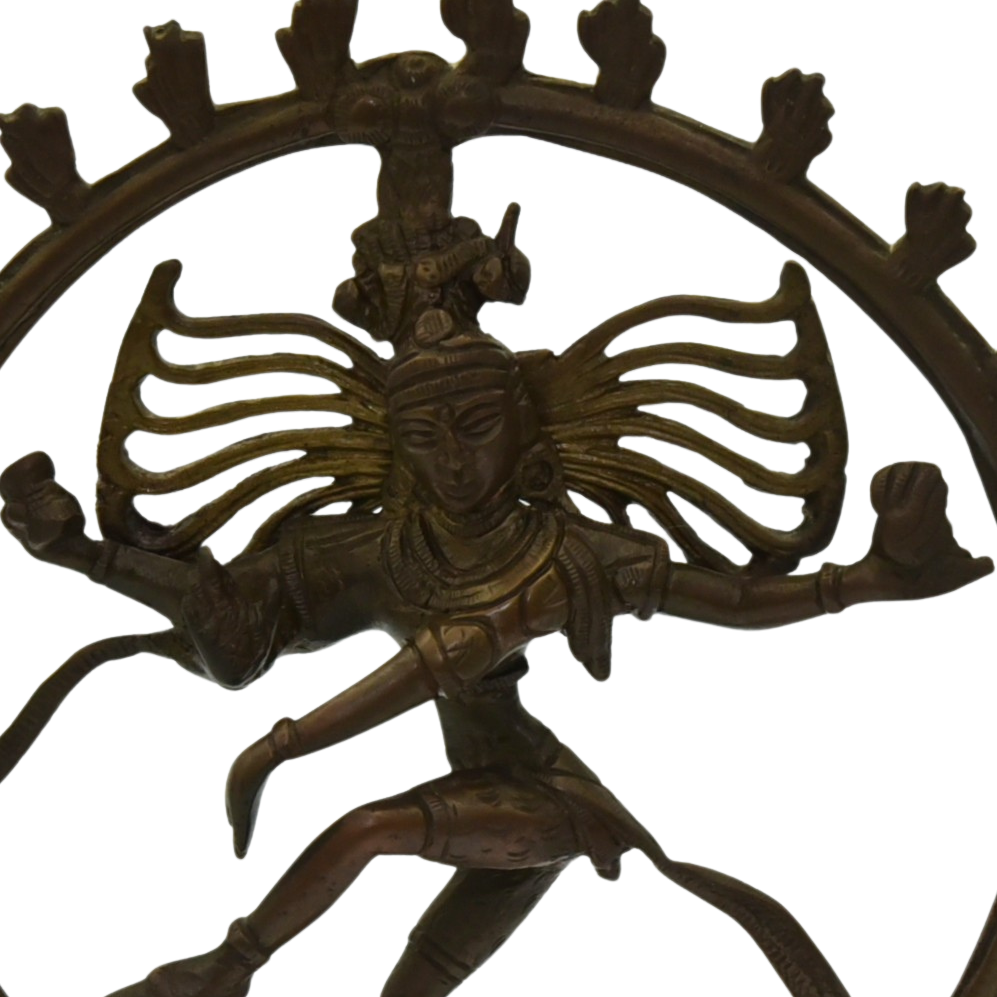
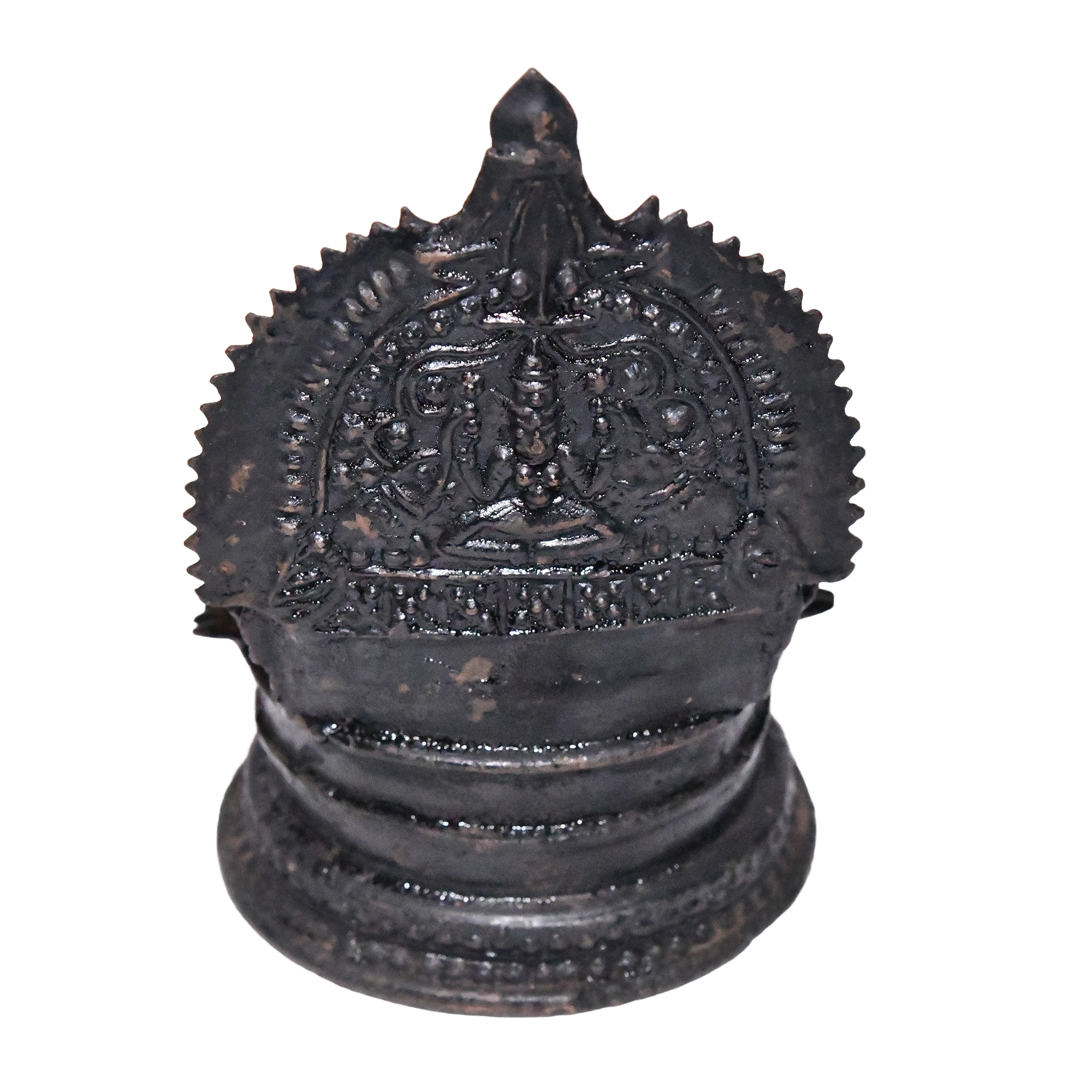
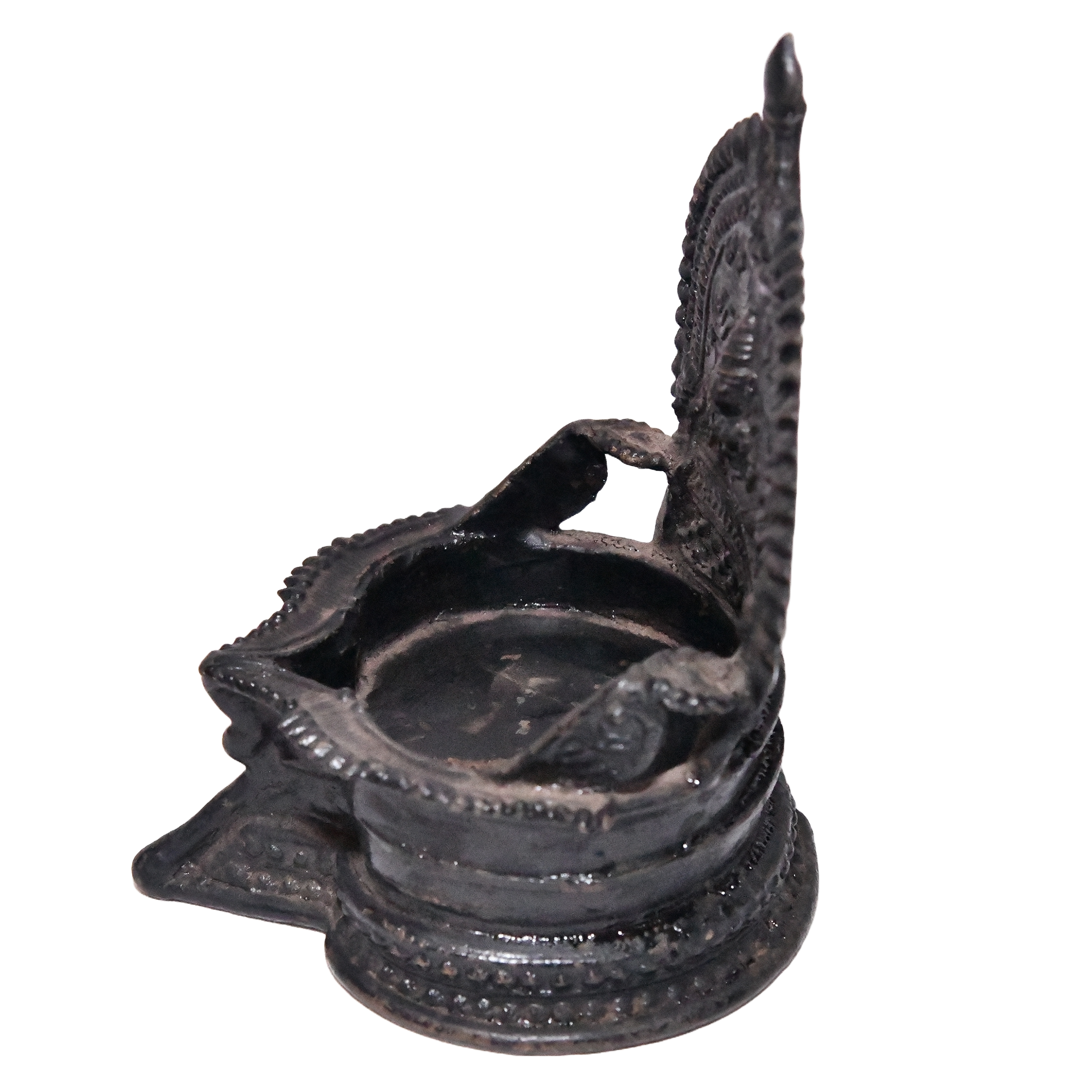
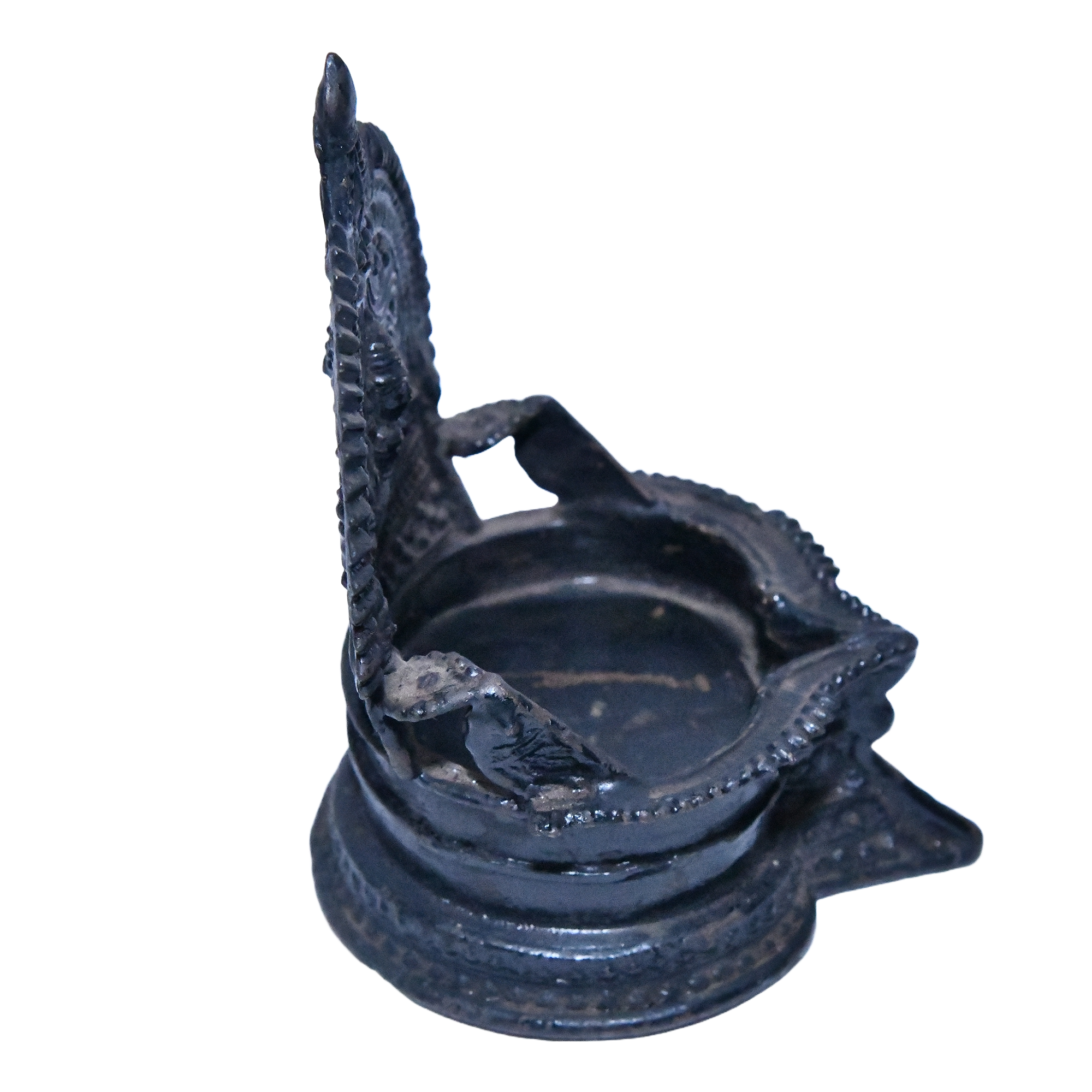
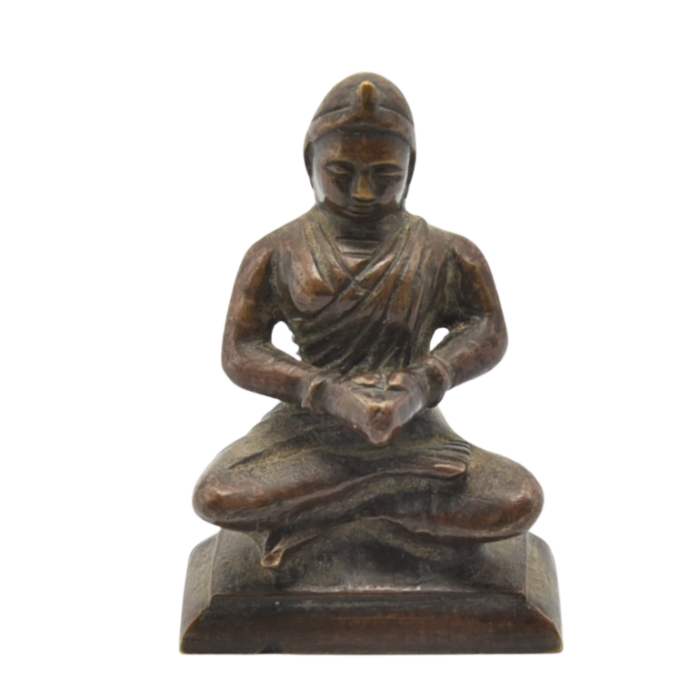
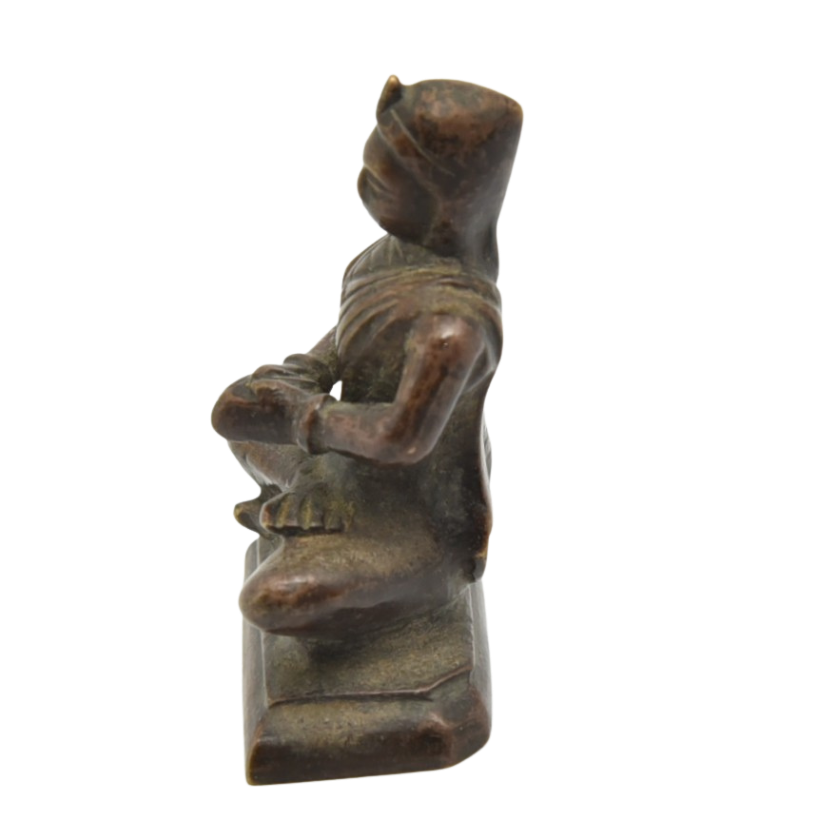
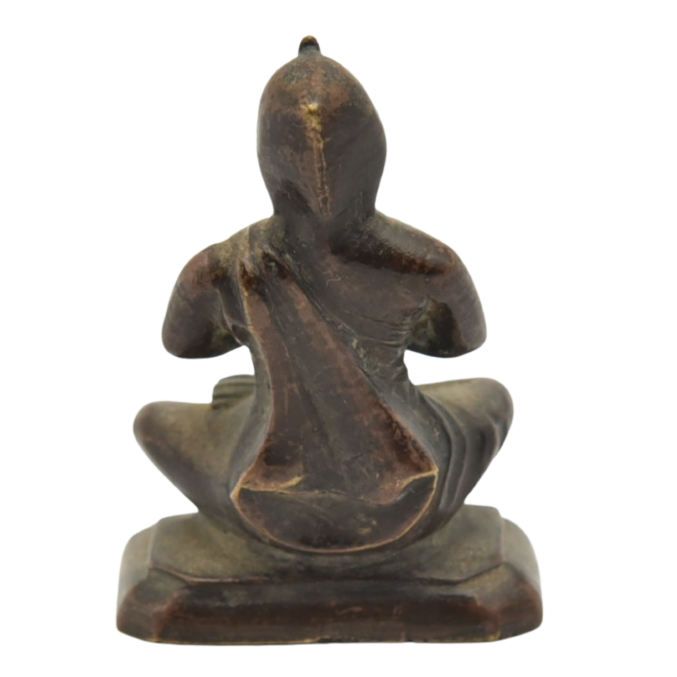
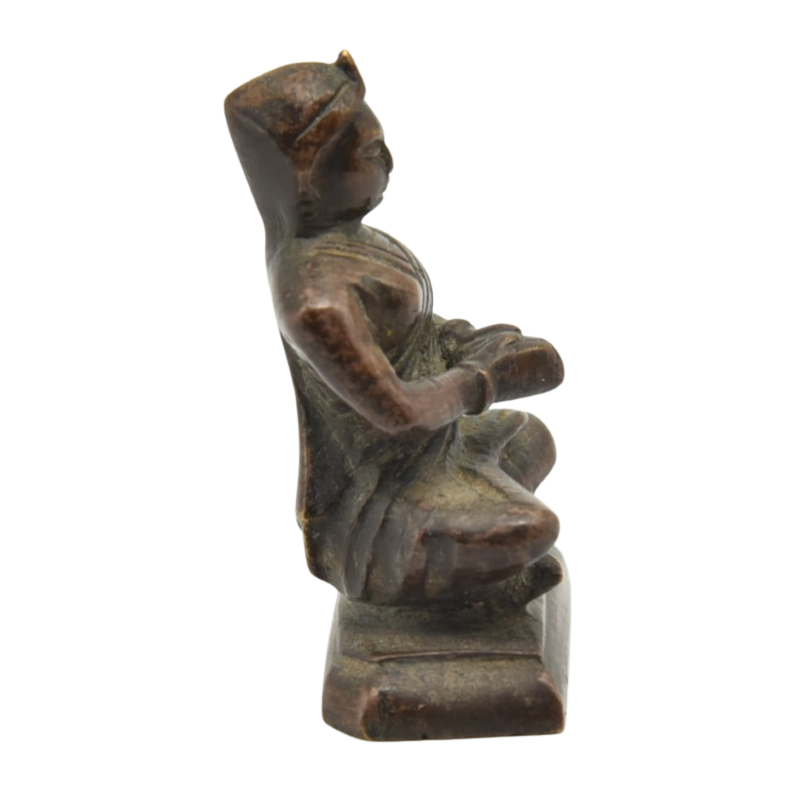
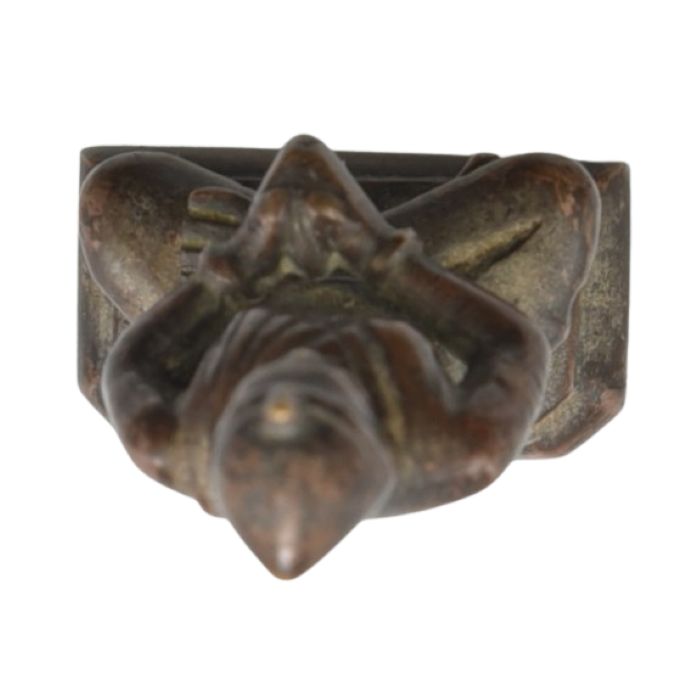
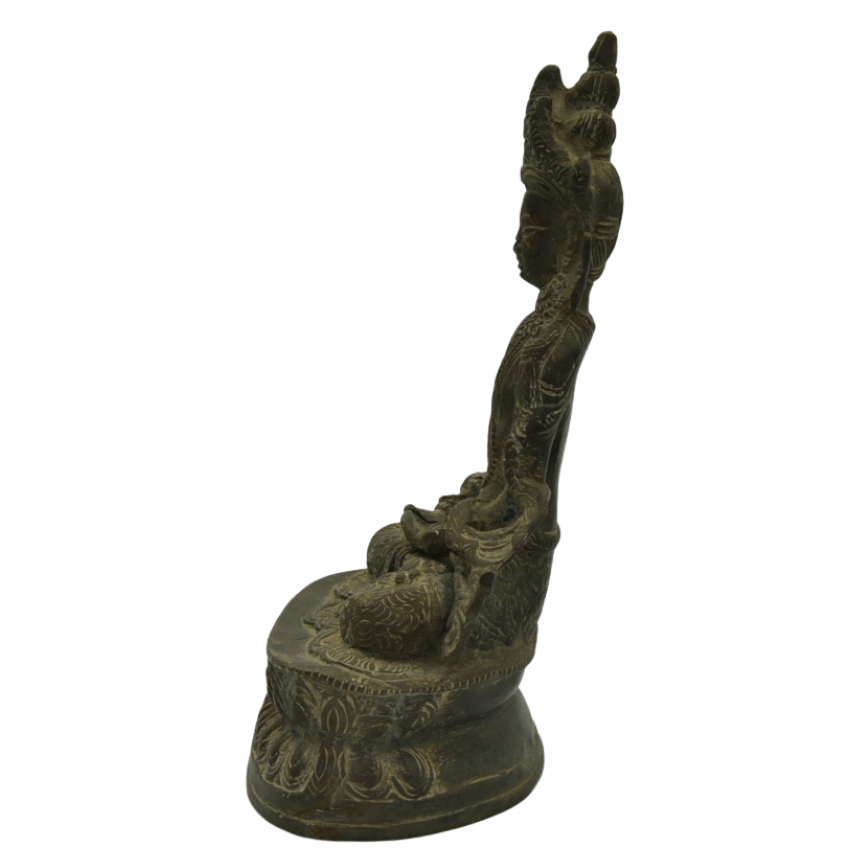
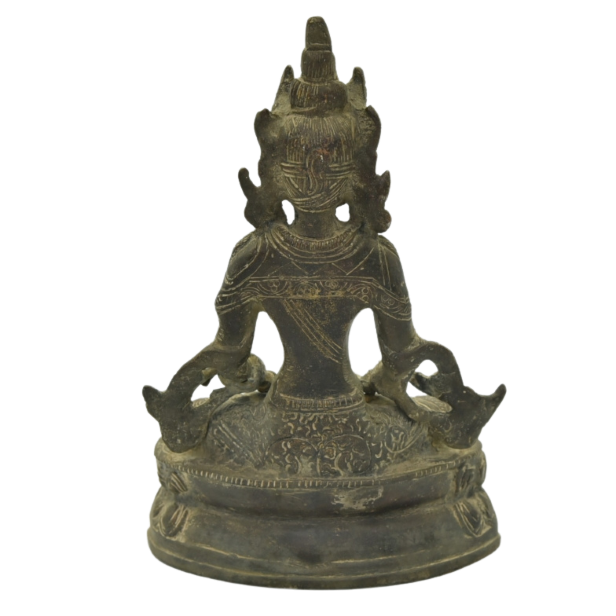
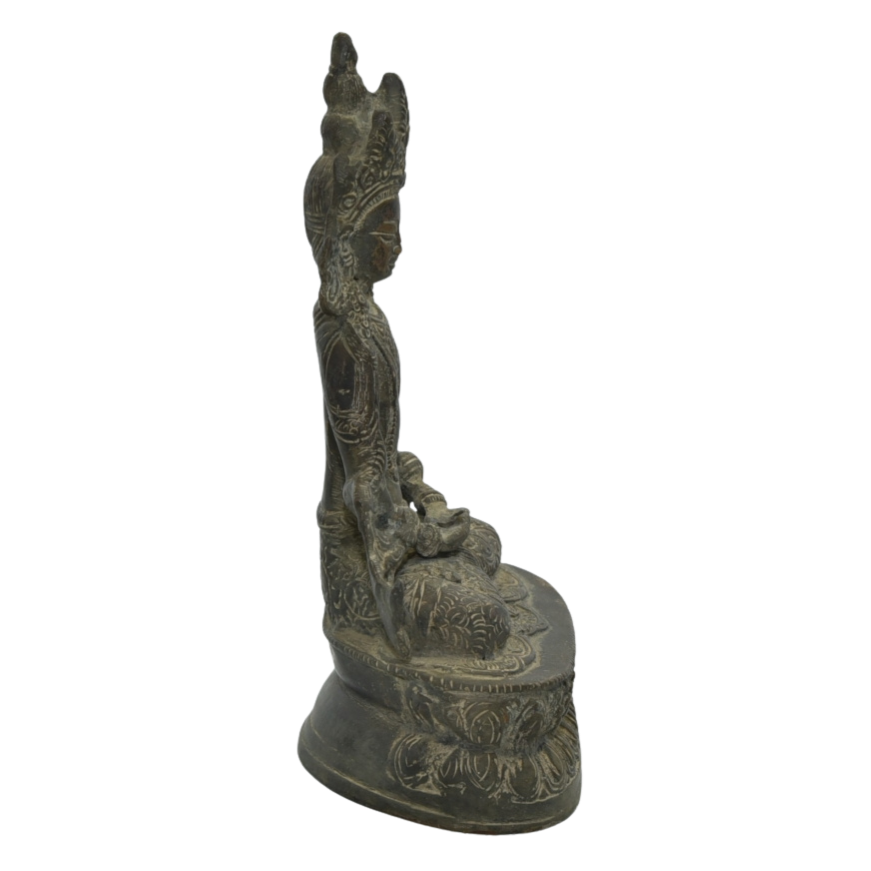
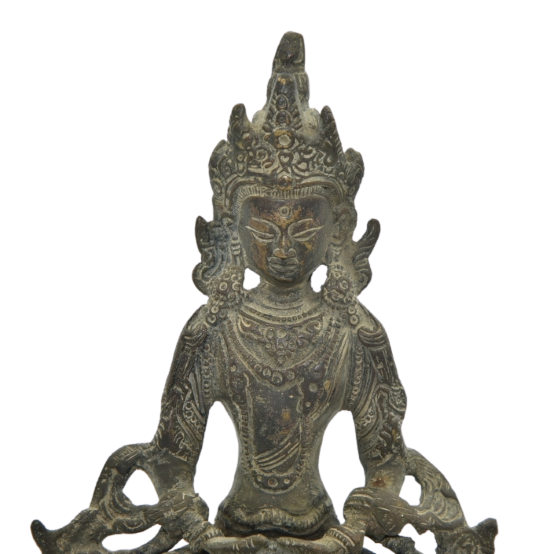
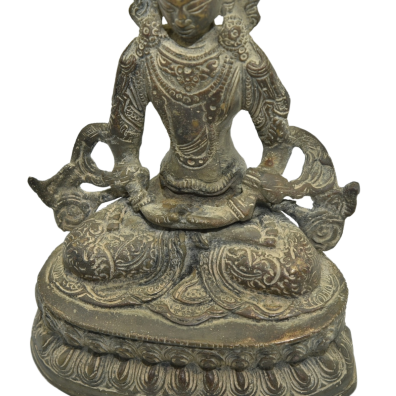
A hand cast brass statue of Chenrezig (Avalokiteshvara), the Bodhisattva of Infinite Compassion and patron deity of Tibet. Cast in high zinc brass, this figure represents the earthly manifestation of Buddha Amitabha, serving as a guardian of the world until the arrival of the future Buddha, Maitreya.
Spiritual Iconography and Symbolism
Every detail of this statue serves as a guide toward enlightenment:
The Crown & Jewelry: Represent "spiritual kingship" and the vast spiritual wealth of a mind mastered through wisdom.
The Parasol (Chatra): An auspicious symbol offering protection from suffering and the "shade of wisdom" against negative energies.
Lotus Imagery: As Padmapani ("Lotus-in-Hand"), Chenrezig holds a bloom that rises pure from muddy waters, symbolising the ability to remain untainted by the world's suffering.
Mudras and Posture: The Varada Mudra (hand extended downward) signifies charity and wish-granting. The figure sits in the Vajraparyankasana (diamond pose) on a lotus throne, representing the perfect union of wisdom and stability.
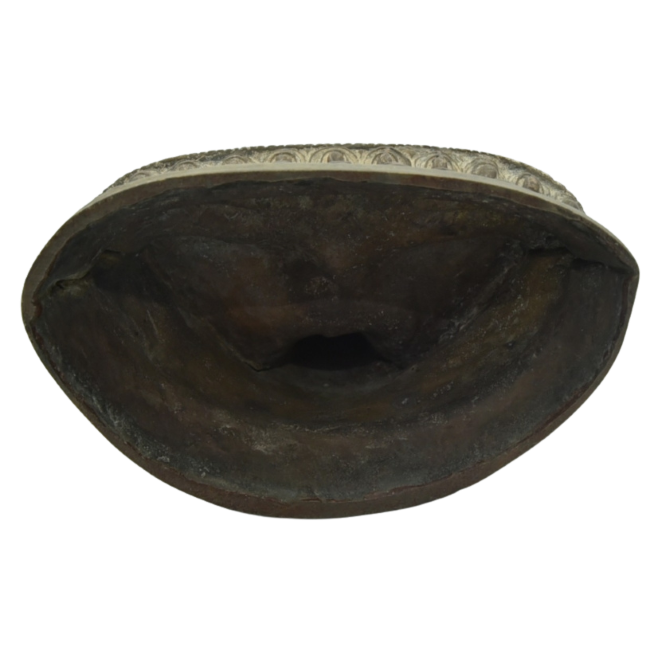
The Sacred Seal (Rab Ne): Distinguishing it from mere art, this statue features a sealed base, indicating it has undergone the Rab Ne consecration ceremony. A lama fills the hollow interior with sacred scrolls, mantras, and incense, inviting the deity’s presence. The base is secured with a metal plate, often stamped with a vishvavajra, transforming the piece into a living sanctuary for worship.
The Power of the Mantra
Chenrezig is the source of the foundational Tibetan mantra: Om Mani Padme Hum ("Hail to the Jewel in the Lotus"). Reciting these syllables is believed to purify karma and align the practitioner’s body, speech, and mind with the Buddha nature.
Whether used as a focal point for meditation or a sacred addition to a shrine, this statue embodies the protective, peaceful qualities of universal compassion.
Read more
Date: Late 19th to early 20th century
Geography: Tibet
Culture: Tibetan
Dimensions: 40cm H x 18cm L x 11cm W.
Weight 3.116kg
Material: Brass, Zinc
Condition is good for its age, see photos
A hand cast brass statue of Chenrezig (Avalokiteshvara), the Bodhisattva of Infinite Compassion and patron deity of Tibet. Cast in high zinc brass, this figure represents the earthly manifestation of Buddha Amitabha, serving as a guardian of the world until the arrival of the future Buddha, Maitreya.
Spiritual Iconography and Symbolism
Every detail of this statue serves as a guide toward enlightenment:
The Crown & Jewelry: Represent "spiritual kingship" and the vast spiritual wealth of a mind mastered through wisdom.
The Parasol (Chatra): An auspicious symbol offering protection from suffering and the "shade of wisdom" against negative energies.
Lotus Imagery: As Padmapani ("Lotus-in-Hand"), Chenrezig holds a bloom that rises pure from muddy waters, symbolising the ability to remain untainted by the world's suffering.
Mudras and Posture: The Varada Mudra (hand extended downward) signifies charity and wish-granting. The figure sits in the Vajraparyankasana (diamond pose) on a lotus throne, representing the perfect union of wisdom and stability.
The Sacred Seal (Rab Ne): Distinguishing it from mere art, this statue features a sealed base, indicating it has undergone the Rab Ne consecration ceremony. A lama fills the hollow interior with sacred scrolls, mantras, and incense, inviting the deity’s presence. The base is secured with a metal plate, often stamped with a vishvavajra, transforming the piece into a living sanctuary for worship.
The Power of the Mantra
Chenrezig is the source of the foundational Tibetan mantra: Om Mani Padme Hum ("Hail to the Jewel in the Lotus"). Reciting these syllables is believed to purify karma and align the practitioner’s body, speech, and mind with the Buddha nature.
Whether used as a focal point for meditation or a sacred addition to a shrine, this statue embodies the protective, peaceful qualities of universal compassion.
Read more


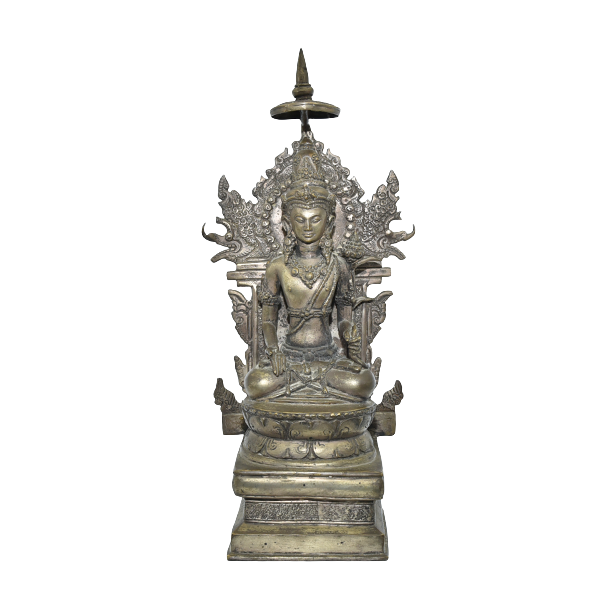 Image 1 of 9
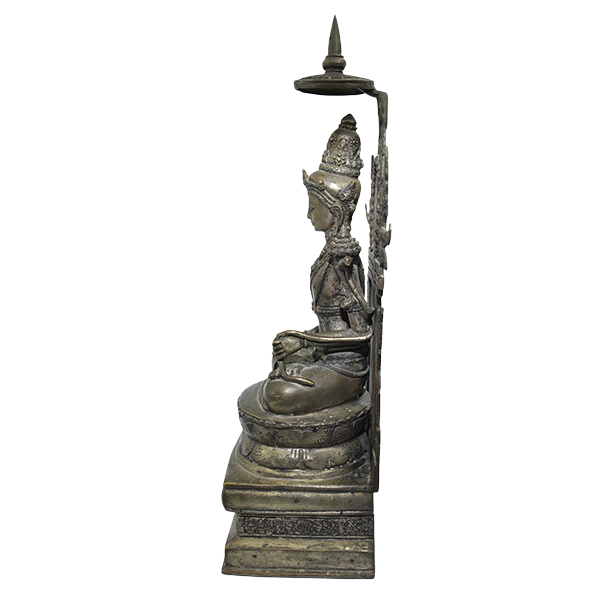 Image 2 of 9
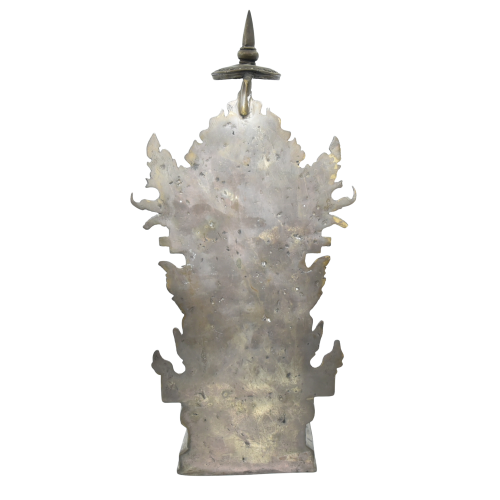 Image 3 of 9
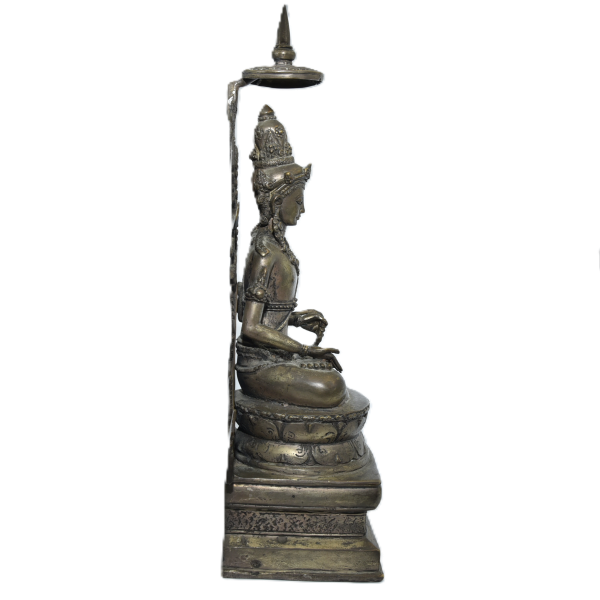 Image 4 of 9
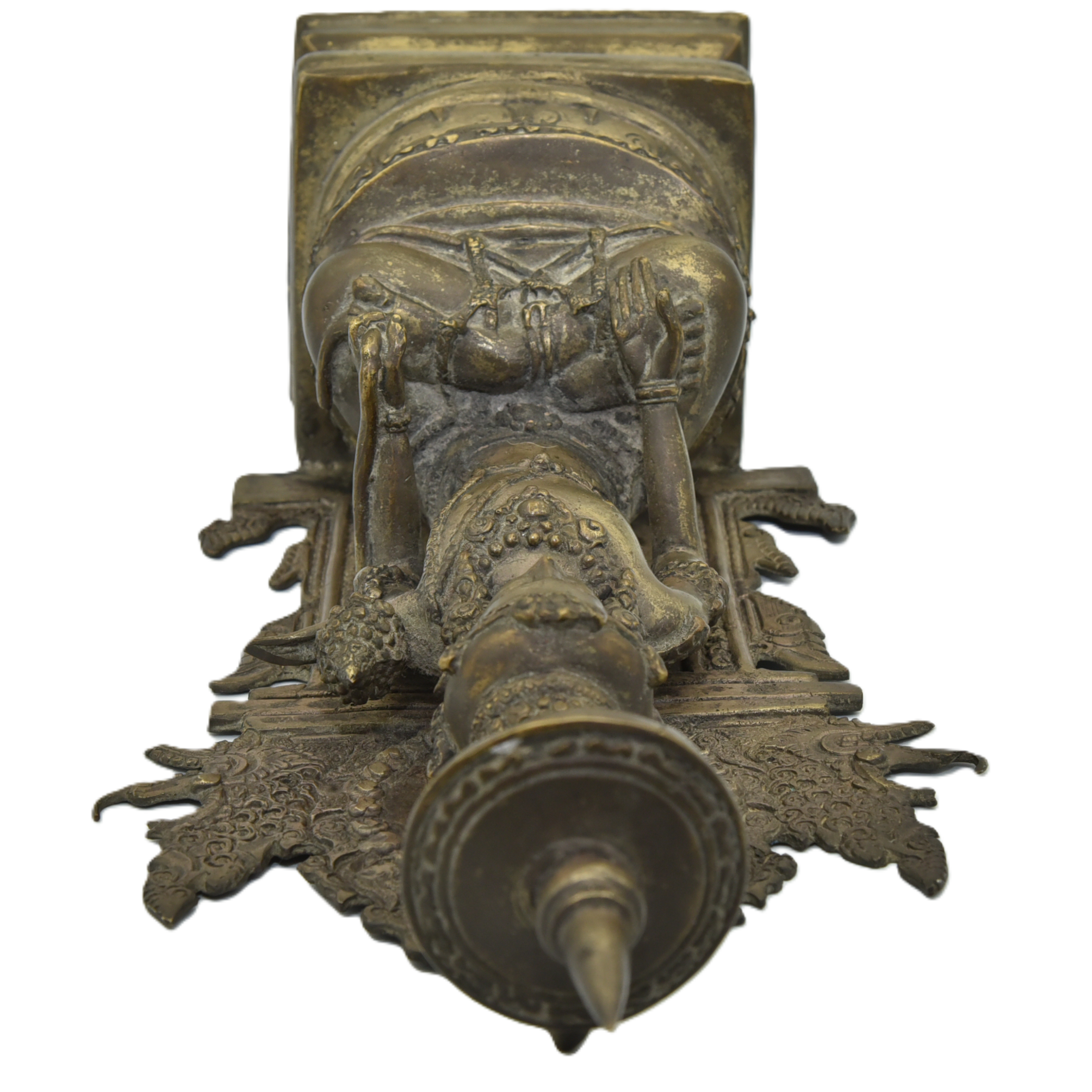 Image 5 of 9
 Image 6 of 9
 Image 7 of 9
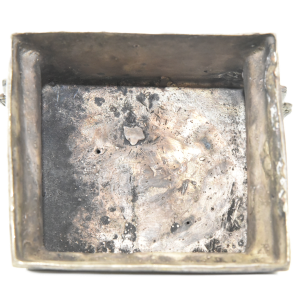 Image 8 of 9
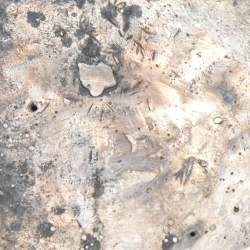 Image 9 of 9