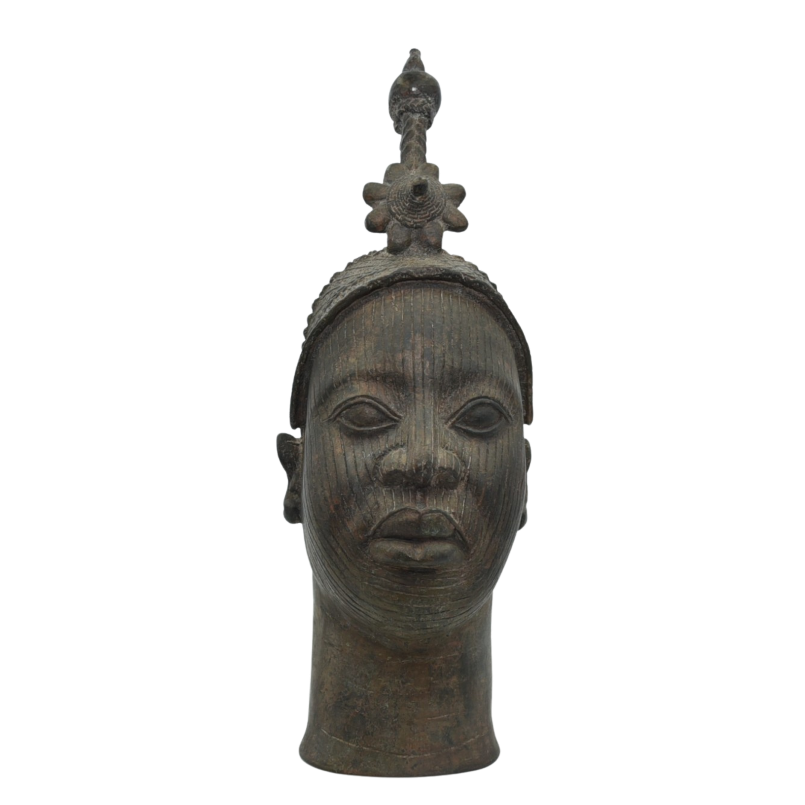
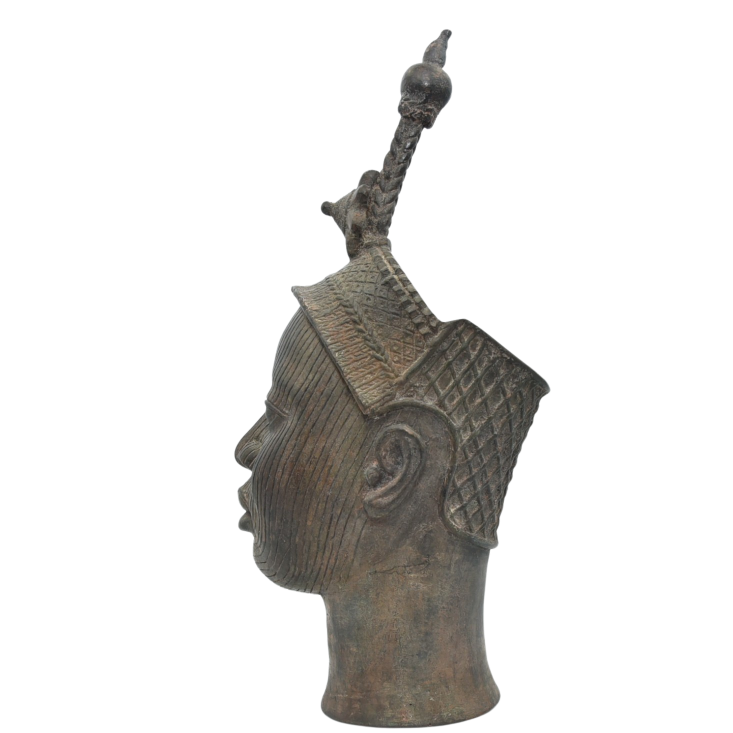
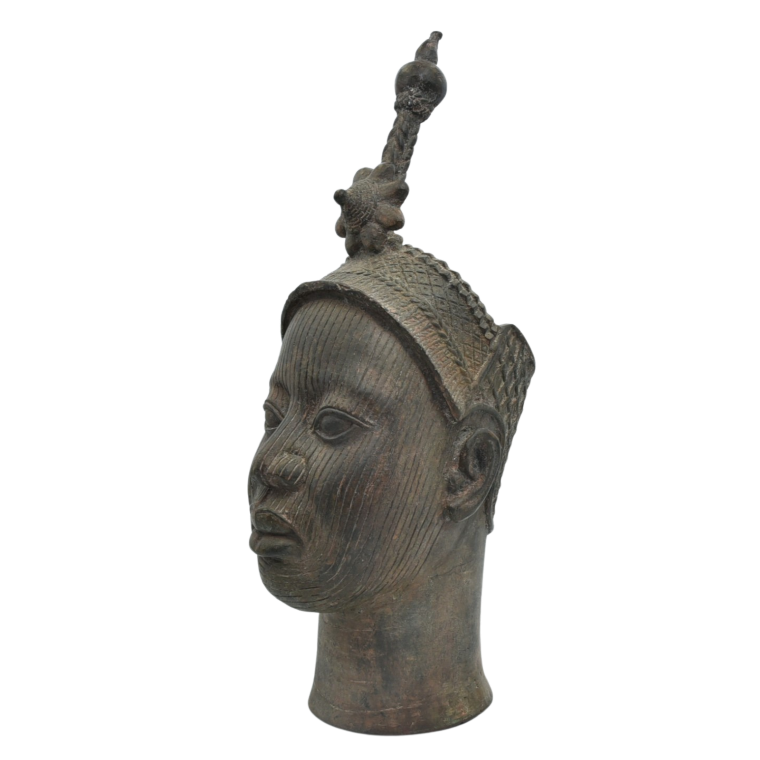
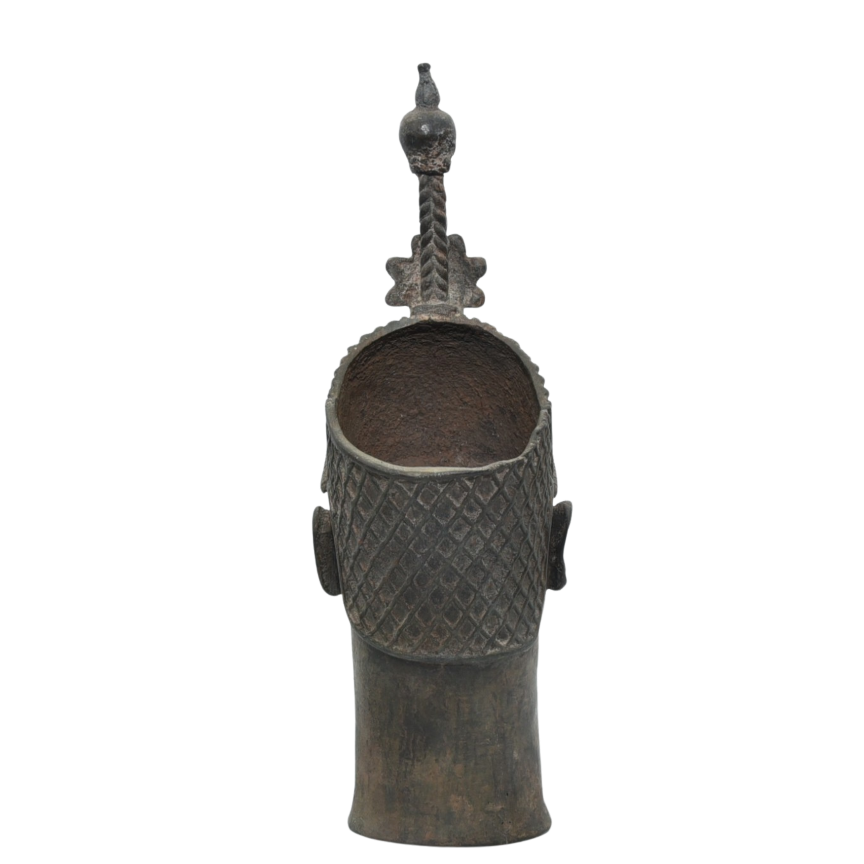
Date: late 19th to early 20th century
Geography: India
Dimensions: 8cm H x 4.5cm L x 3cm W.
Weight 155g
Material: bronze alloy
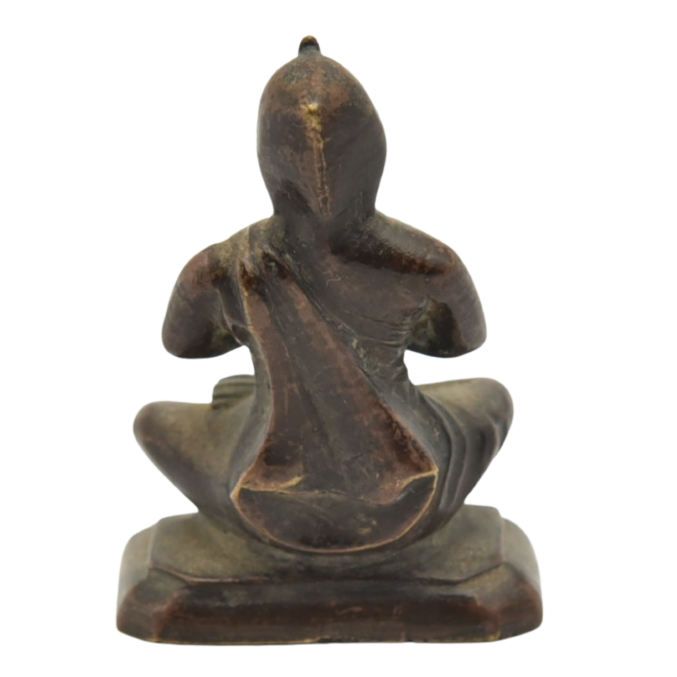
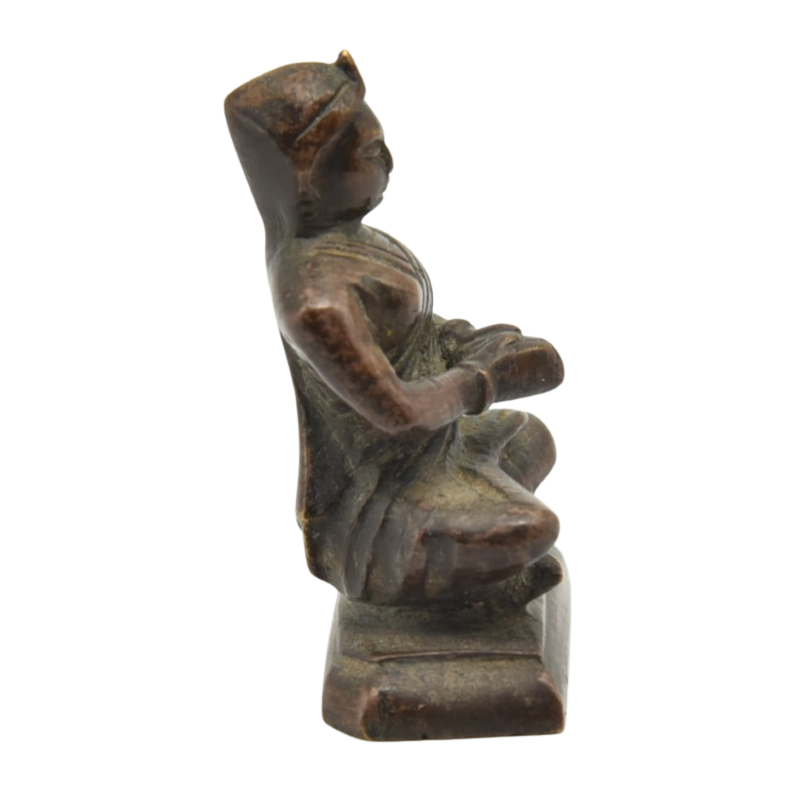
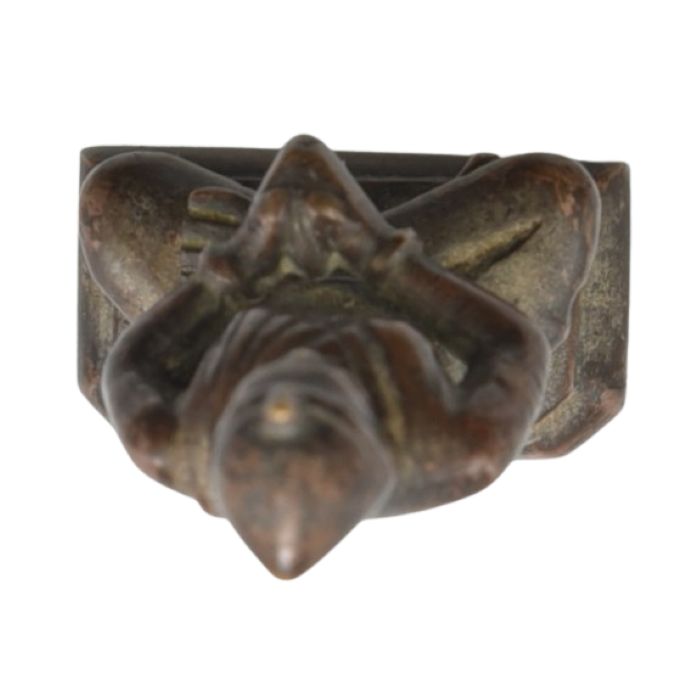
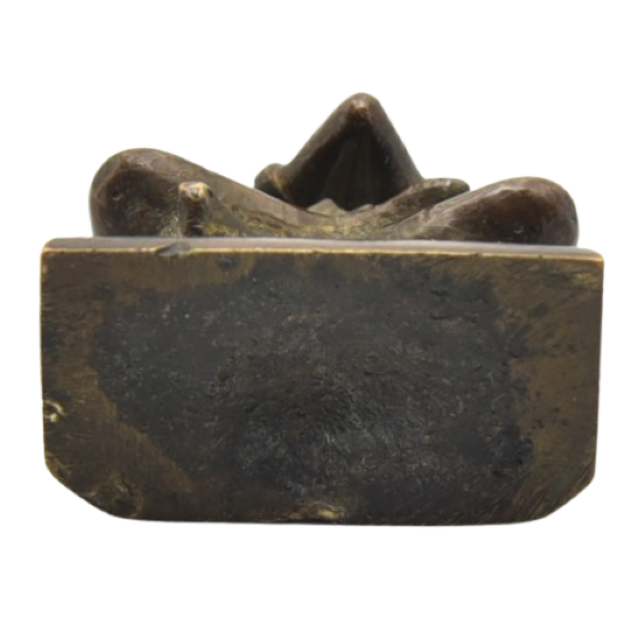
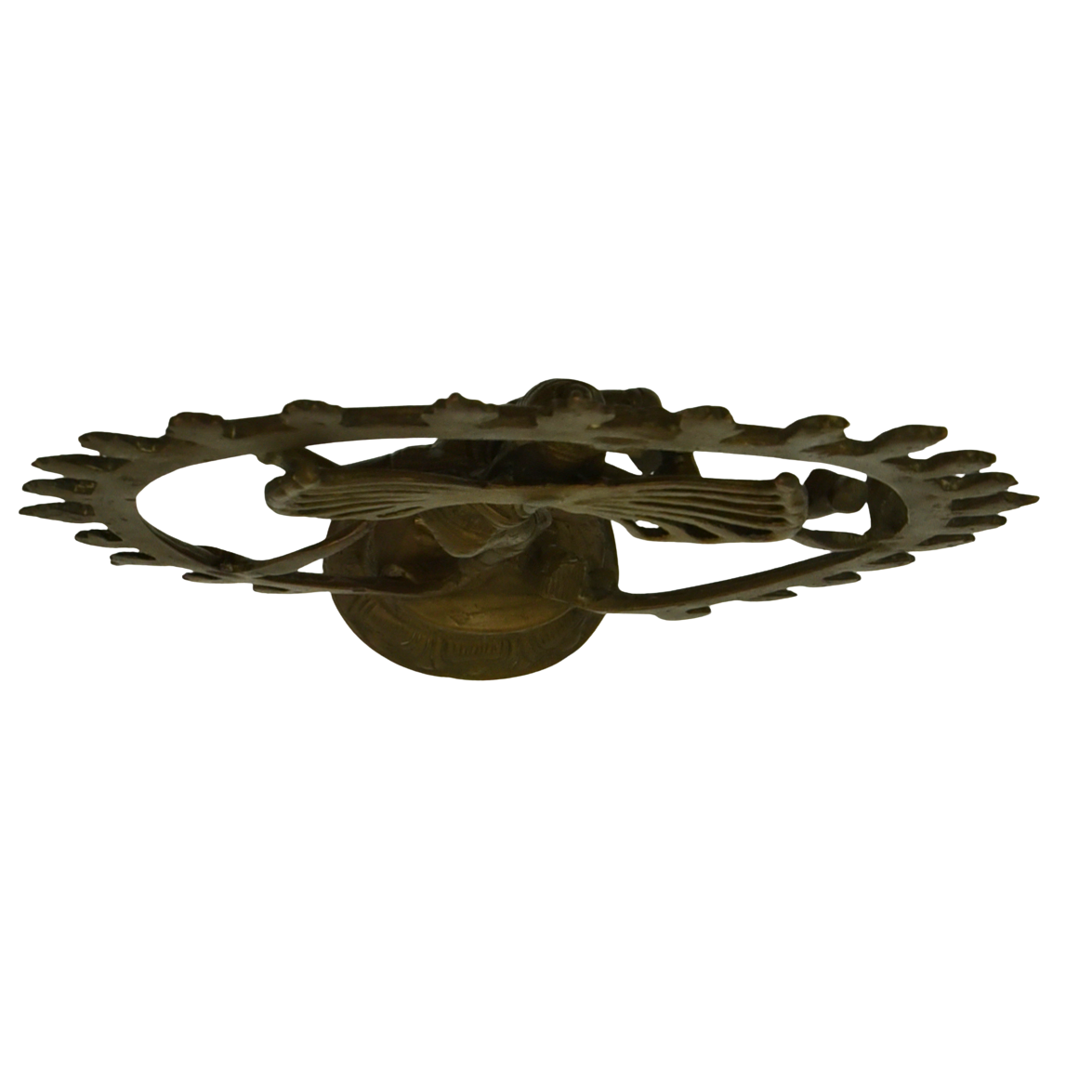
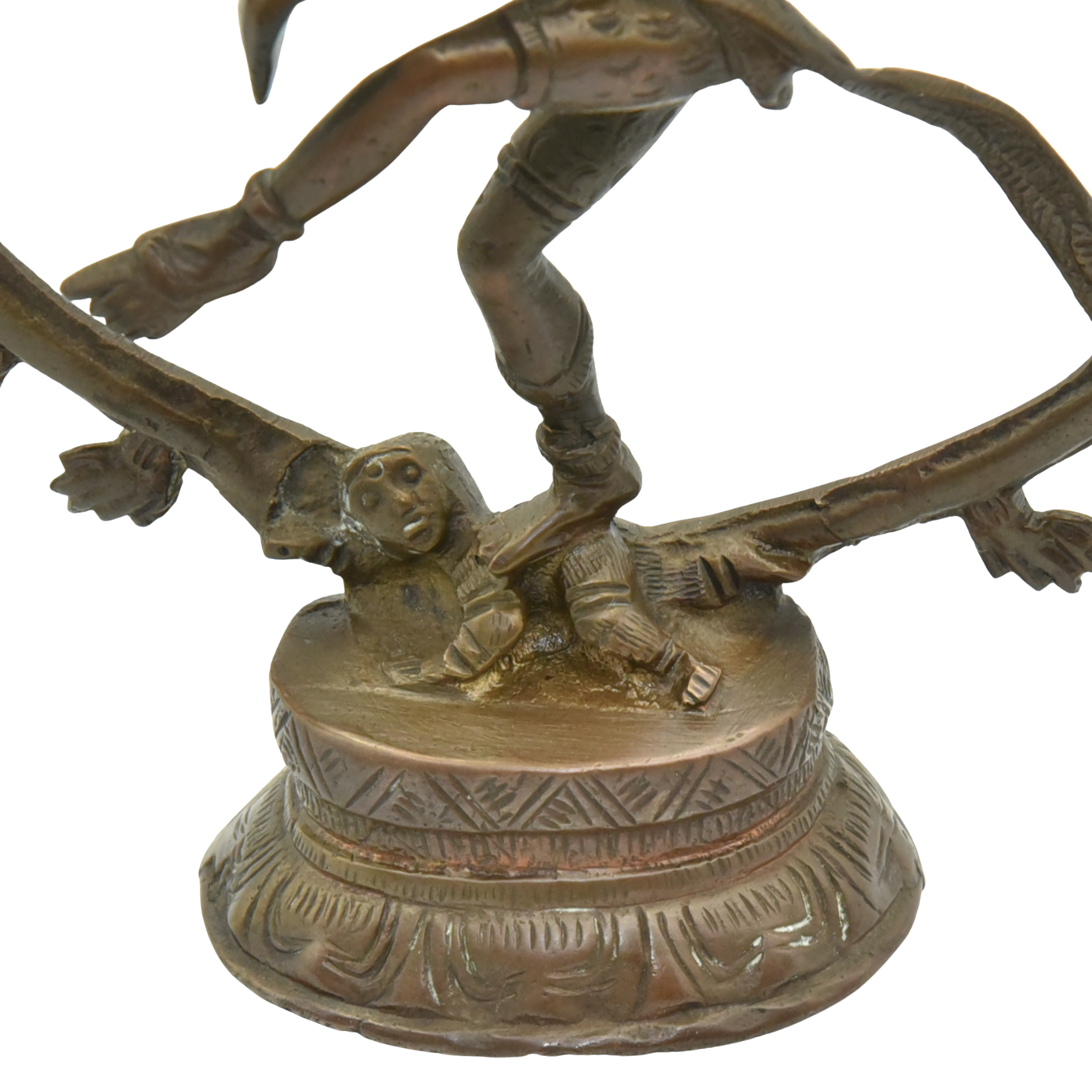
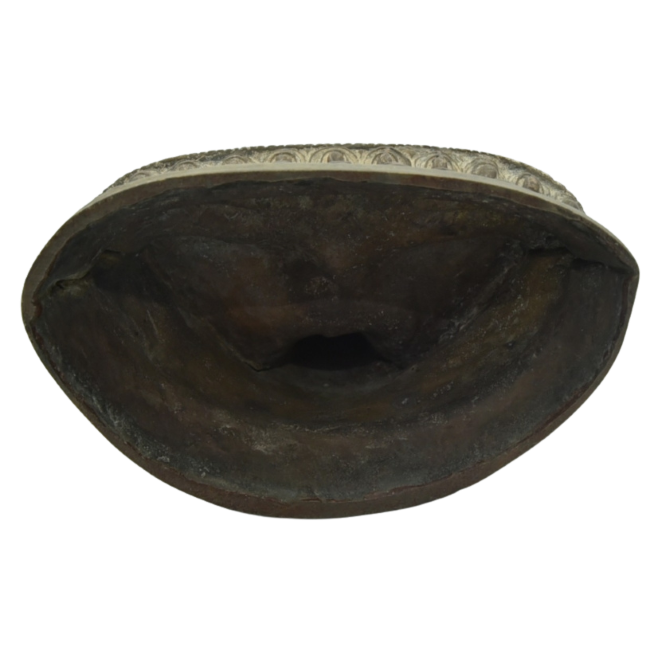
Condition is good for its age, see photos
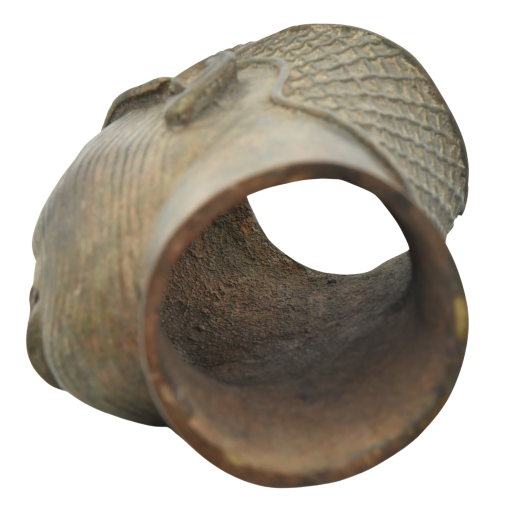
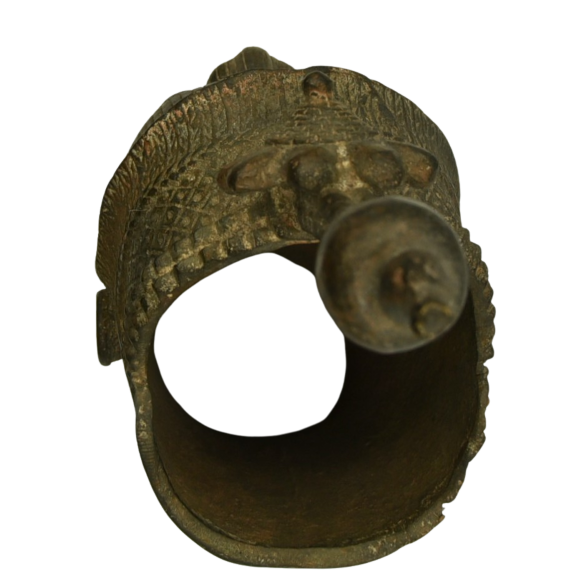
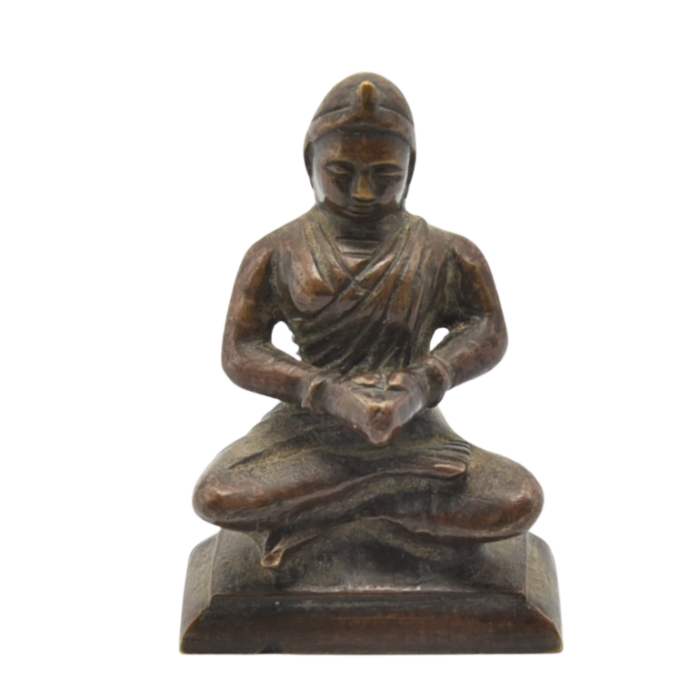
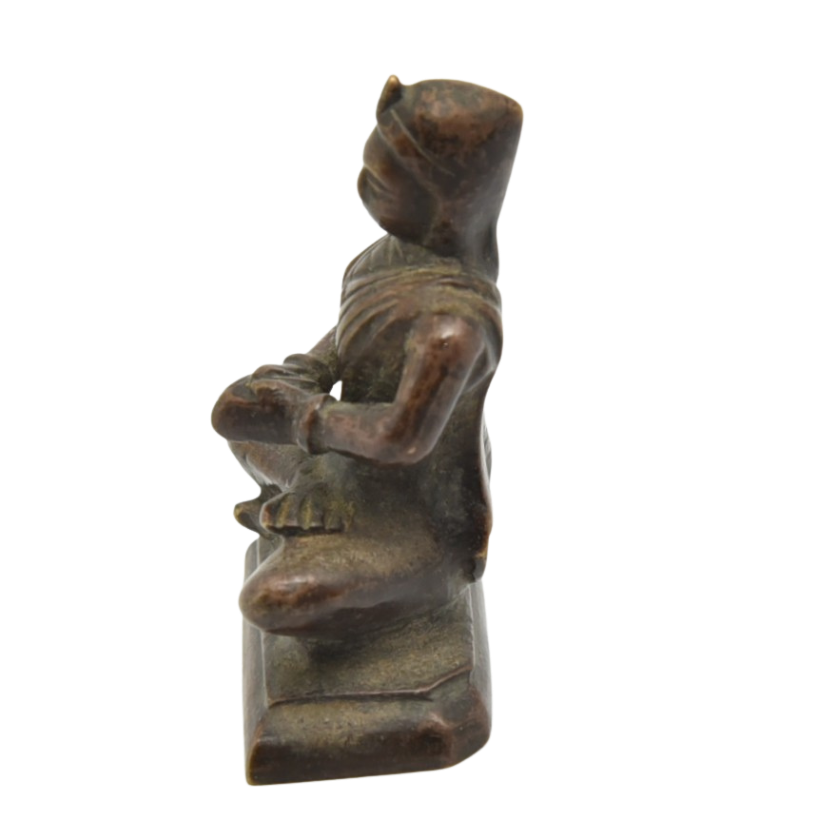
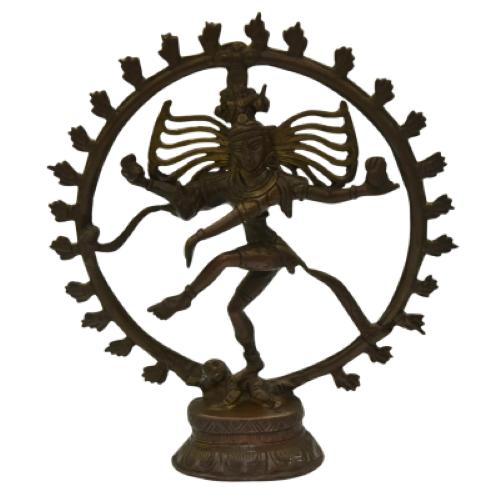
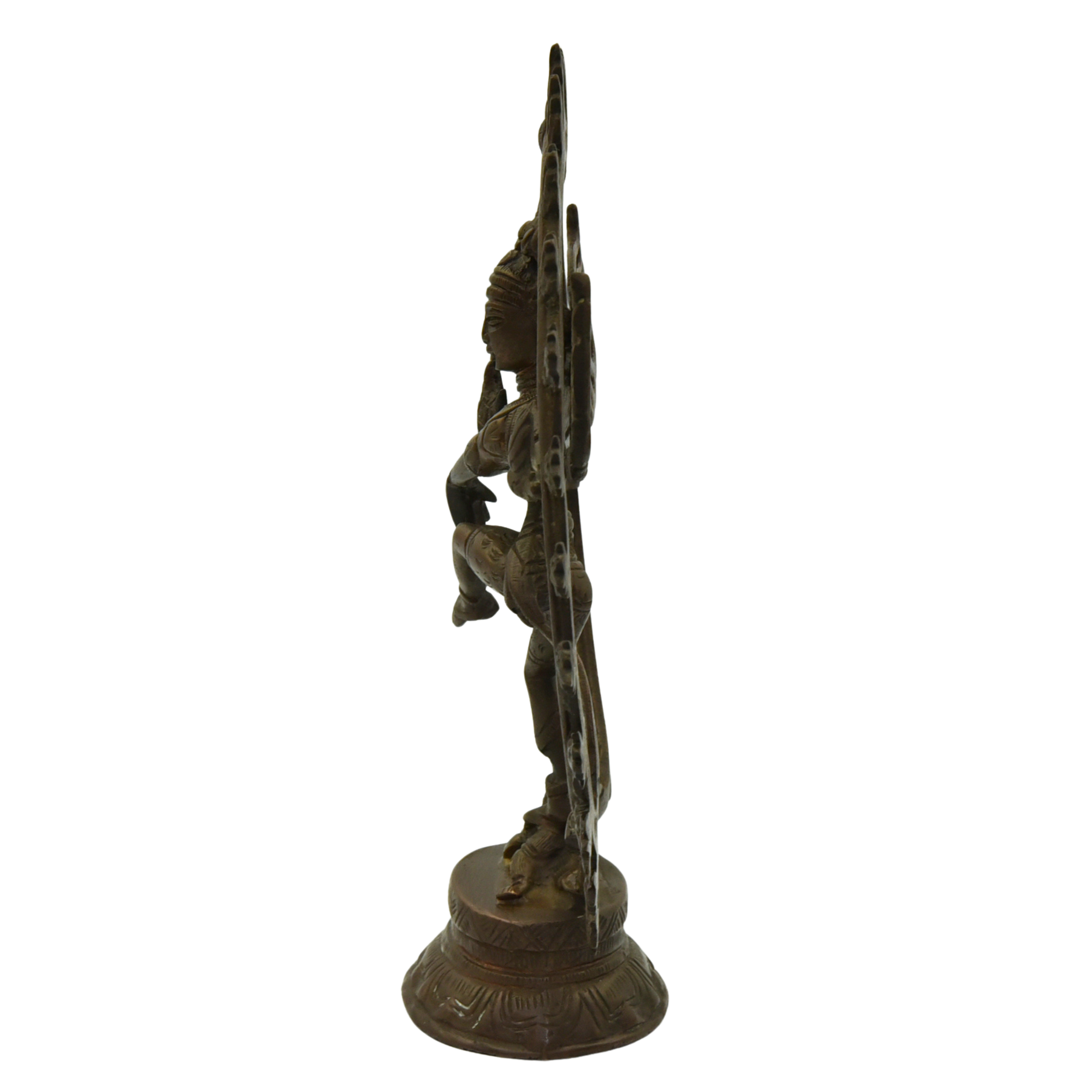
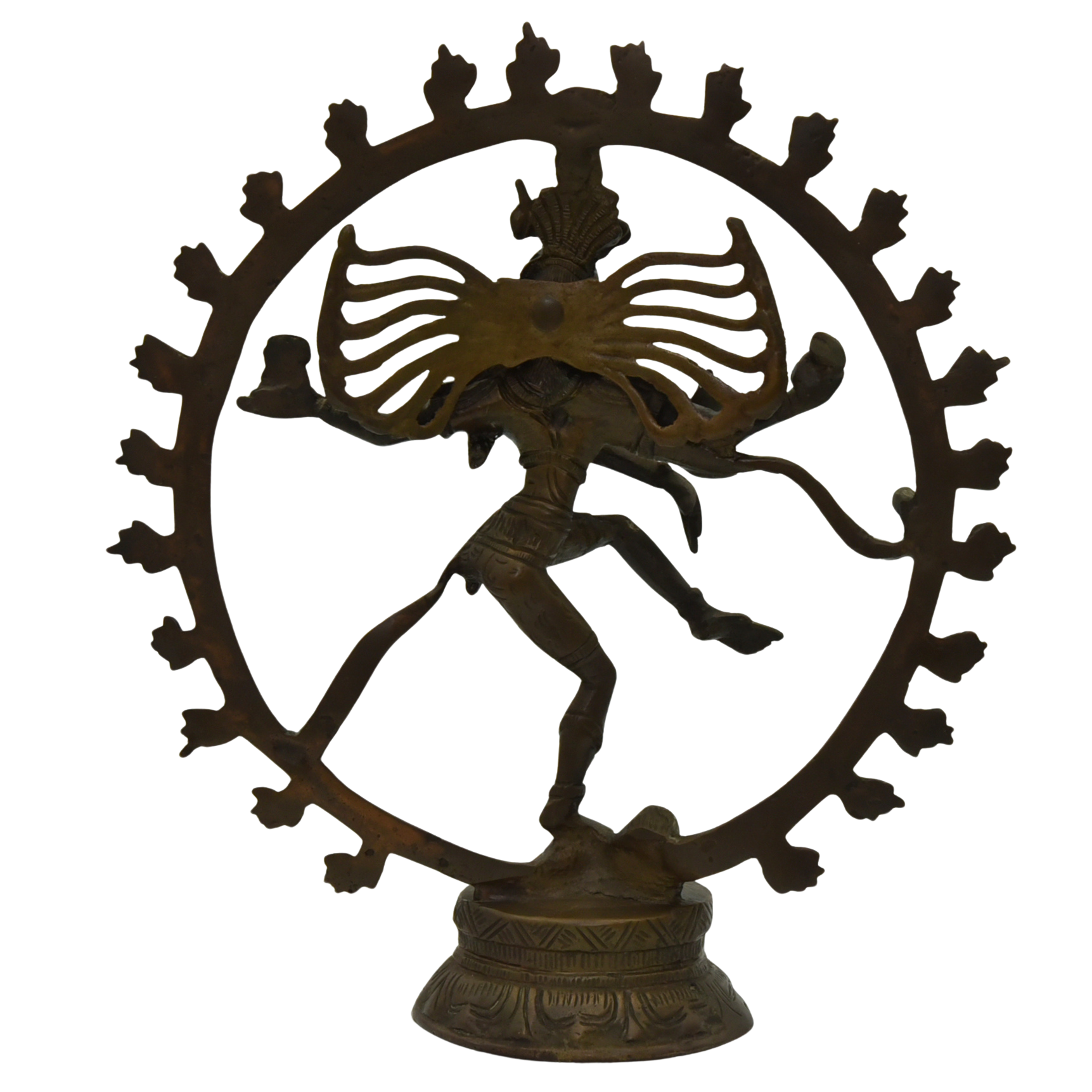
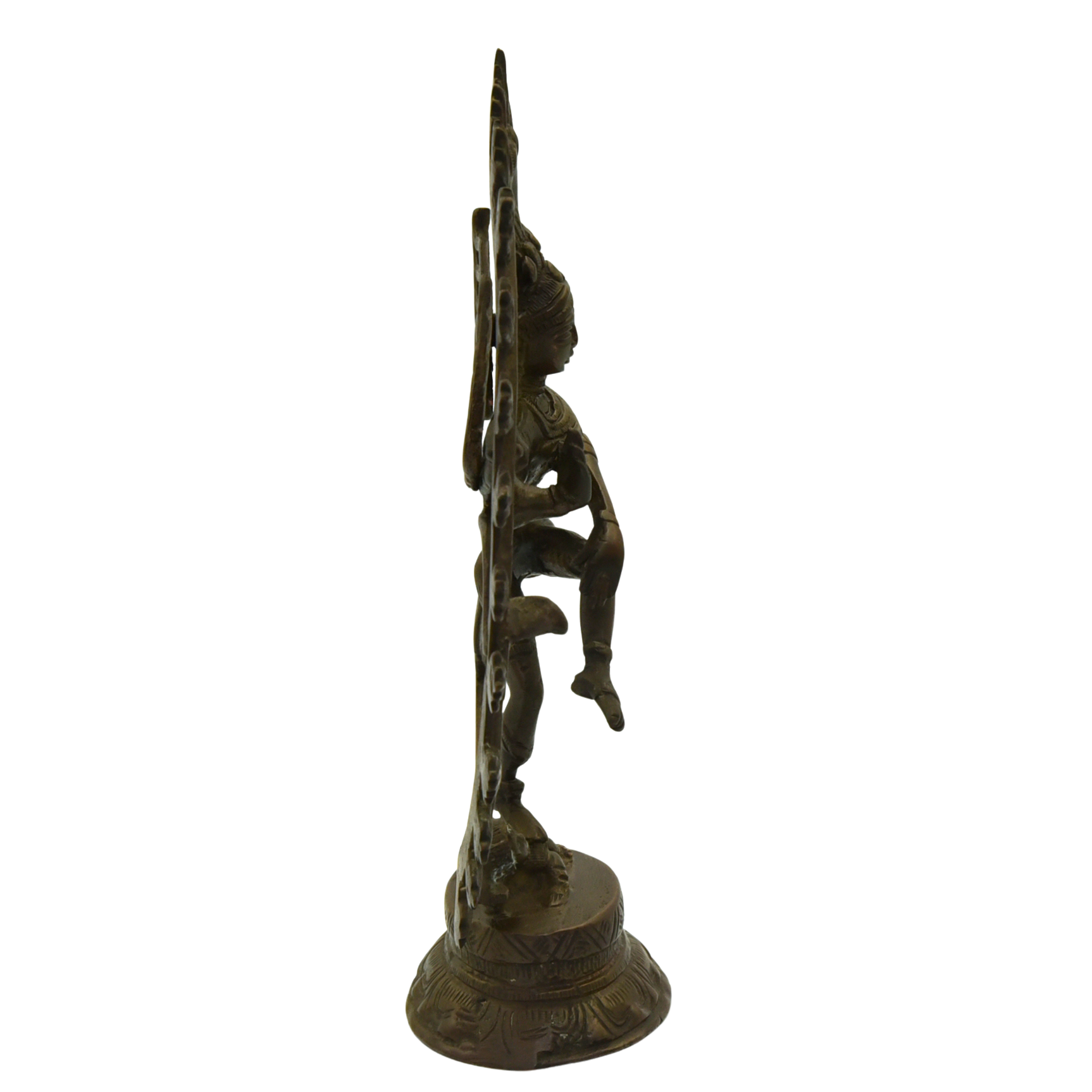
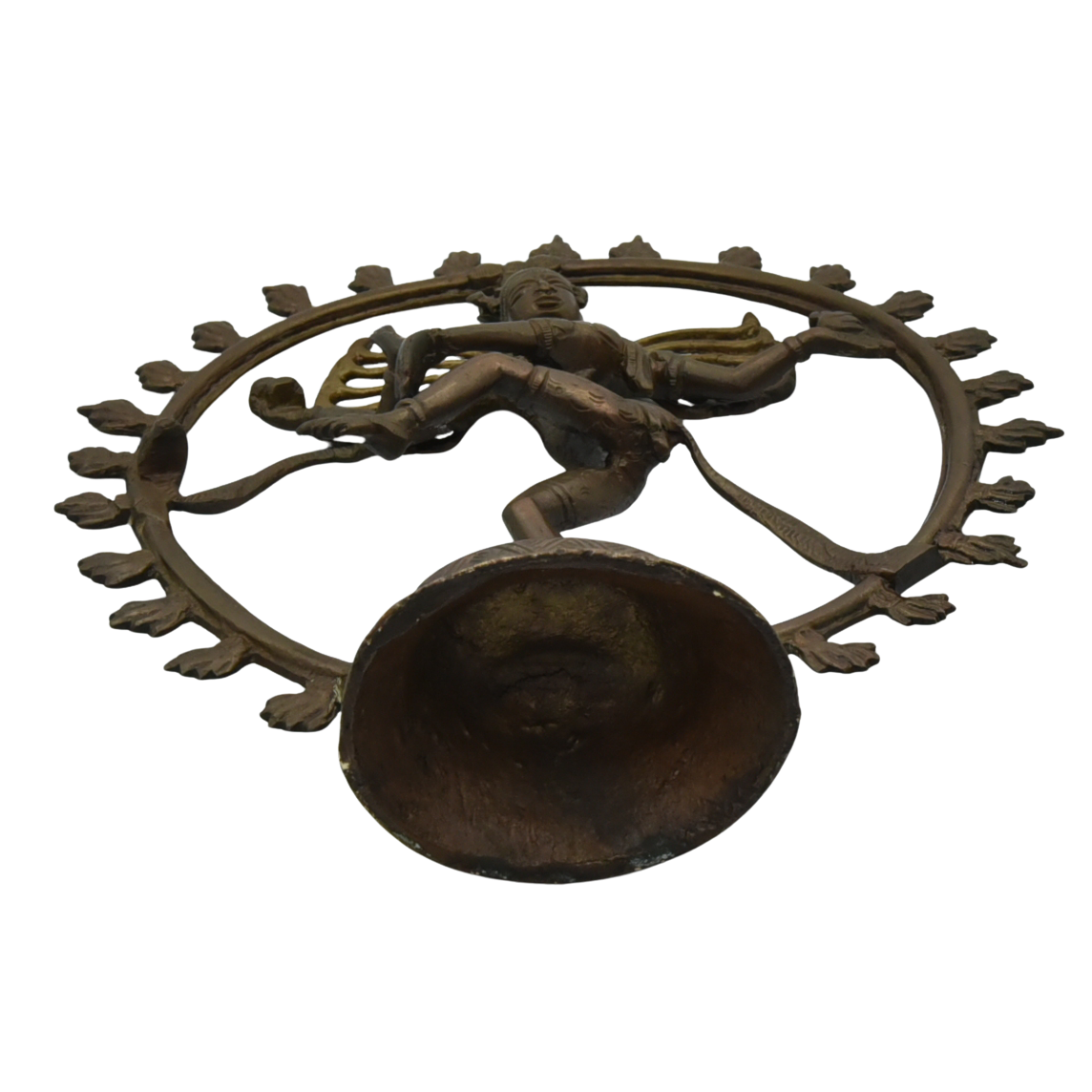
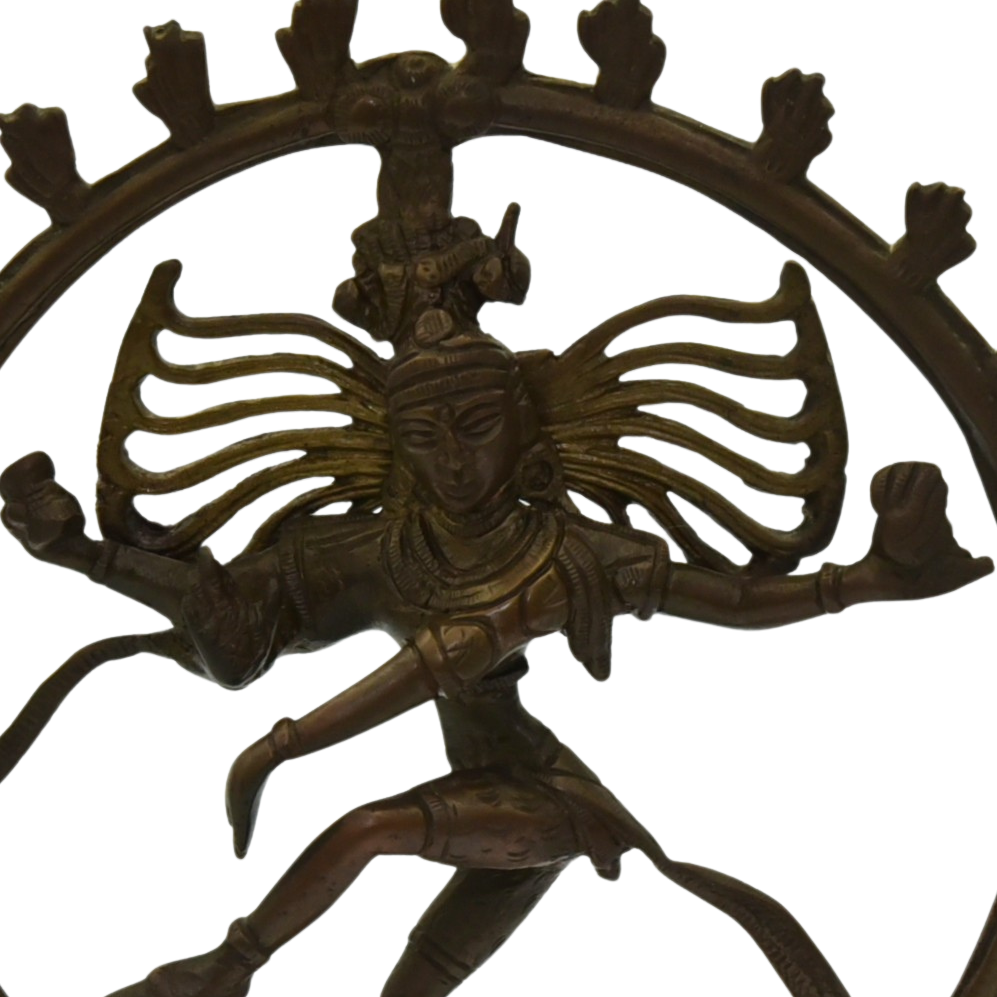
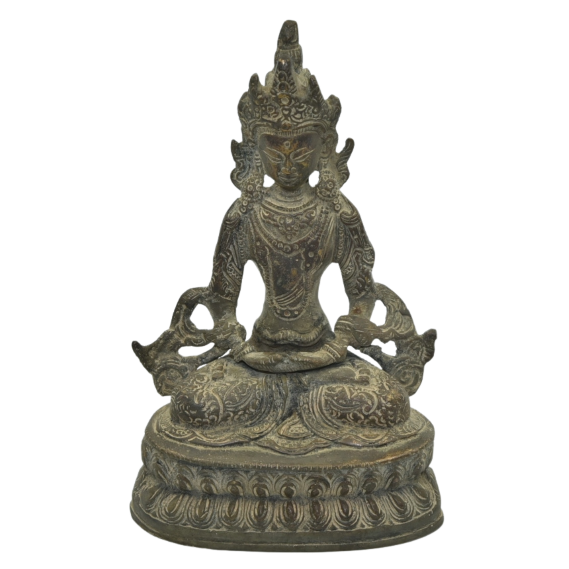
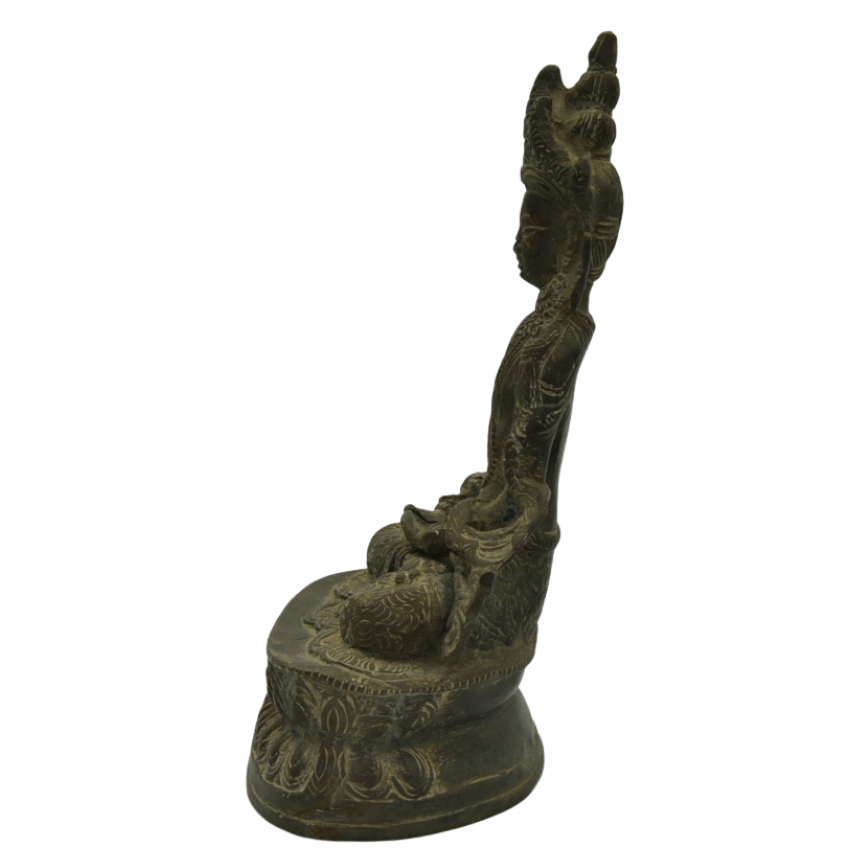
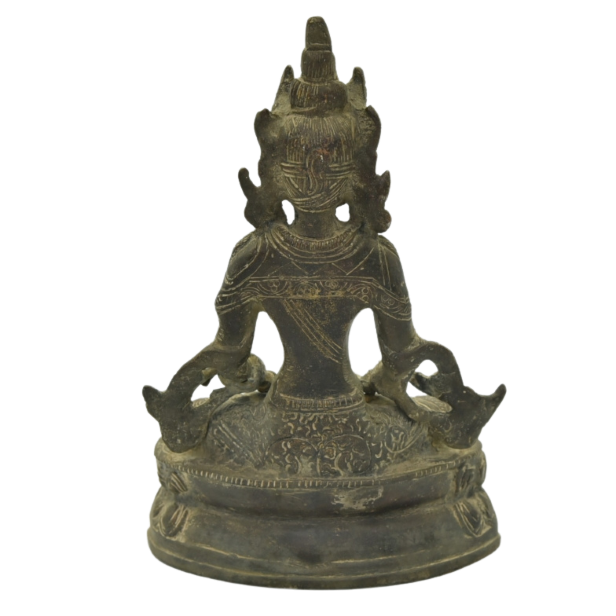
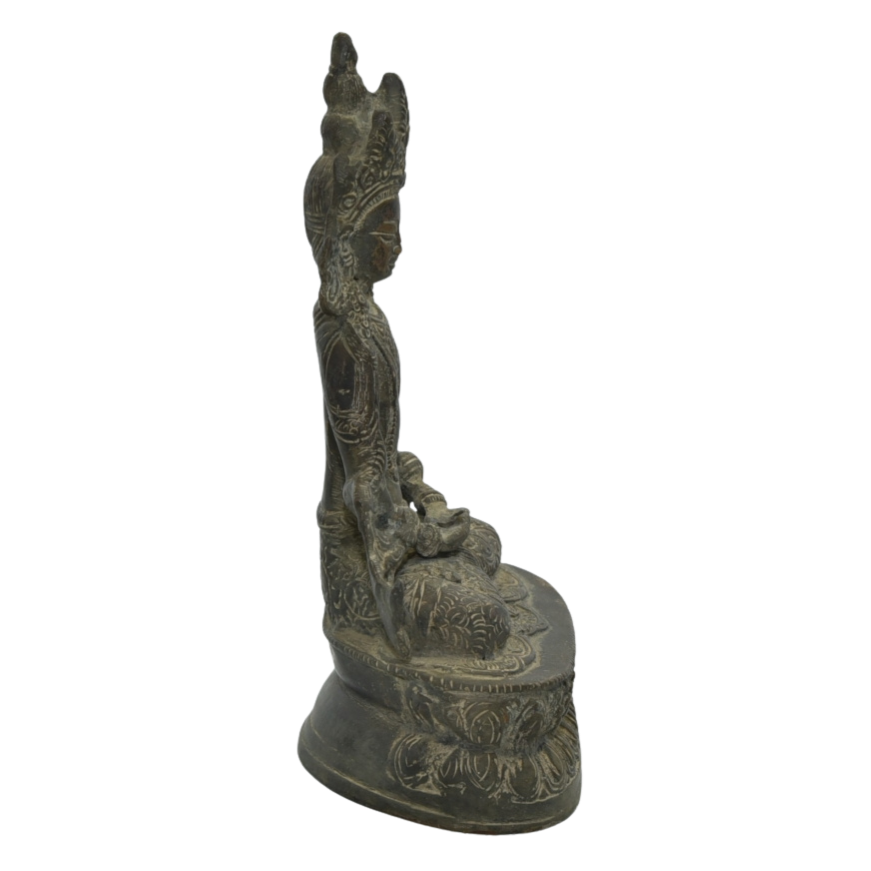
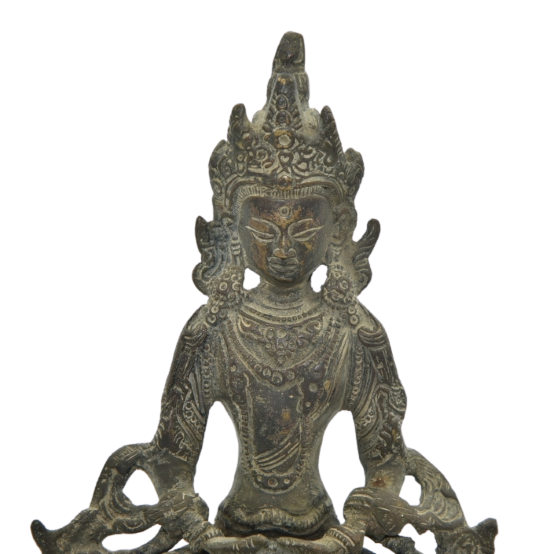
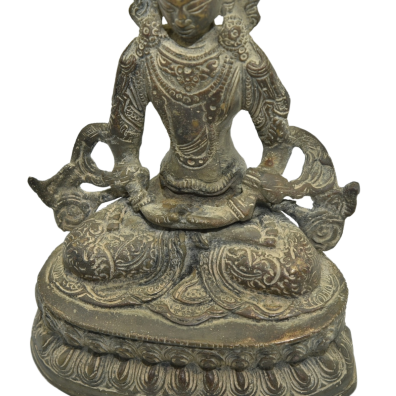
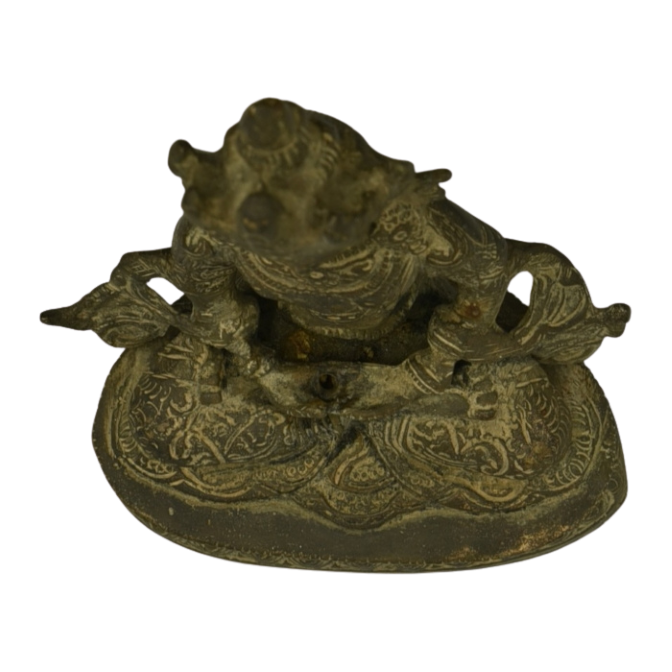
This rare hand-cast bronze statue depicts a Guru figure seated in the Padmasana (lotus position). The figure wears a simple cloth around the waist and features a strand of meditation beads (mala) around the neck. On the back are two snakes, which could relate to Hindu Shaivism. The bronze has developed a natural, dark patina.
This piece was produced using the lost wax casting method, a technique traditional to South Asian bronze sculpture for centuries. The specific depiction of the figure, likely a specific Hindu guru or saint, was common during the colonial and post-colonial era, often commissioned for private devotion or local temples. The style reflects a mix of traditional iconography with slightly simplified or regional sculptural characteristics common to the period of manufacture. It was likely acquired by a collector in the early 20th century
Date: late 19th to early 20th century
Geography: India
Dimensions: 8cm H x 4.5cm L x 3cm W.
Weight 155g
Material: bronze alloy
Condition is good for its age, see photos
This rare hand-cast bronze statue depicts a Guru figure seated in the Padmasana (lotus position). The figure wears a simple cloth around the waist and features a strand of meditation beads (mala) around the neck. On the back are two snakes, which could relate to Hindu Shaivism. The bronze has developed a natural, dark patina.
This piece was produced using the lost wax casting method, a technique traditional to South Asian bronze sculpture for centuries. The specific depiction of the figure, likely a specific Hindu guru or saint, was common during the colonial and post-colonial era, often commissioned for private devotion or local temples. The style reflects a mix of traditional iconography with slightly simplified or regional sculptural characteristics common to the period of manufacture. It was likely acquired by a collector in the early 20th century


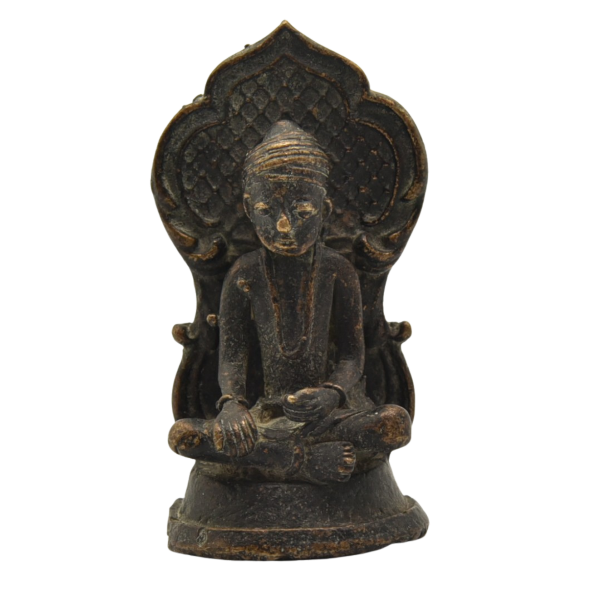 Image 1 of 6
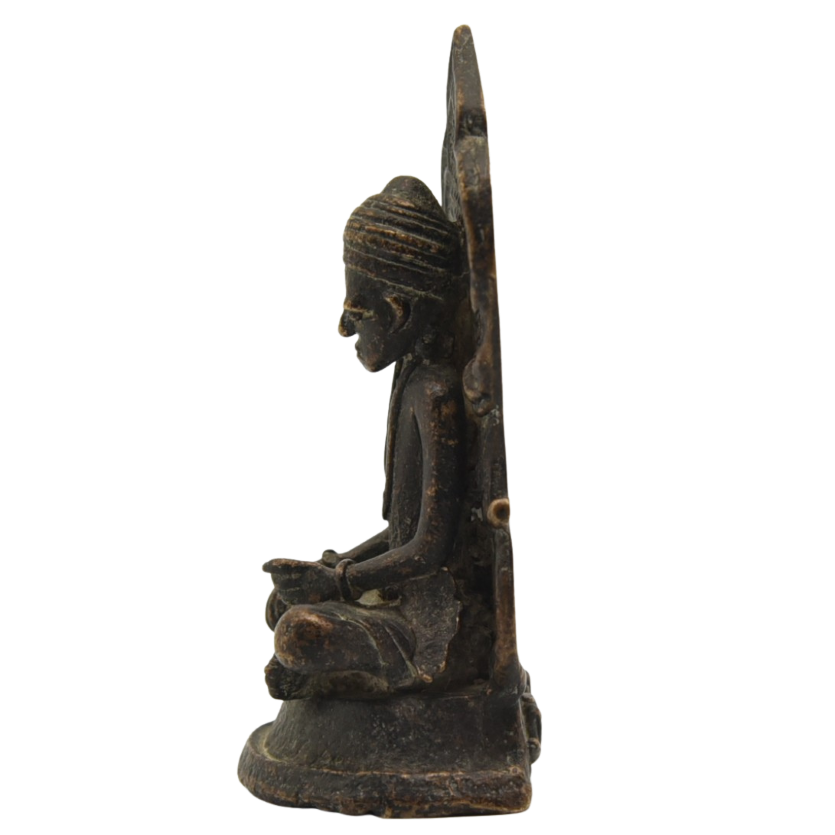 Image 2 of 6
 Image 3 of 6
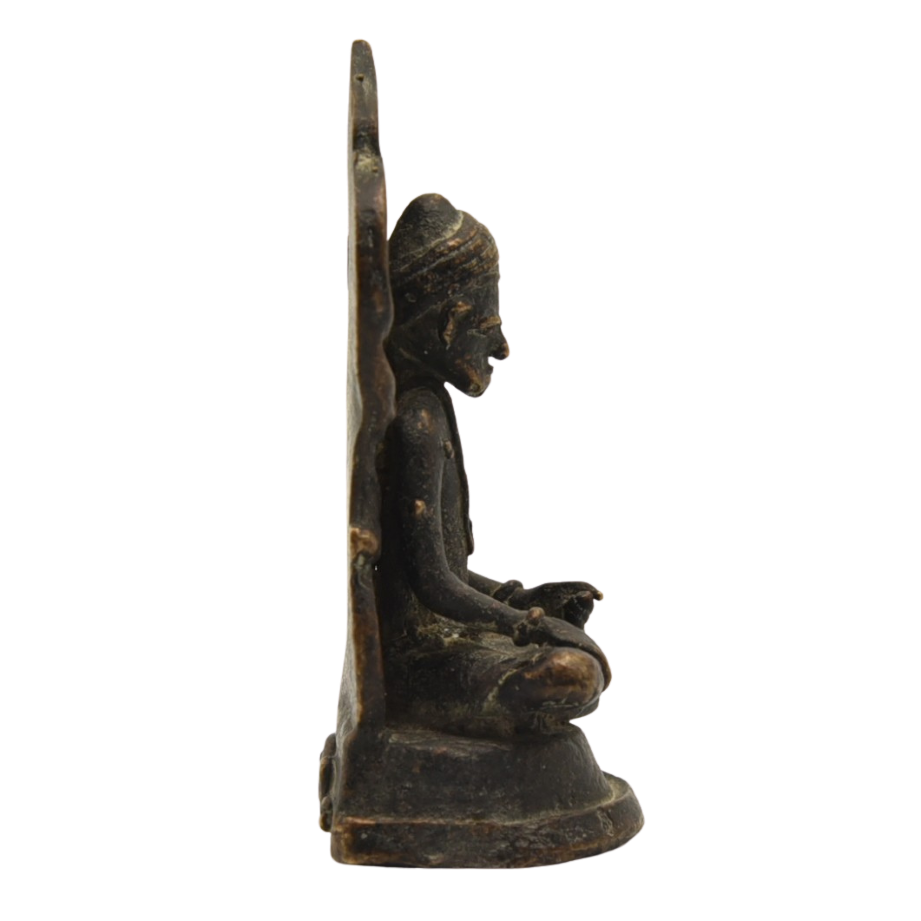 Image 4 of 6
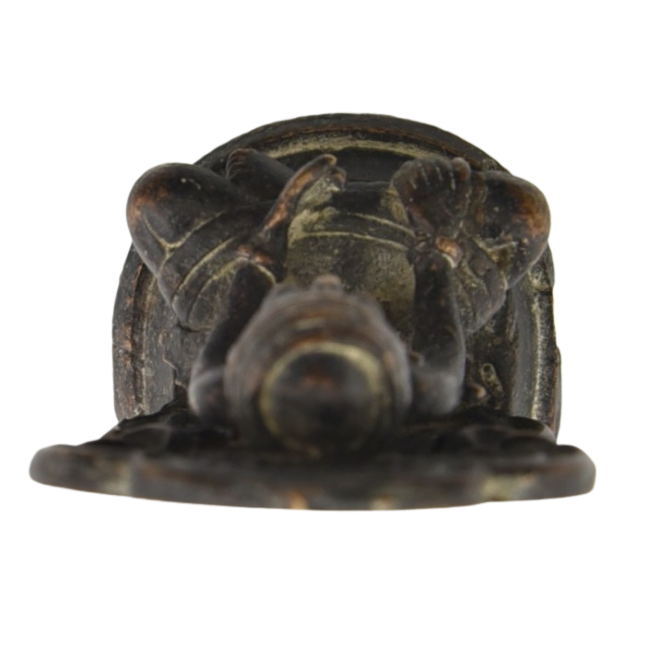 Image 5 of 6
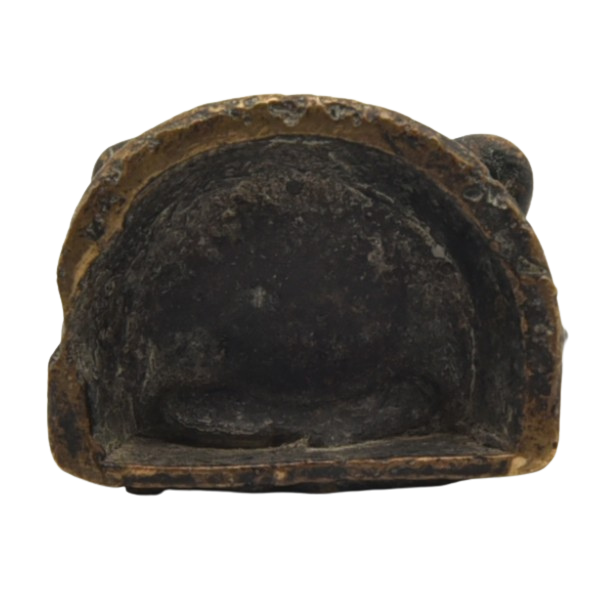 Image 6 of 6