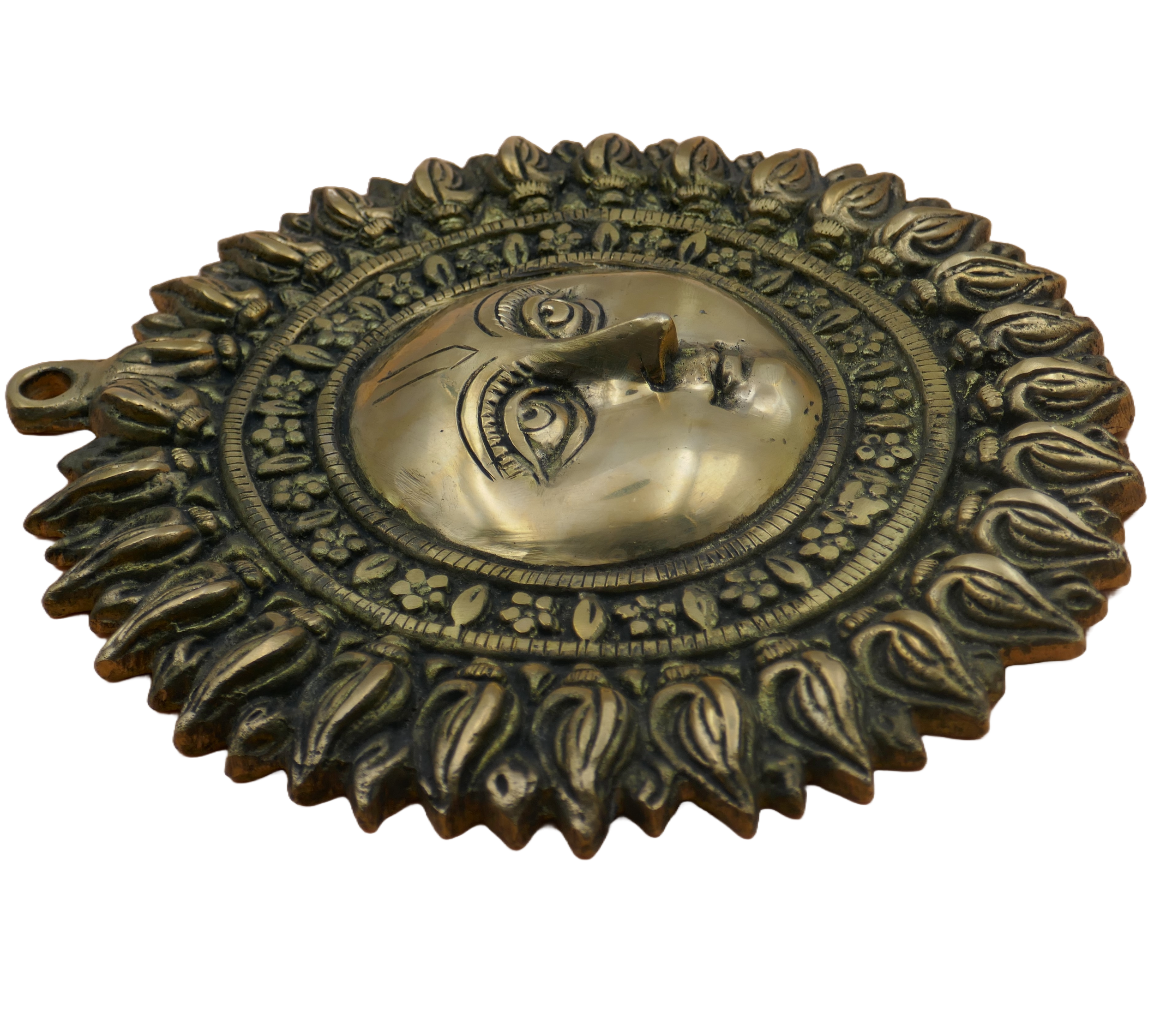
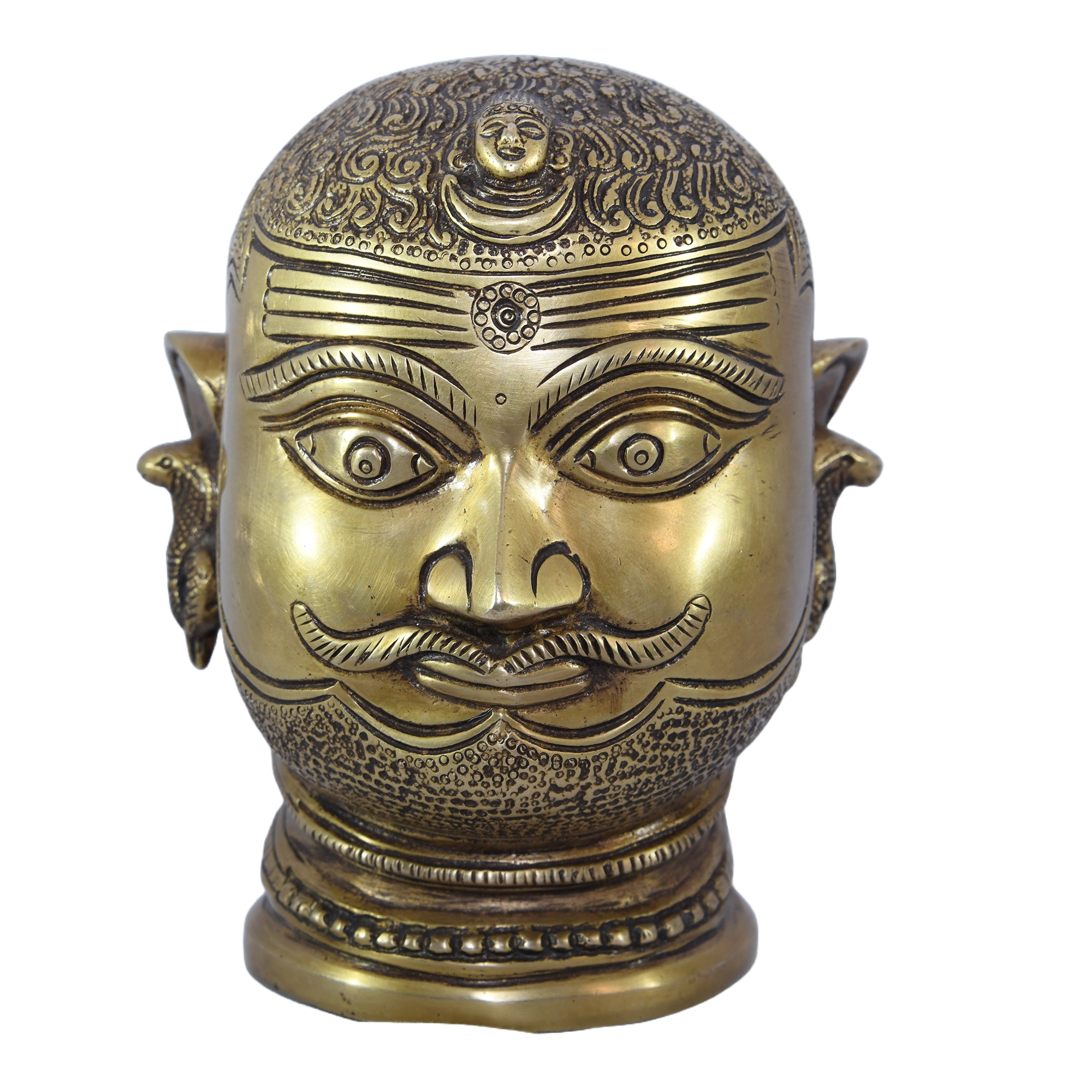
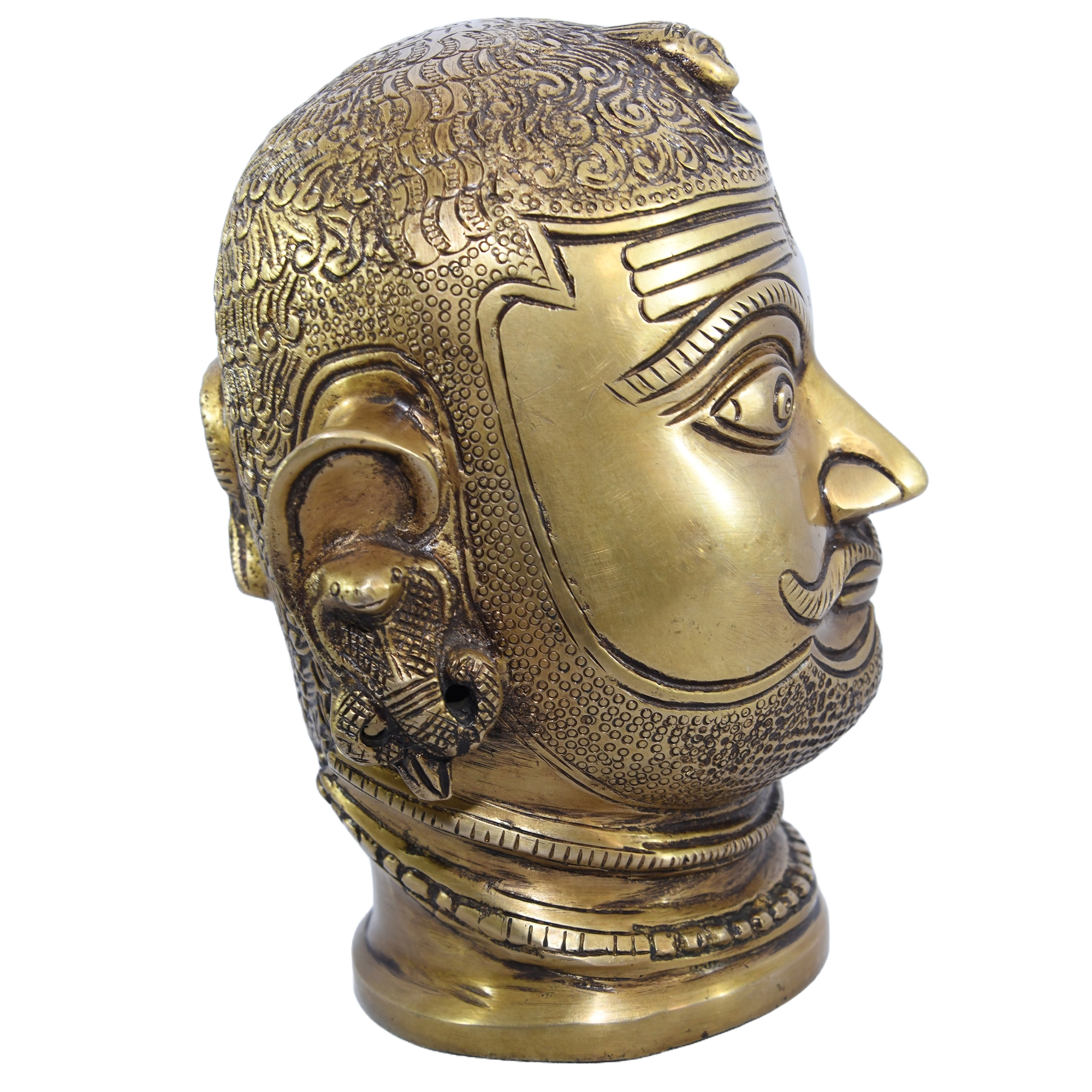
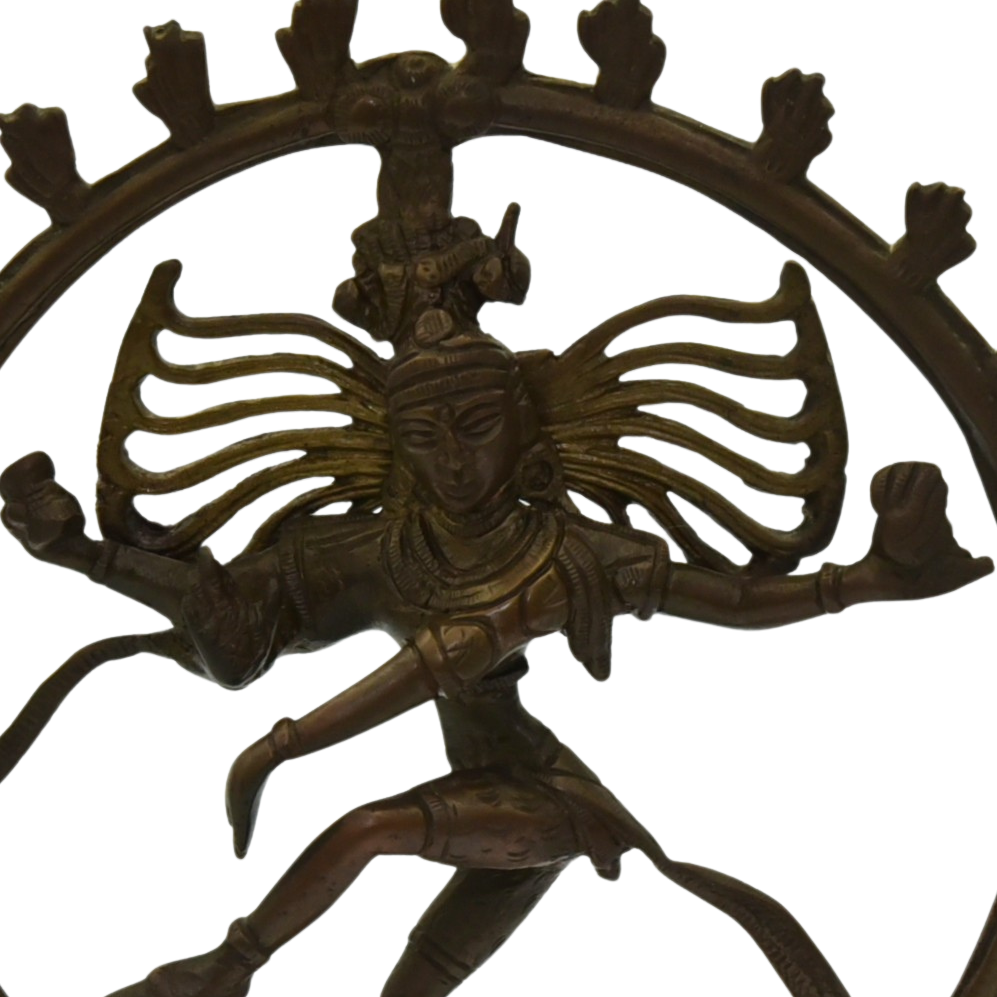
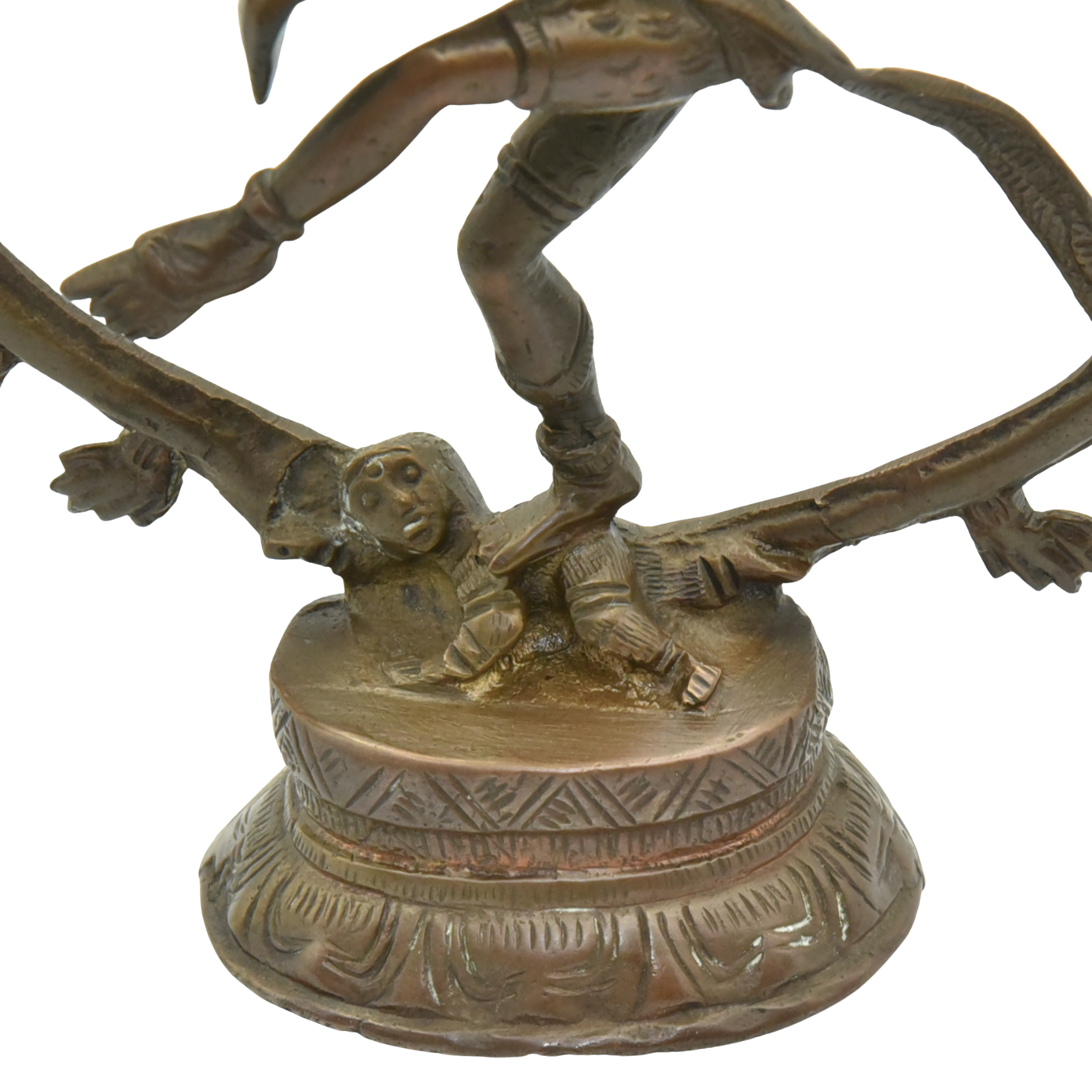
Date: Late 19th to early 20th century
Geography: India
Dimensions:19cm H x 15cm W x 12cm D
Weight: 1.854kg
Material: Bronze
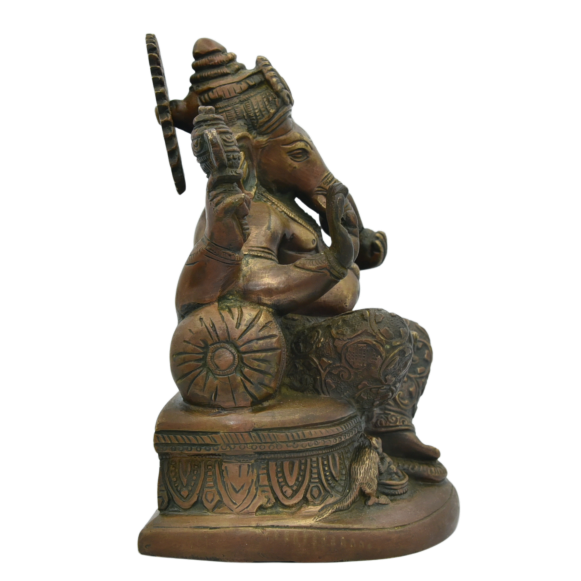
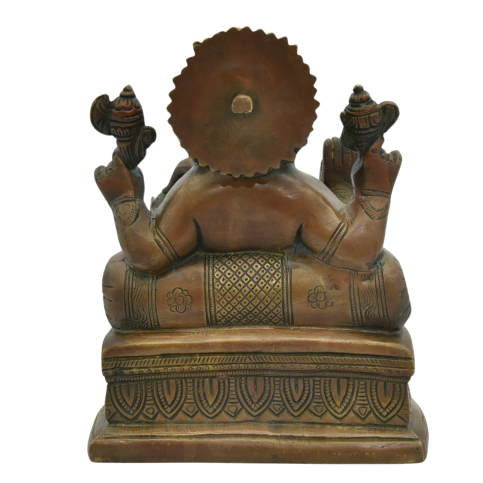
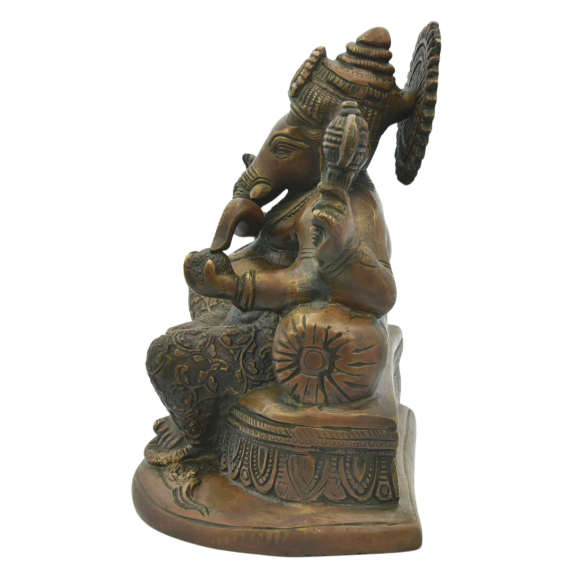
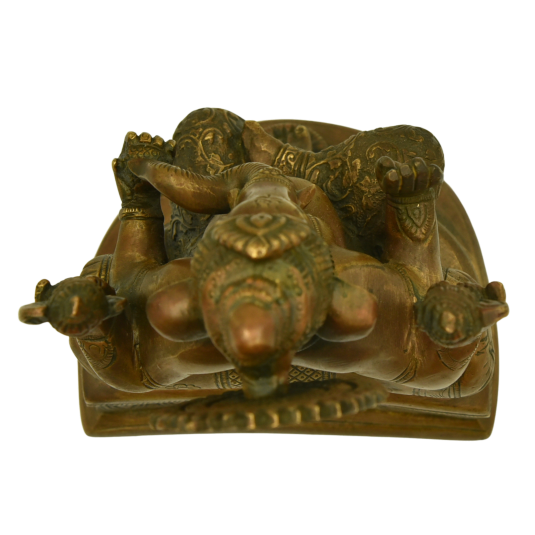
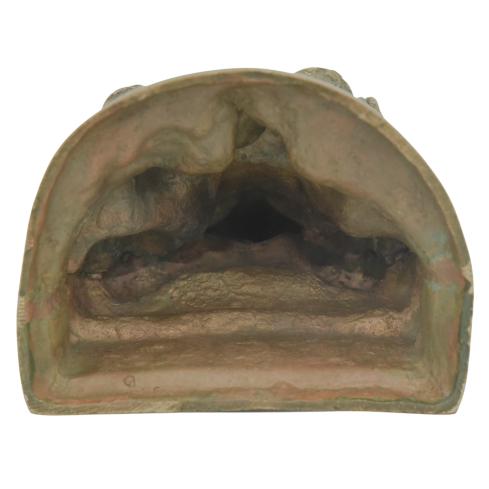
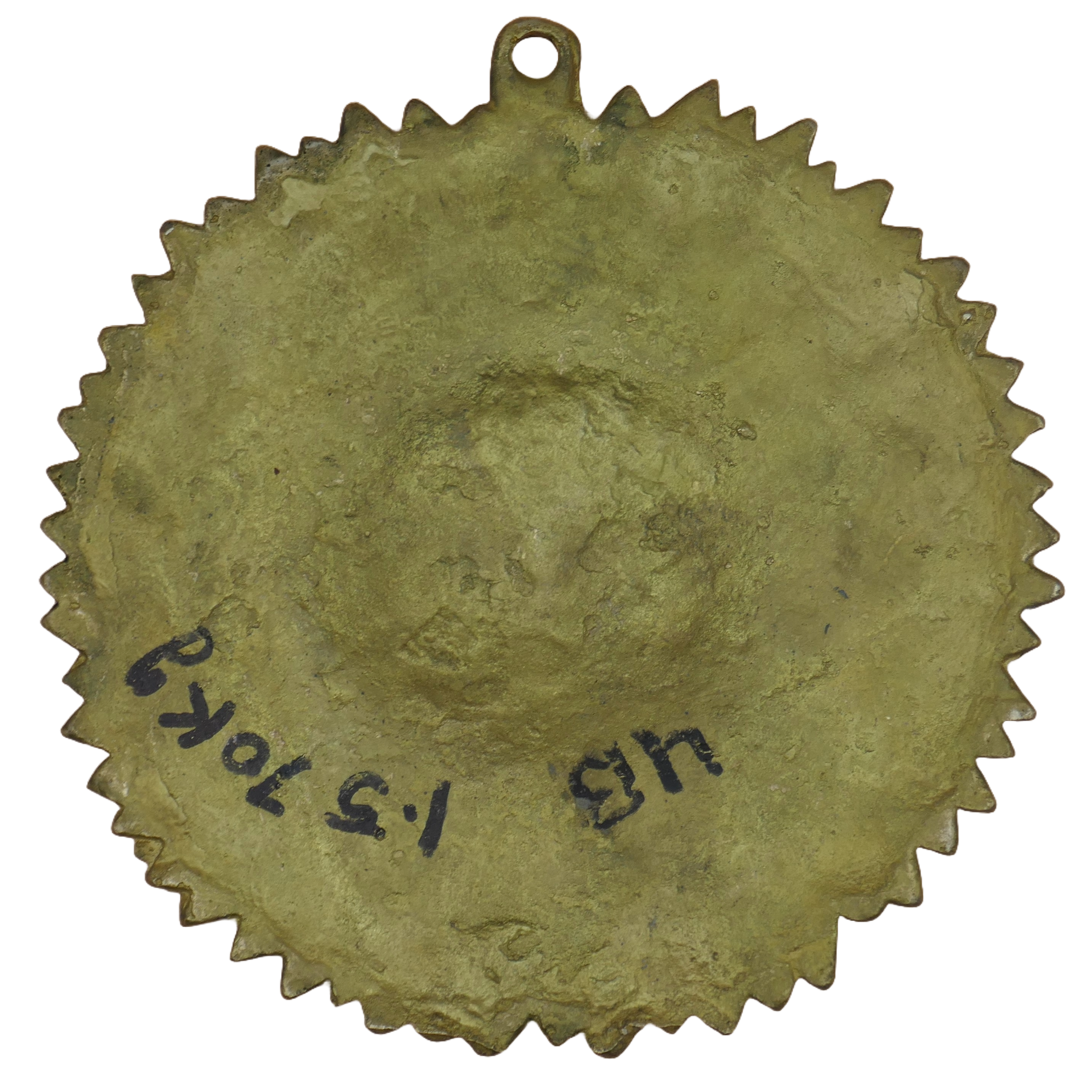
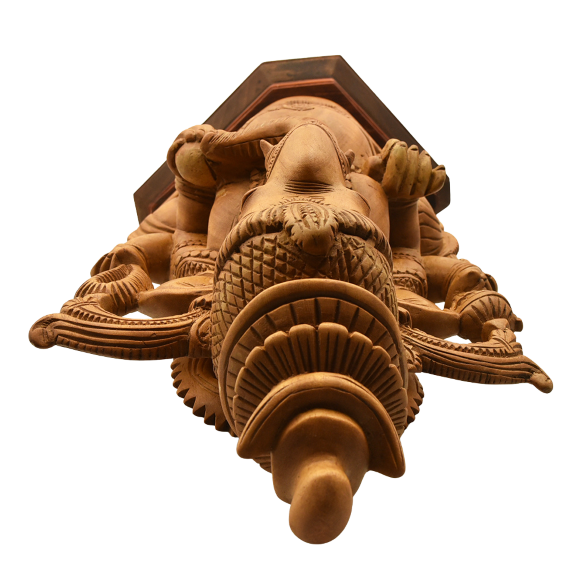
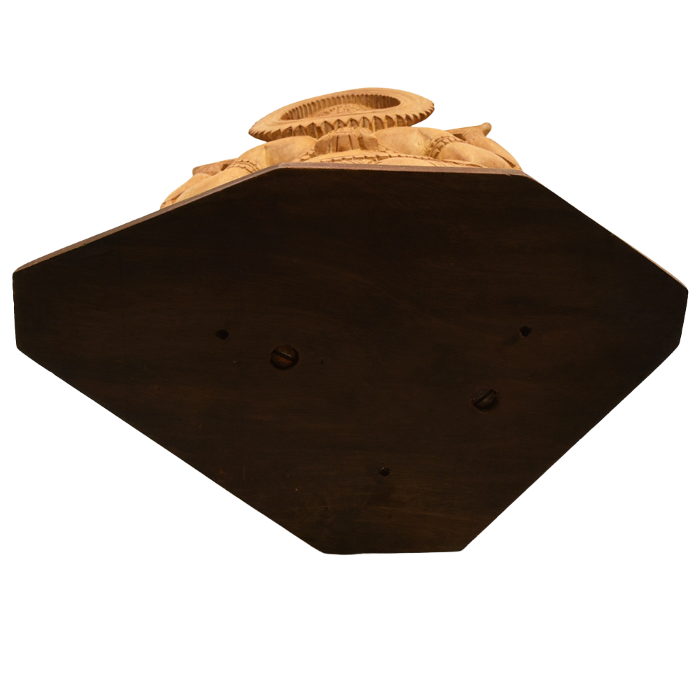
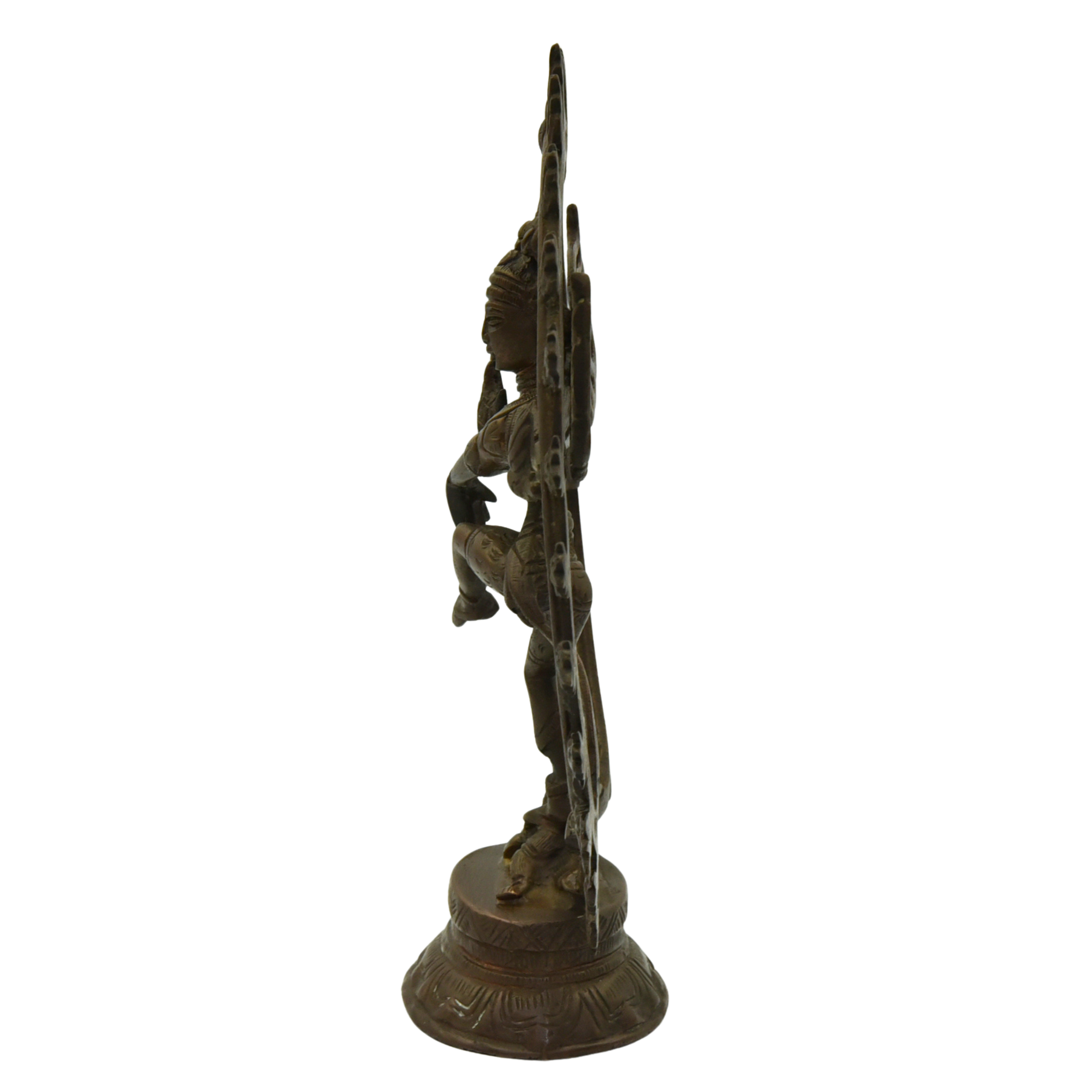
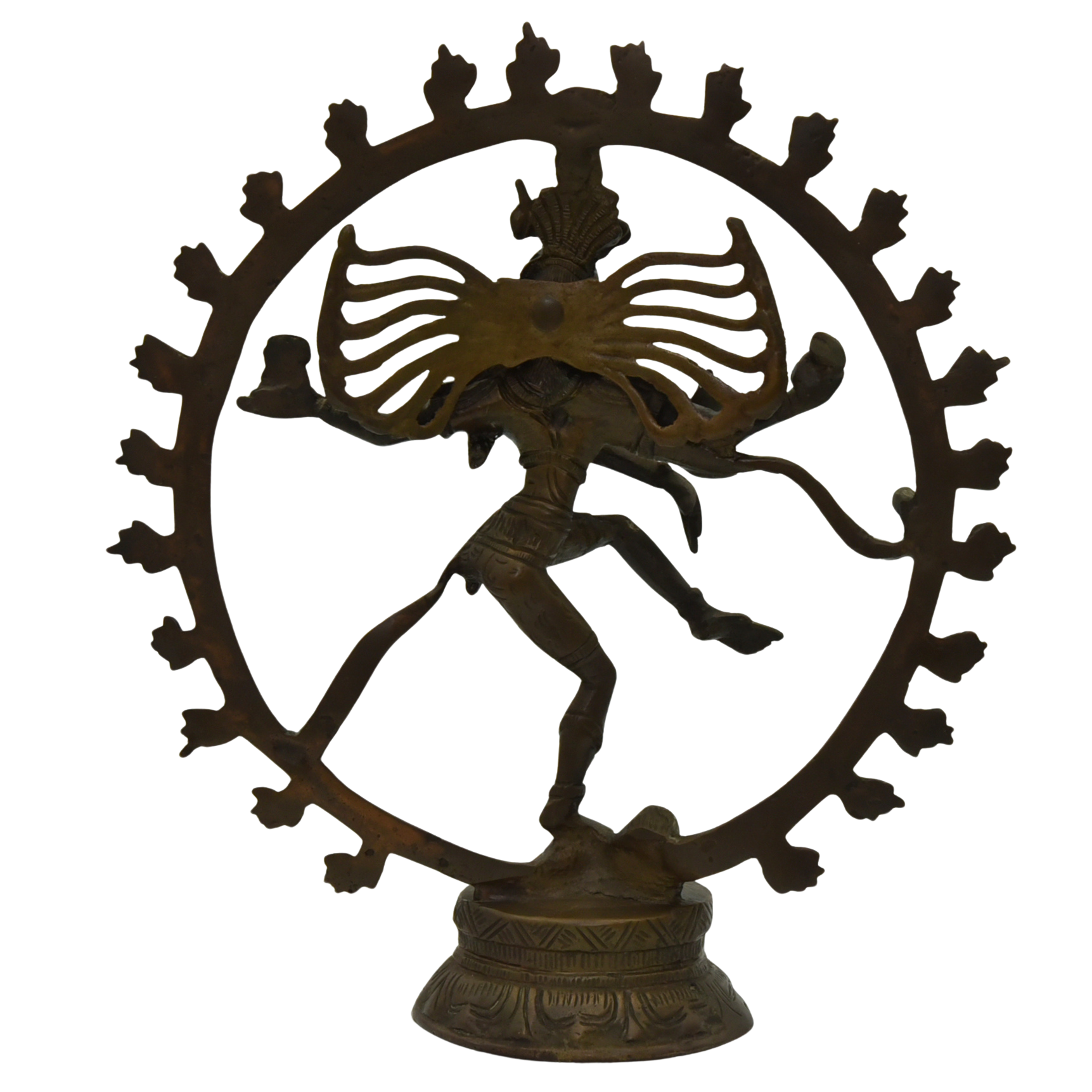
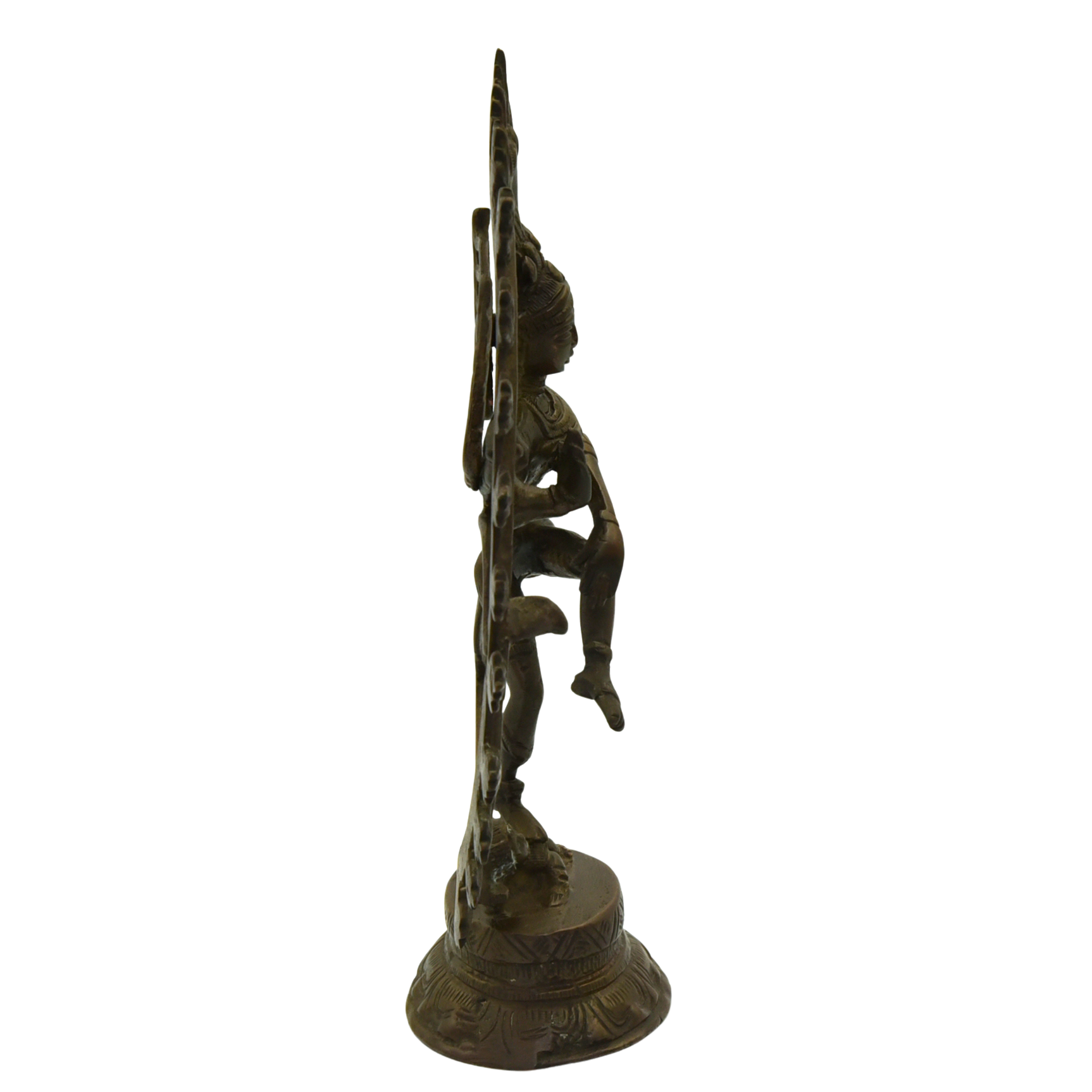
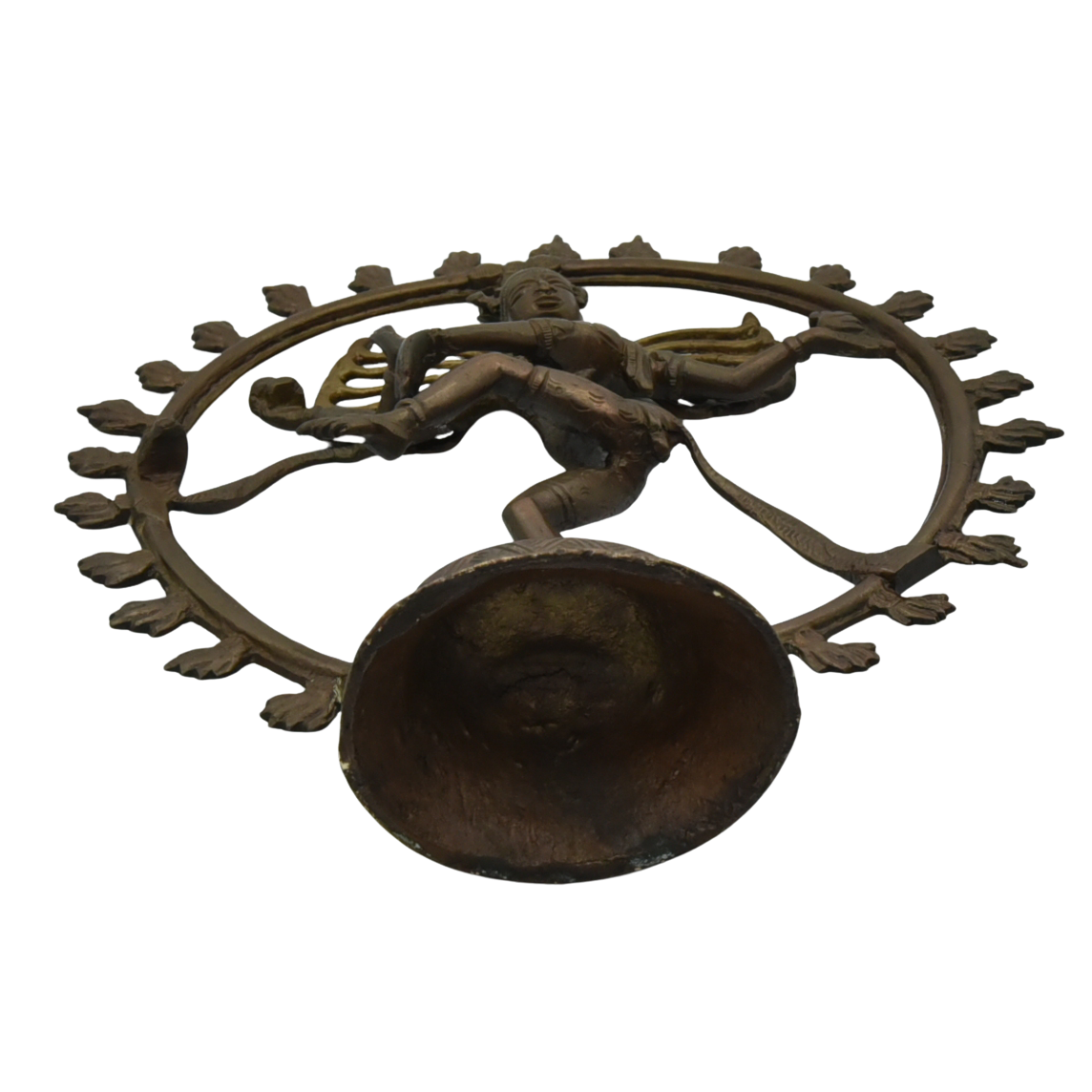
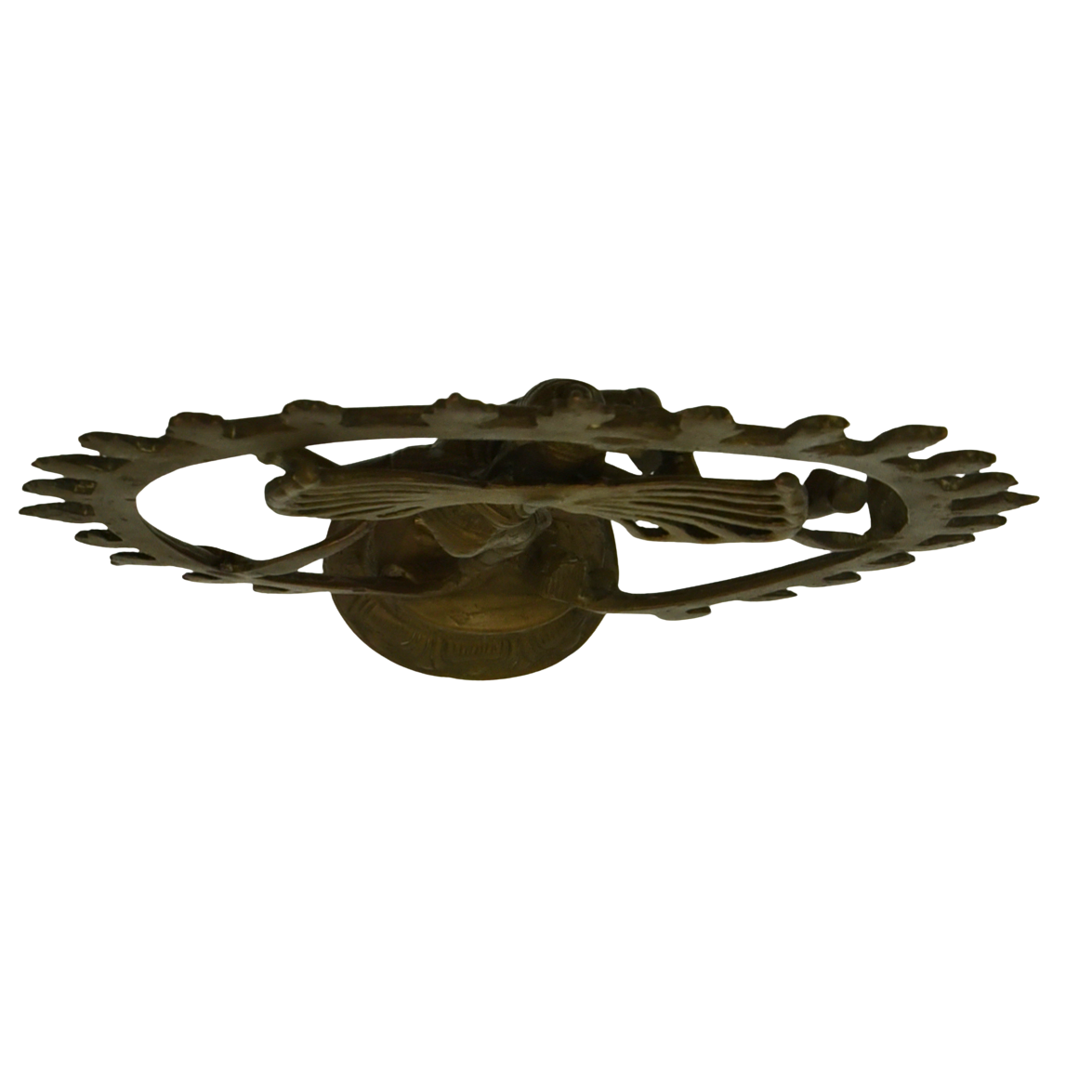
Condition: very good for its age - see photos
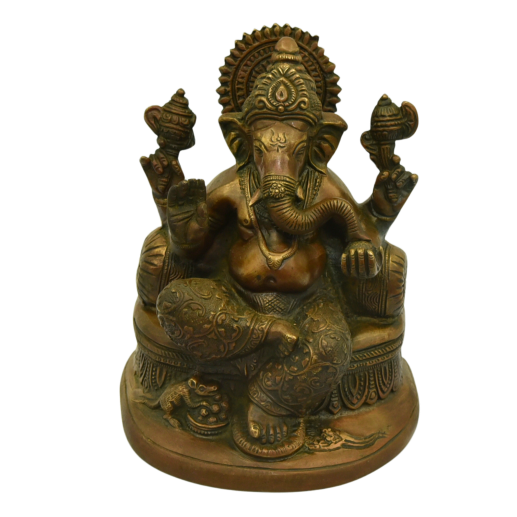
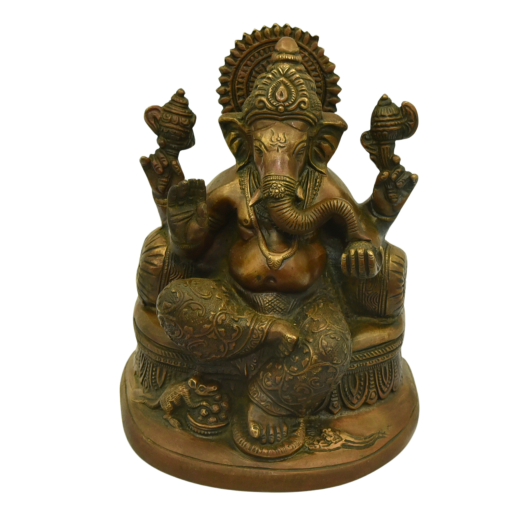
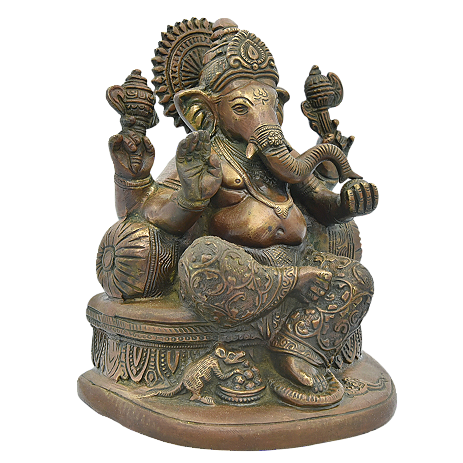
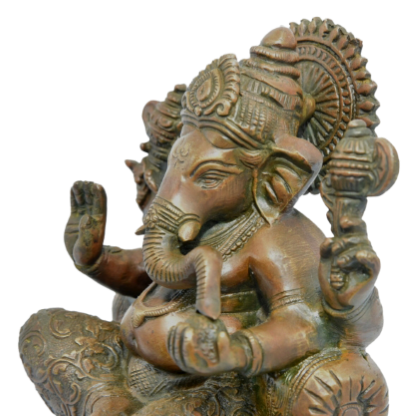
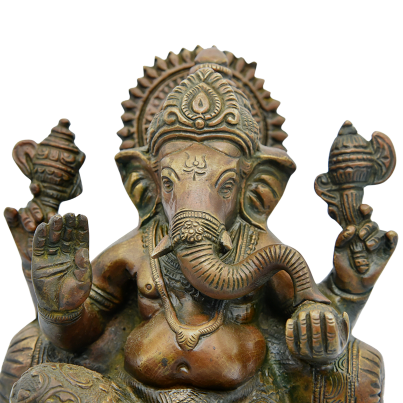
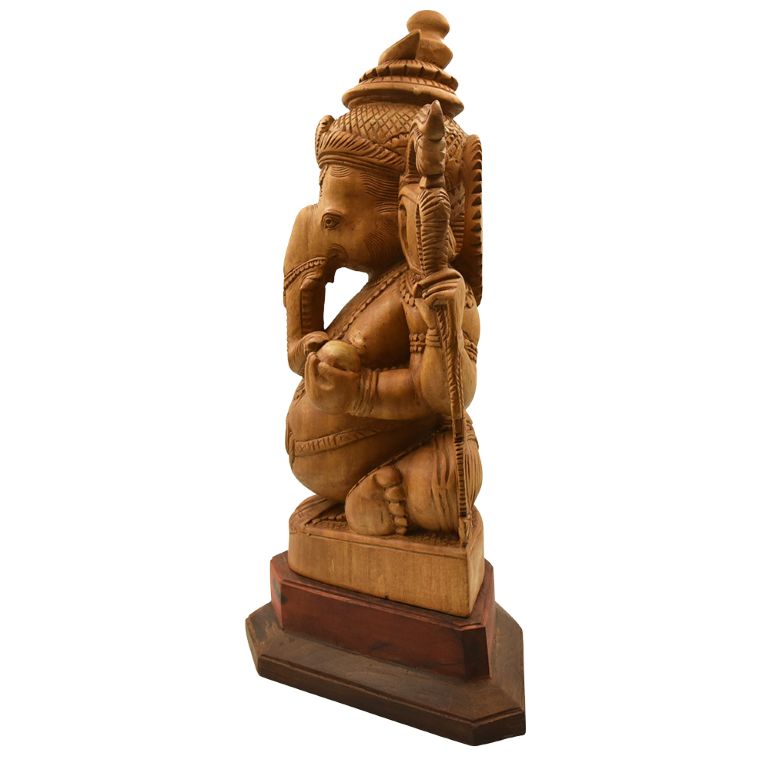
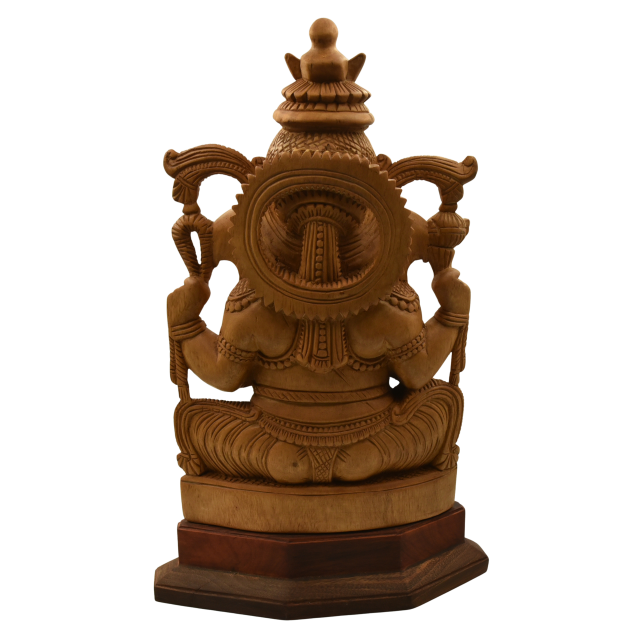
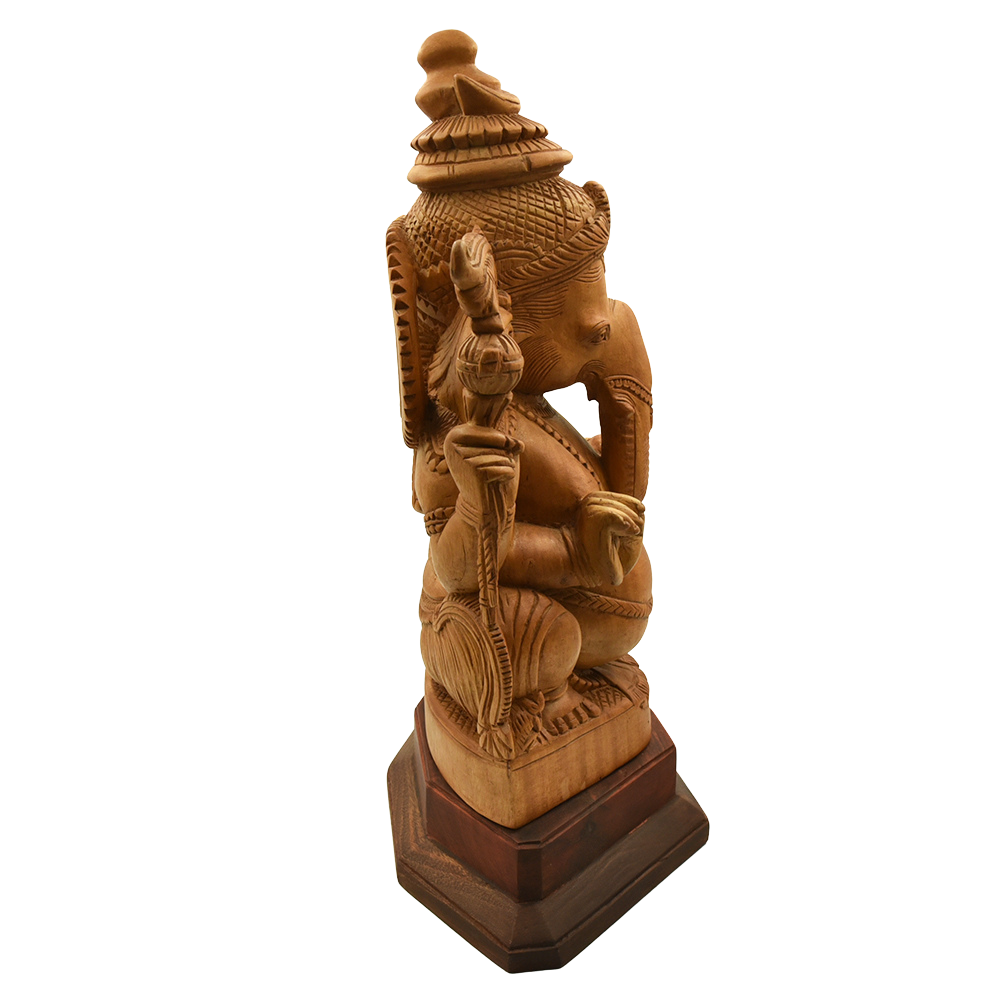
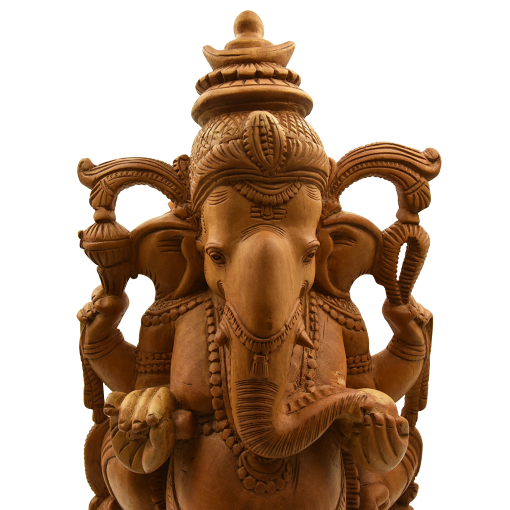
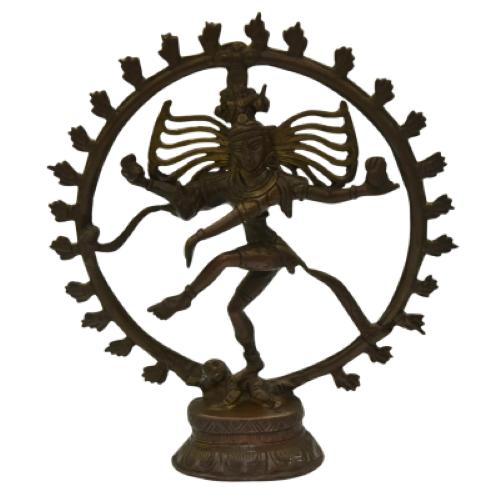
This Swamimalai Chola style hand-cast bronze statue of the Dancing Ganesha is manufactured using the traditional lost wax technique. This specific representation of the elephant-headed deity captures a posture of balance and cosmic harmony, serving as a visual blueprint for spiritual and worldly discipline.
The physical attributes of the figure convey specific functional meanings. The large head represents the capacity for expansive thought, while the small eyes indicate the necessity for deep concentration. The large ears signify the importance of listening, contrasted with a small mouth to encourage minimal speech. The Trunk facing right represents the Sun (Pingala Nadi), signifying masculine power and fiery energy,
In his trunk he holds a Kalash (Water Pot) filled with nectar or holy water, symbolising divine energy, purity, and the source of life. The large stomach represents the capacity to digest all life experiences, both positive and negative, with equanimity.
Ganesha, standing on a lotus signifies being in the world but not of it. The Lesson: It encourages the devotee to live among the "mud" of daily stressors, ego, and material desires without letting them soil one's inner purity or peace.
The deity is depicted with four arms, each carrying a specific tool or symbol.
Top Left Hand: The Pasha (noose) is used to snare worldly delusions. It is designed to draw the practitioner toward spiritual truth by binding obstacles and reining in a restless mind to maintain focus.
Bottom Left Hand: The Modak is a sweet dumpling representing spiritual knowledge (Jnana) and liberation (Moksha). The firm exterior signifies worldly discipline, while the interior filling represents the joy of self-realisation.
Top Right Hand: The Parashu (axe) is an instrument for the severance of ego and earthly attachments. It is intended to cut through ignorance and clear the path toward enlightenment.
Bottom Right Hand: The broken tusk symbolises sacrifice and the prioritisation of intellect over ego. It refers to the transcription of the Mahabharata, illustrating that the pursuit of knowledge is more significant than physical perfection.
The Dancing Ganesha form represents divine joy and rhythmic order within the universe. As the remover of obstacles, this bronze casting serves as a focal point for those seeking to overcome difficulties through the application of dharma. The use of the Swamimalai casting process ensures a solid metal construction with precise iconographic details. This statue is a functional tool for meditation and a durable example of traditional metalwork, intended for those who value historical accuracy and symbolic depth in spiritual iconography. Each element is purposefully placed to remind the observer of the balance between inner discipline and external action.
Provenance
This piece was formerly part of the McAllister Collection, curated by Professor J. Gilbert and Cora McAllister. Professor McAllister served as Emeritus Professor in Anthropology at the University of Texas, and the couple was noted for their extensive and scholarly assembly of Asian art.
www.naturallycrafted.co.uk/blog/lord-ganesha-the-elephant-headed-hindu-god
Date: Late 19th to early 20th century
Geography: India
Dimensions:19cm H x 15cm W x 12cm D
Weight: 1.854kg
Material: Bronze
Condition: very good for its age - see photos
This Swamimalai Chola style hand-cast bronze statue of the Dancing Ganesha is manufactured using the traditional lost wax technique. This specific representation of the elephant-headed deity captures a posture of balance and cosmic harmony, serving as a visual blueprint for spiritual and worldly discipline.
The physical attributes of the figure convey specific functional meanings. The large head represents the capacity for expansive thought, while the small eyes indicate the necessity for deep concentration. The large ears signify the importance of listening, contrasted with a small mouth to encourage minimal speech. The Trunk facing right represents the Sun (Pingala Nadi), signifying masculine power and fiery energy,
In his trunk he holds a Kalash (Water Pot) filled with nectar or holy water, symbolising divine energy, purity, and the source of life. The large stomach represents the capacity to digest all life experiences, both positive and negative, with equanimity.
Ganesha, standing on a lotus signifies being in the world but not of it. The Lesson: It encourages the devotee to live among the "mud" of daily stressors, ego, and material desires without letting them soil one's inner purity or peace.
The deity is depicted with four arms, each carrying a specific tool or symbol.
Top Left Hand: The Pasha (noose) is used to snare worldly delusions. It is designed to draw the practitioner toward spiritual truth by binding obstacles and reining in a restless mind to maintain focus.
Bottom Left Hand: The Modak is a sweet dumpling representing spiritual knowledge (Jnana) and liberation (Moksha). The firm exterior signifies worldly discipline, while the interior filling represents the joy of self-realisation.
Top Right Hand: The Parashu (axe) is an instrument for the severance of ego and earthly attachments. It is intended to cut through ignorance and clear the path toward enlightenment.
Bottom Right Hand: The broken tusk symbolises sacrifice and the prioritisation of intellect over ego. It refers to the transcription of the Mahabharata, illustrating that the pursuit of knowledge is more significant than physical perfection.
The Dancing Ganesha form represents divine joy and rhythmic order within the universe. As the remover of obstacles, this bronze casting serves as a focal point for those seeking to overcome difficulties through the application of dharma. The use of the Swamimalai casting process ensures a solid metal construction with precise iconographic details. This statue is a functional tool for meditation and a durable example of traditional metalwork, intended for those who value historical accuracy and symbolic depth in spiritual iconography. Each element is purposefully placed to remind the observer of the balance between inner discipline and external action.
Provenance
This piece was formerly part of the McAllister Collection, curated by Professor J. Gilbert and Cora McAllister. Professor McAllister served as Emeritus Professor in Anthropology at the University of Texas, and the couple was noted for their extensive and scholarly assembly of Asian art.
www.naturallycrafted.co.uk/blog/lord-ganesha-the-elephant-headed-hindu-god


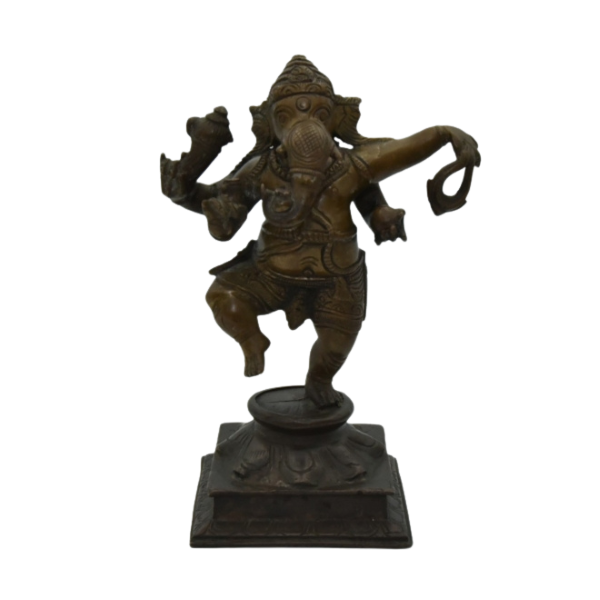 Image 1 of 9
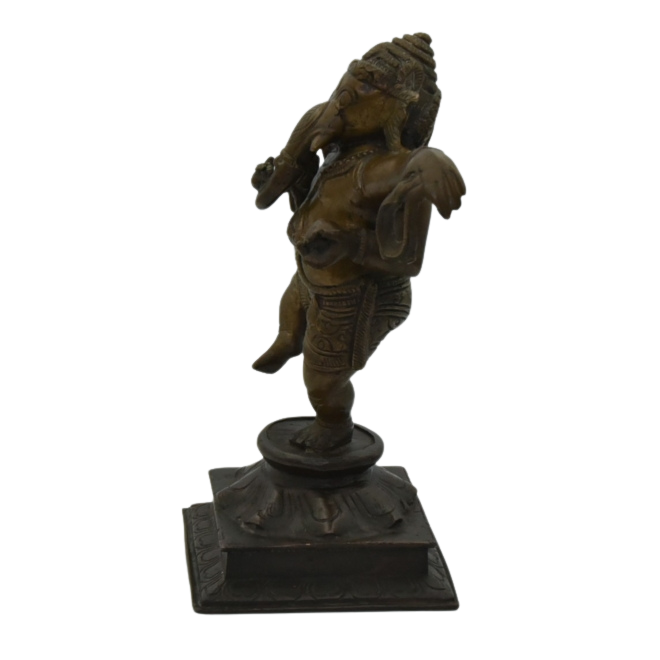 Image 2 of 9
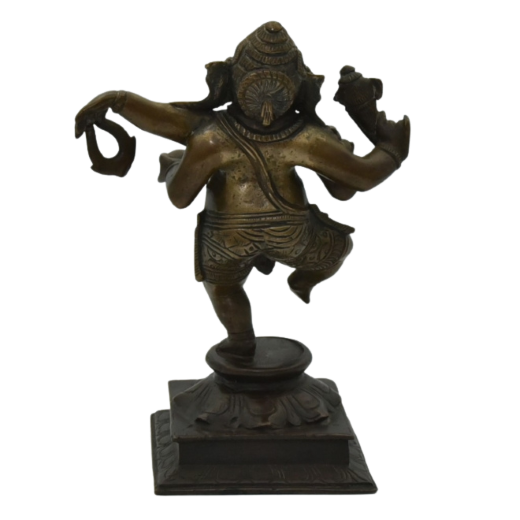 Image 3 of 9
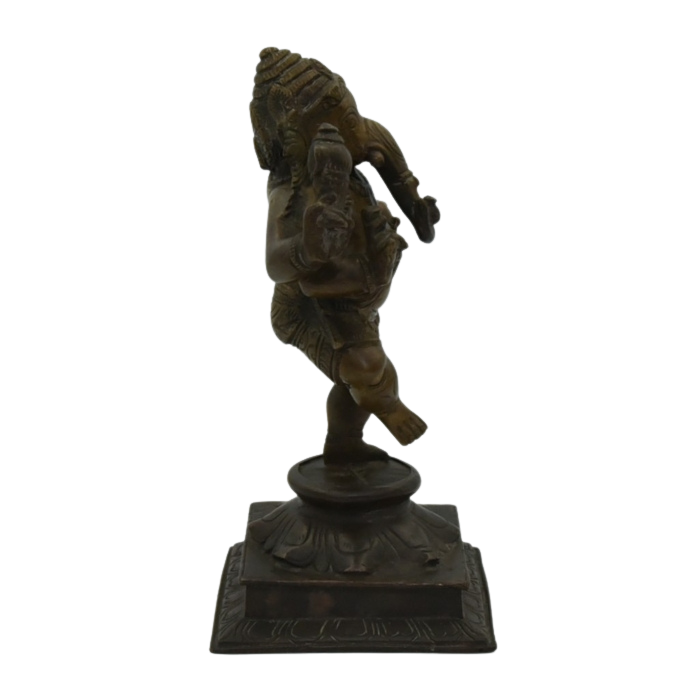 Image 4 of 9
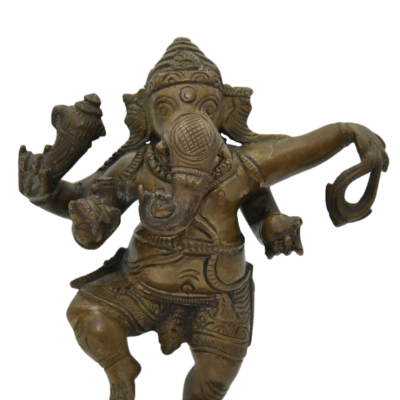 Image 5 of 9
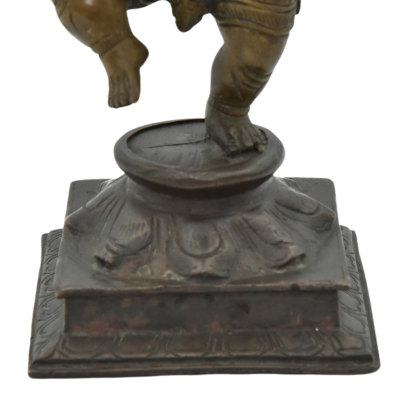 Image 6 of 9
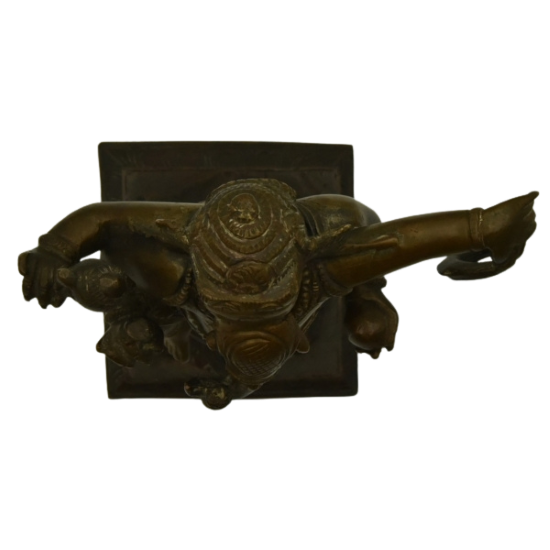 Image 7 of 9
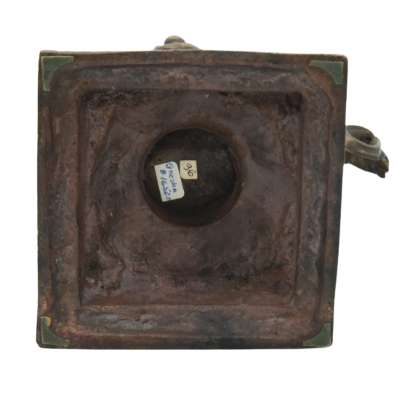 Image 8 of 9
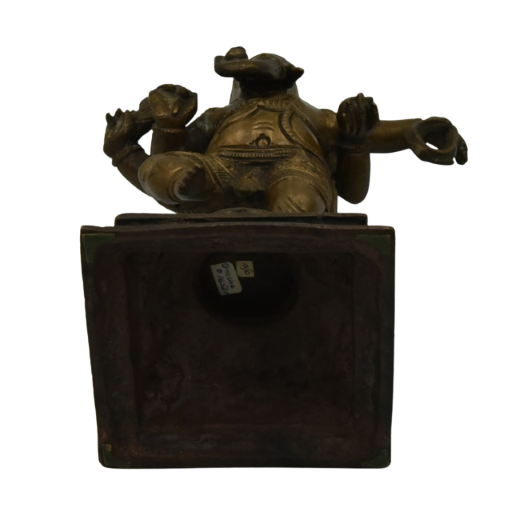 Image 9 of 9