Date: late 19th century
Geography: India
Dimensions: 19.5cm H x 7cm W x 9cm D
Weight: 822g
Material: bronze
Condition: very good - see photos
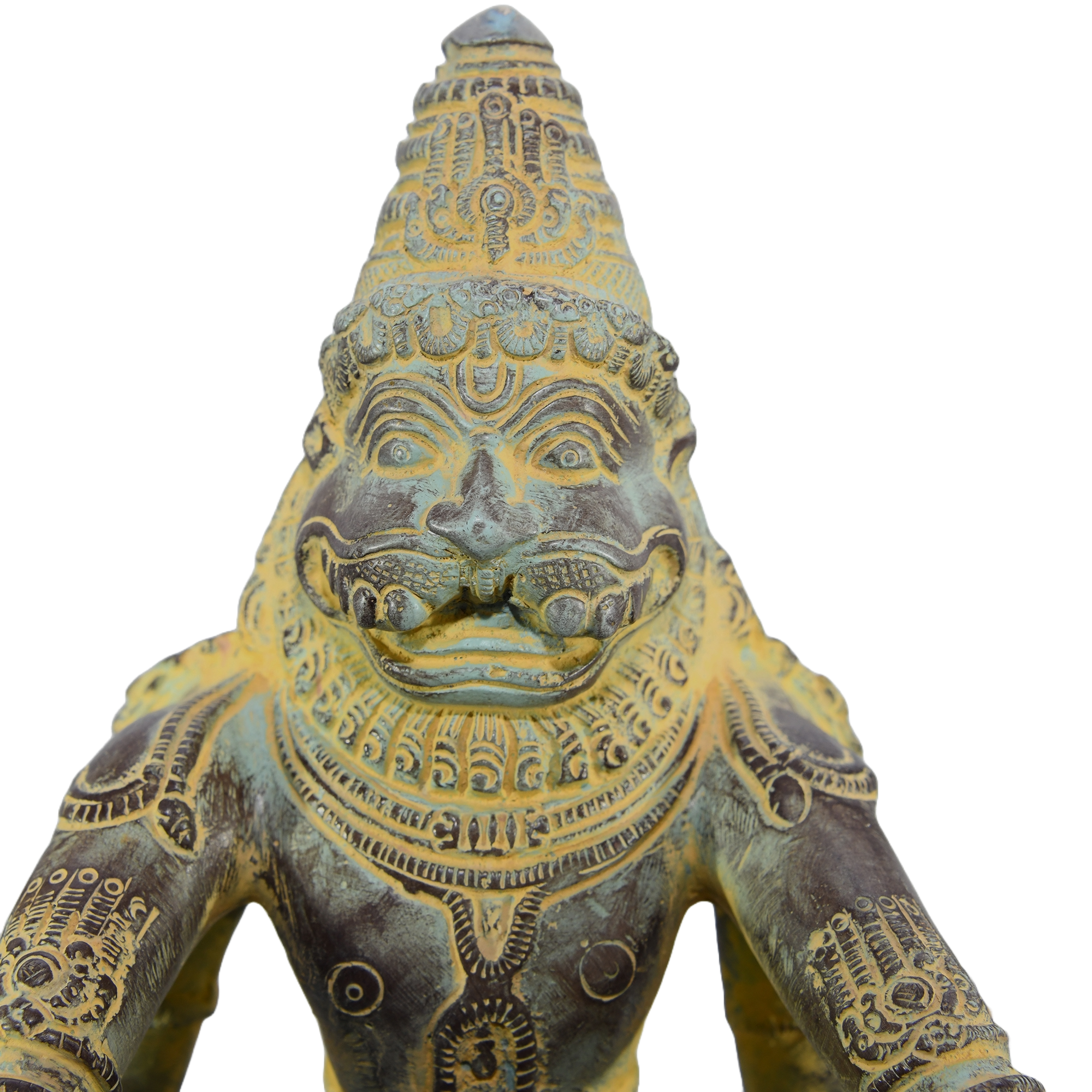
This 19th century Indian bronze incense holder was hand cast and made for use in Hindu temple worship pooja rituals. The holder features a figure of Parvati, one of the principal goddesses in Hinduism and the wife of Lord Shiva. A cobra shaped handle extends from the vessel, allowing it to be carried safely during religious ceremonies. The snake is closely associated with Shiva and reflects the connection between the divine couple in Hindu tradition.
Crafted from bronze using traditional casting methods, the incense holder was designed to hold burning dhoop incense sticks during acts of worship. During temple ceremonies, priests and devotees would carry the holder while offering prayers, moving it around shrines, sacred images, and worshippers. The rising smoke from the incense was believed to purify the surroundings and create a suitable environment for prayer and meditation.
In Hindu practice, incense plays an important role in daily worship. The smoke from natural dhoop incense sticks is traditionally viewed as carrying prayers and devotional offerings towards the divine. The fragrance helps create a focused atmosphere and forms part of the sensory experience of temple rituals.
The figure of Parvati represents devotion, family life, strength, and spiritual dedication. Her presence on this incense holder reflects the importance of divine feminine energy within Hindu belief and worship. The cobra handle adds both practical and symbolic value, linking the object to Shiva and reinforcing its religious purpose.
Today, this antique incense holder serves as both a functional ritual object and a historical example of Indian religious metalwork. It reflects the craftsmanship of traditional bronze casting and provides insight into the devotional practices of 19th century Hindu worship. It is suitable for collectors of Indian antiques, Hindu religious artefacts, and traditional temple objects.
Date: late 19th century
Geography: India
Dimensions: 19.5cm H x 7cm W x 9cm D
Weight: 822g
Material: bronze
Condition: very good - see photos
This 19th century Indian bronze incense holder was hand cast and made for use in Hindu temple worship pooja rituals. The holder features a figure of Parvati, one of the principal goddesses in Hinduism and the wife of Lord Shiva. A cobra shaped handle extends from the vessel, allowing it to be carried safely during religious ceremonies. The snake is closely associated with Shiva and reflects the connection between the divine couple in Hindu tradition.
Crafted from bronze using traditional casting methods, the incense holder was designed to hold burning dhoop incense sticks during acts of worship. During temple ceremonies, priests and devotees would carry the holder while offering prayers, moving it around shrines, sacred images, and worshippers. The rising smoke from the incense was believed to purify the surroundings and create a suitable environment for prayer and meditation.
In Hindu practice, incense plays an important role in daily worship. The smoke from natural dhoop incense sticks is traditionally viewed as carrying prayers and devotional offerings towards the divine. The fragrance helps create a focused atmosphere and forms part of the sensory experience of temple rituals.
The figure of Parvati represents devotion, family life, strength, and spiritual dedication. Her presence on this incense holder reflects the importance of divine feminine energy within Hindu belief and worship. The cobra handle adds both practical and symbolic value, linking the object to Shiva and reinforcing its religious purpose.
Today, this antique incense holder serves as both a functional ritual object and a historical example of Indian religious metalwork. It reflects the craftsmanship of traditional bronze casting and provides insight into the devotional practices of 19th century Hindu worship. It is suitable for collectors of Indian antiques, Hindu religious artefacts, and traditional temple objects.


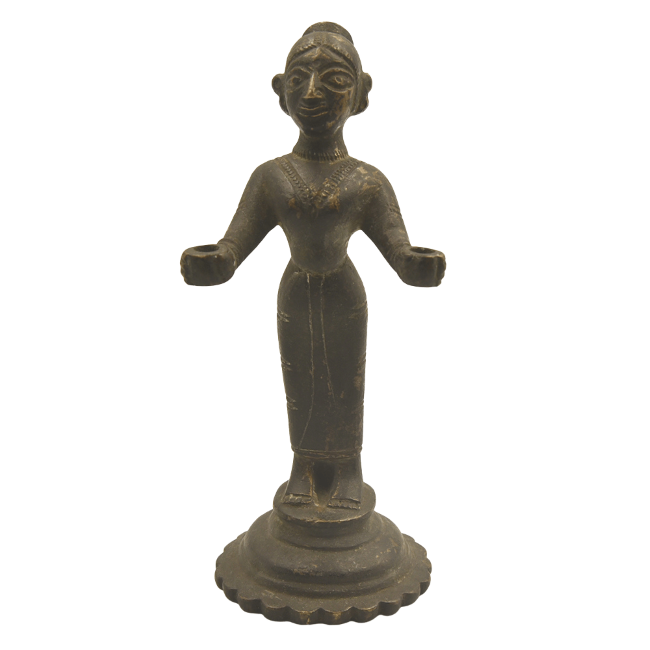 Image 1 of 7
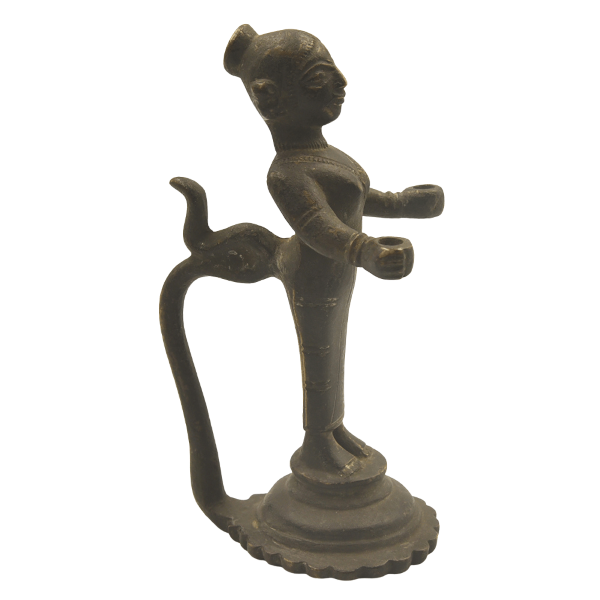 Image 2 of 7
 Image 3 of 7
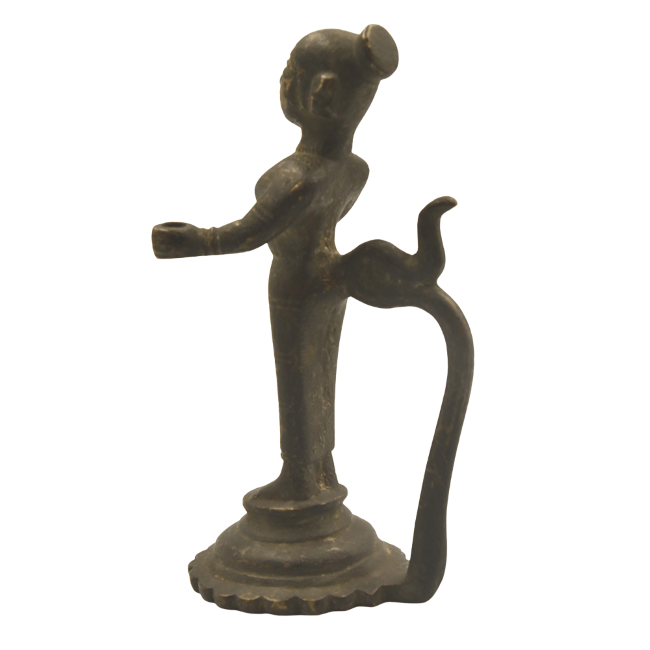 Image 4 of 7
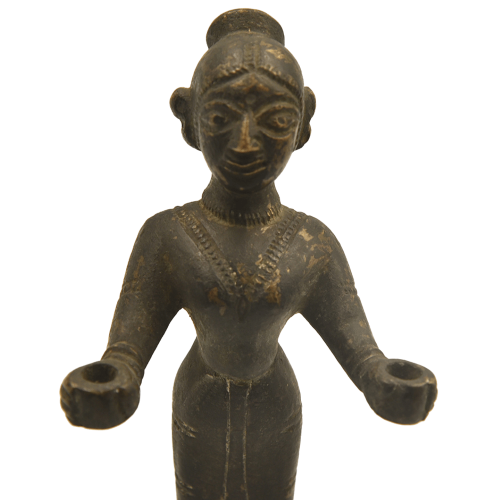 Image 5 of 7
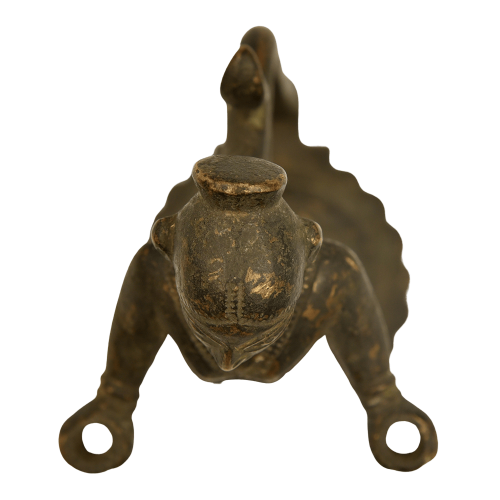 Image 6 of 7
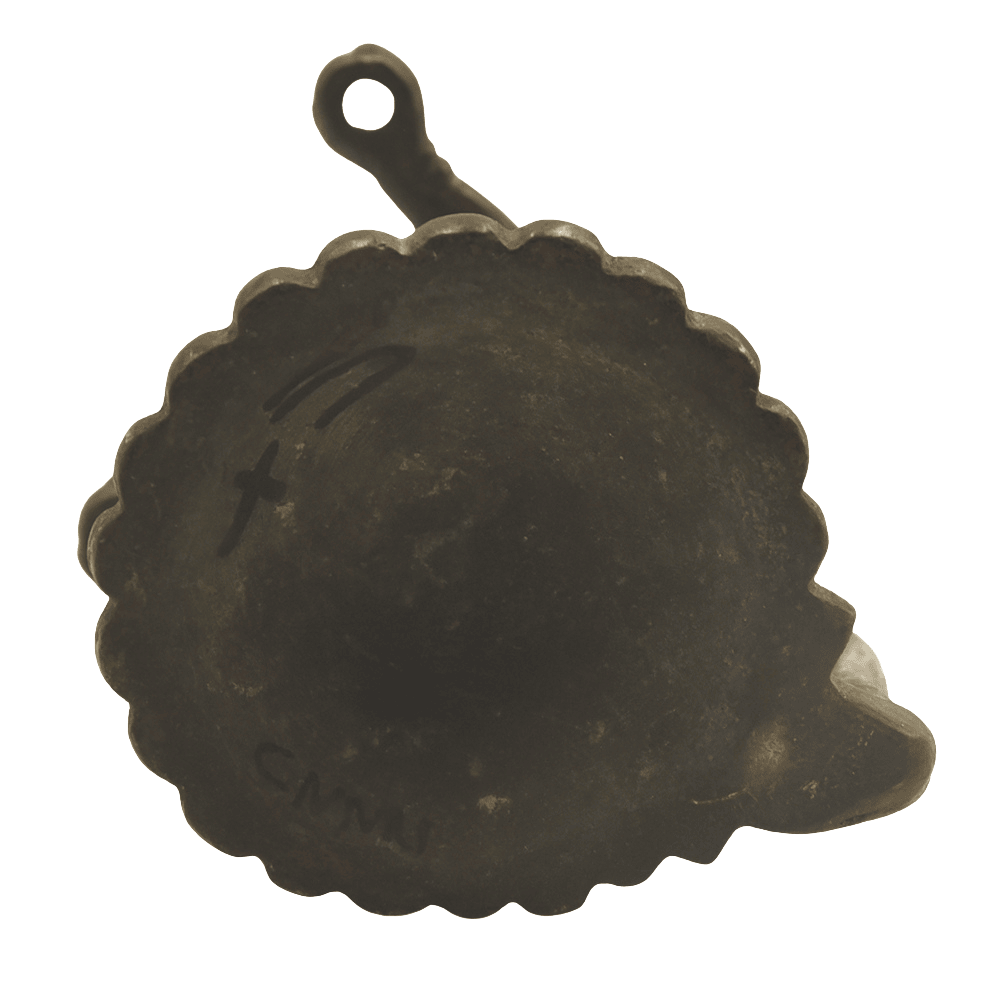 Image 7 of 7