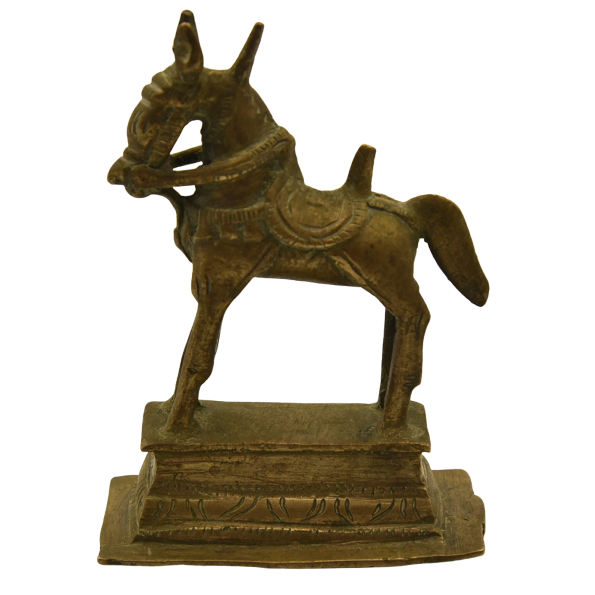
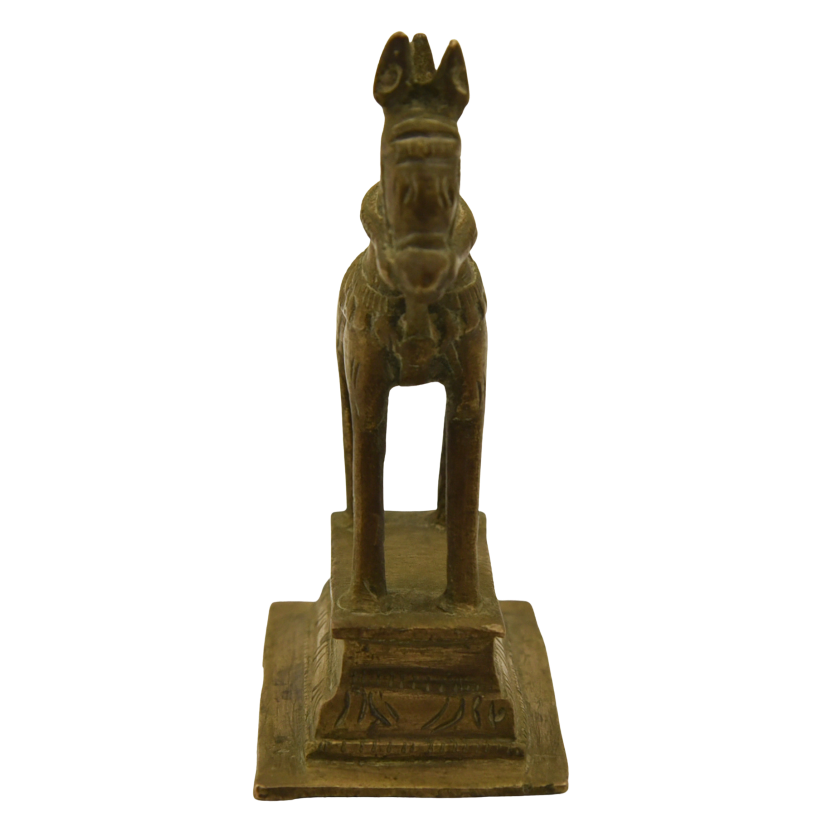
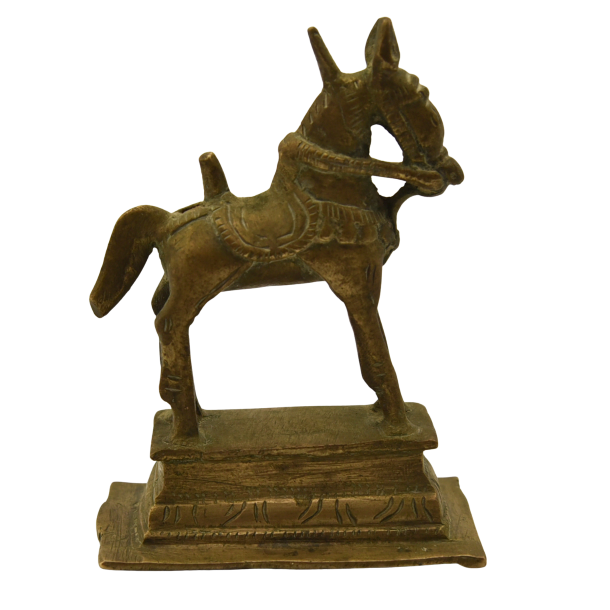
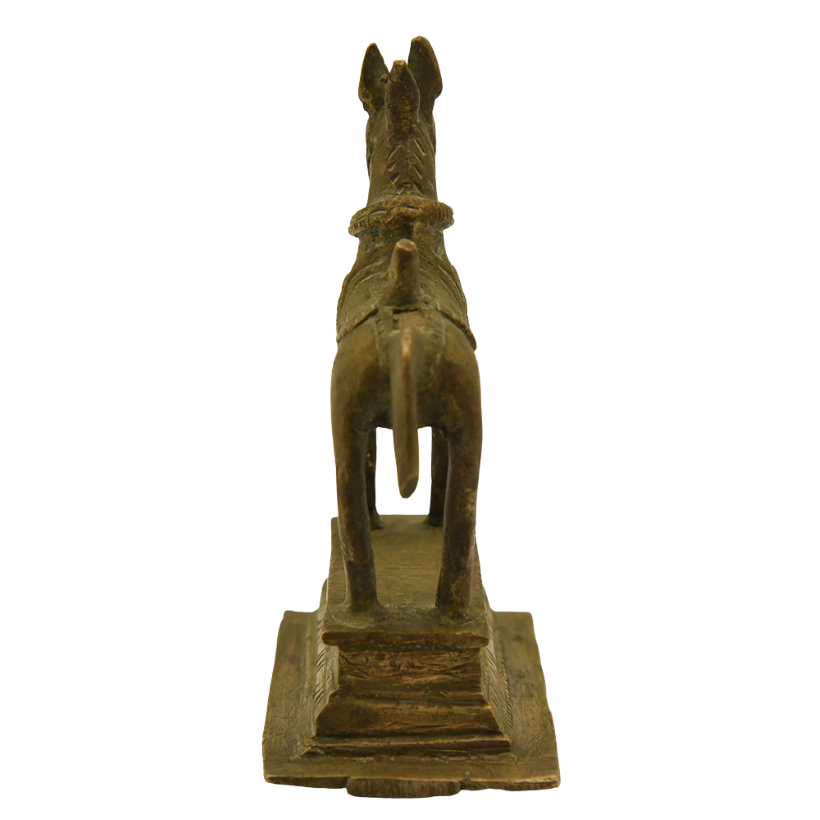
Date: late 19th century
Geography: Tibet
Culture: Tibetan
Dimensions: 5cm H x 3.5cm L x 2cm W.
Weight 90g
Material: bronze alloy
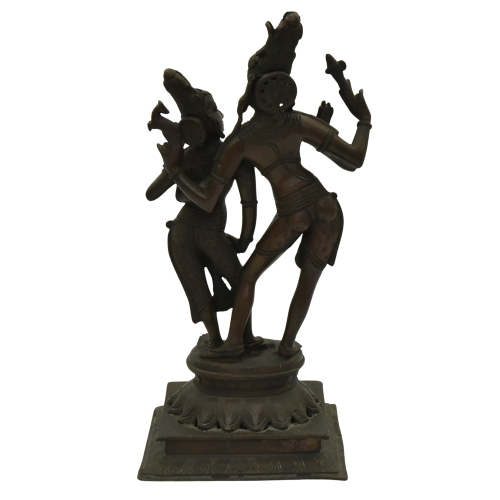
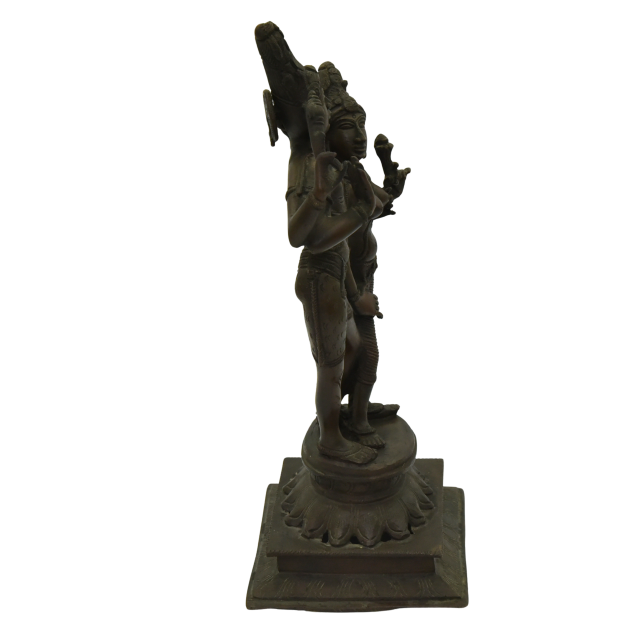
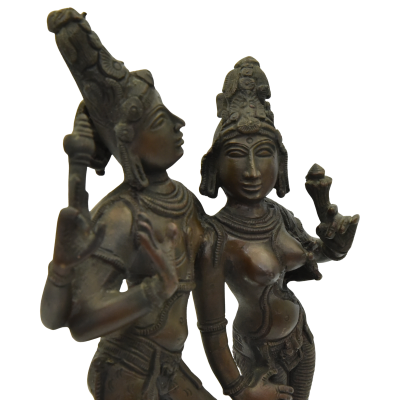
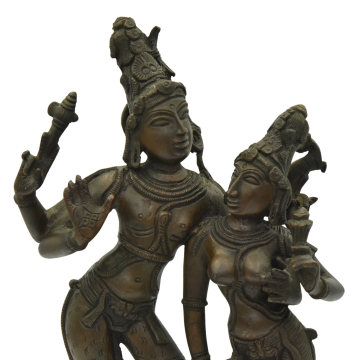
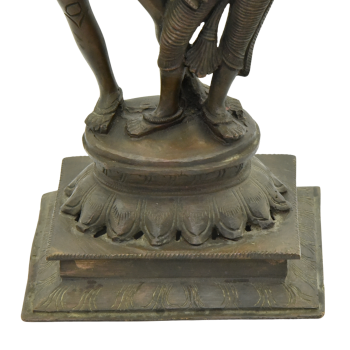
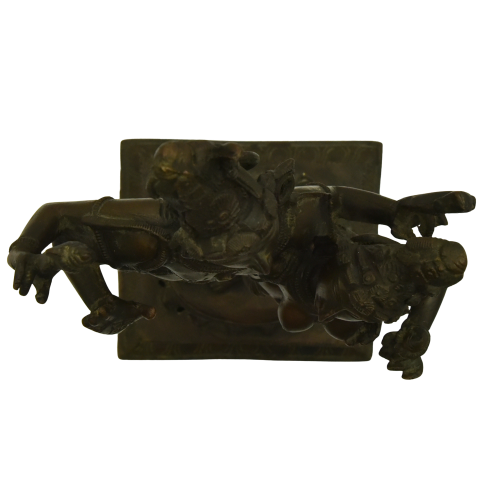
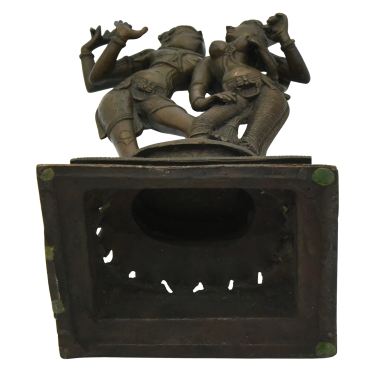
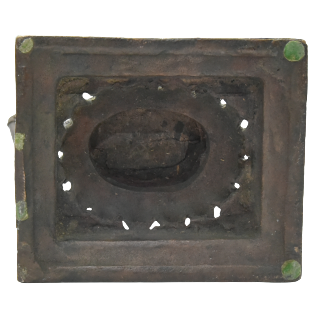
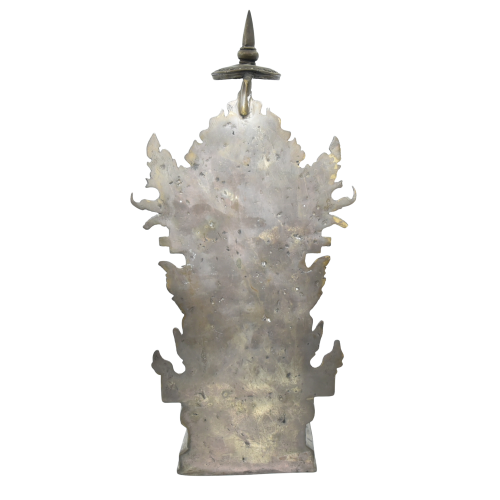
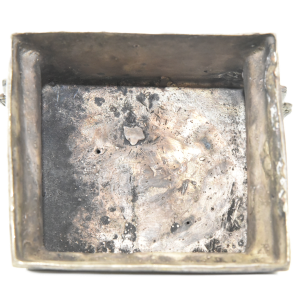
Condition is good for its age, see photos
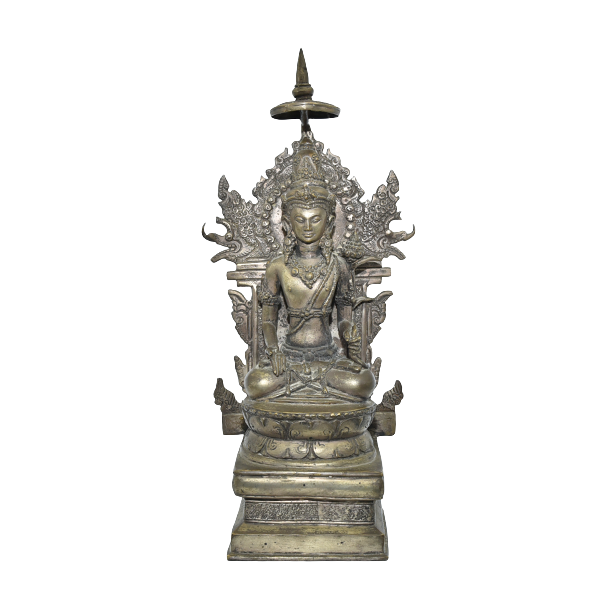
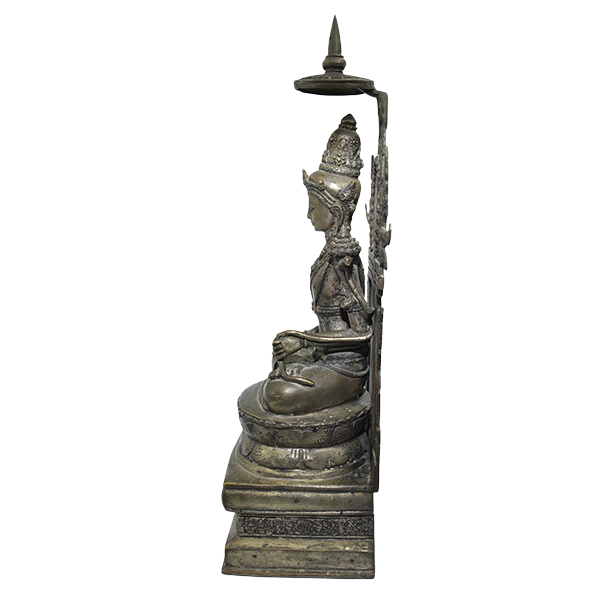
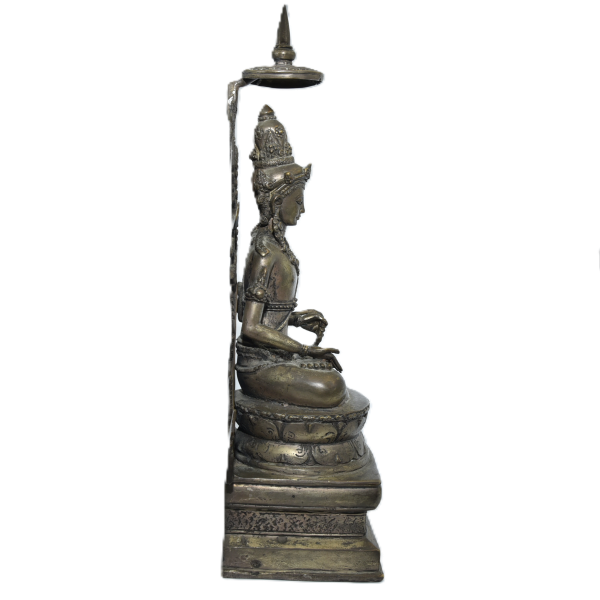
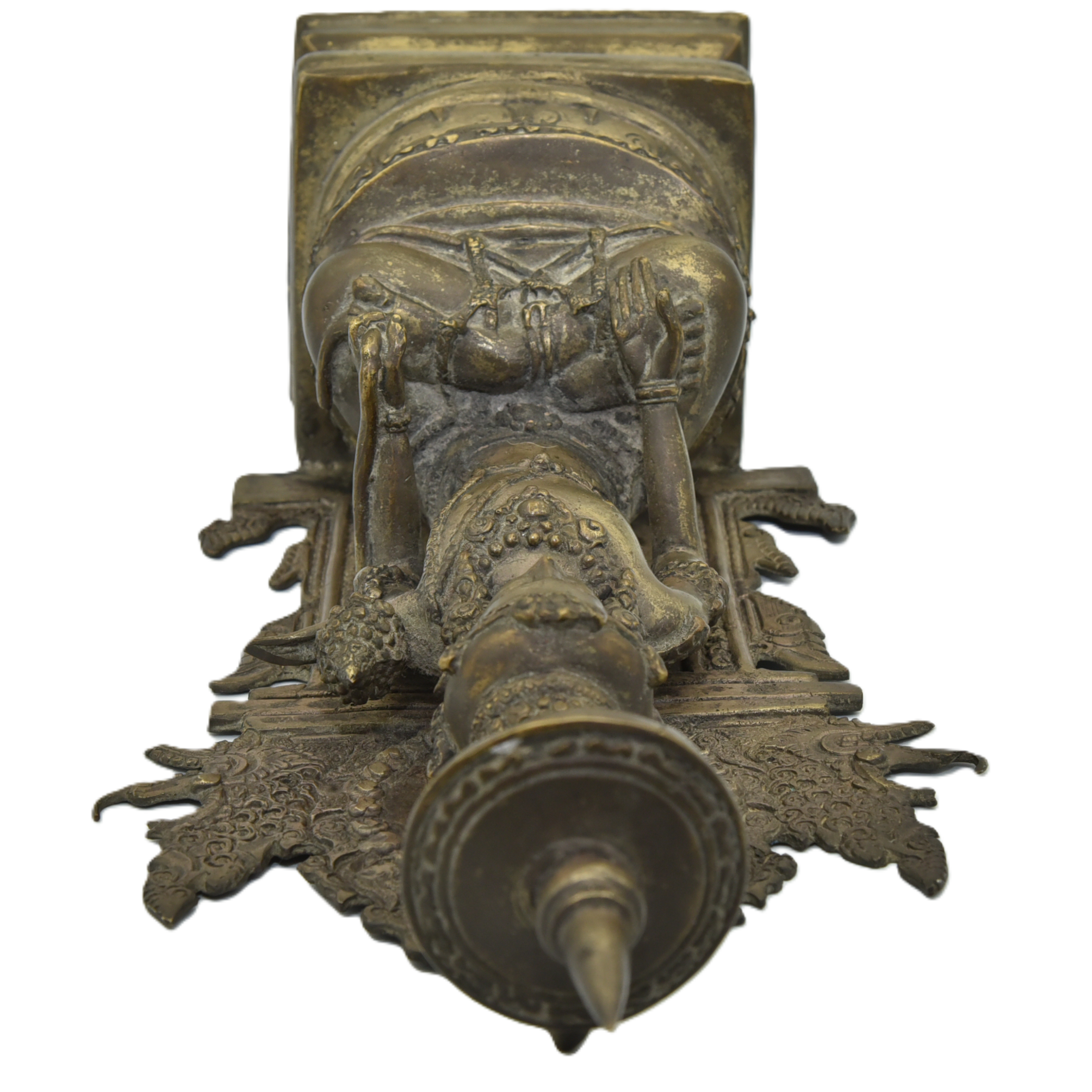
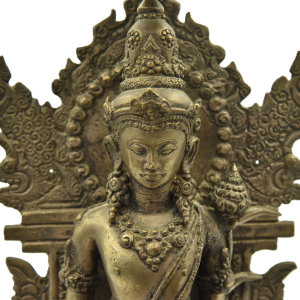
This small, late 19th-century bronze statue captures the spiritual essence of Lobsang Chokyi Gyaltsen (1570–1662), the first monk to be formally recognized as the Fourth Panchen Lama of Tibet. The figure sits in the traditional lotus position (Vajrasana), symbolising unwavering stability and enlightened realisation.
He is wearing the maroon robes of a Buddhist monk. During specific formal ceremonies and teachings, he would wear a yellow upper robe or shawl over his standard maroon garments. His hands are held reverently before his chest in the Anjali Mudra (gesture of respect or prayer), signifying his profound piety, devotion, and alignment with the teachings. The statue's relatively small size suggests it was likely a personal devotional object or a portable shrine piece, commissioned by a devotee or a monastic community as a focus for meditation and veneration. Though created centuries after his death, 19th-century works like this demonstrate the Panchen Lama's enduring importance as a spiritual successor of the Buddha Amitābha and a revered figure within the Gelug school of Tibetan Buddhism.
Date: late 19th century
Geography: Tibet
Culture: Tibetan
Dimensions: 5cm H x 3.5cm L x 2cm W.
Weight 90g
Material: bronze alloy
Condition is good for its age, see photos
This small, late 19th-century bronze statue captures the spiritual essence of Lobsang Chokyi Gyaltsen (1570–1662), the first monk to be formally recognized as the Fourth Panchen Lama of Tibet. The figure sits in the traditional lotus position (Vajrasana), symbolising unwavering stability and enlightened realisation.
He is wearing the maroon robes of a Buddhist monk. During specific formal ceremonies and teachings, he would wear a yellow upper robe or shawl over his standard maroon garments. His hands are held reverently before his chest in the Anjali Mudra (gesture of respect or prayer), signifying his profound piety, devotion, and alignment with the teachings. The statue's relatively small size suggests it was likely a personal devotional object or a portable shrine piece, commissioned by a devotee or a monastic community as a focus for meditation and veneration. Though created centuries after his death, 19th-century works like this demonstrate the Panchen Lama's enduring importance as a spiritual successor of the Buddha Amitābha and a revered figure within the Gelug school of Tibetan Buddhism.


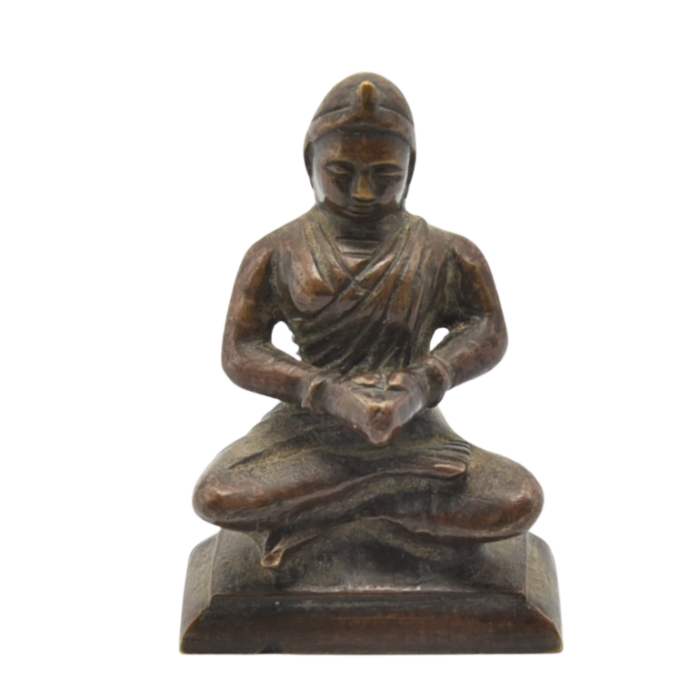 Image 1 of 6
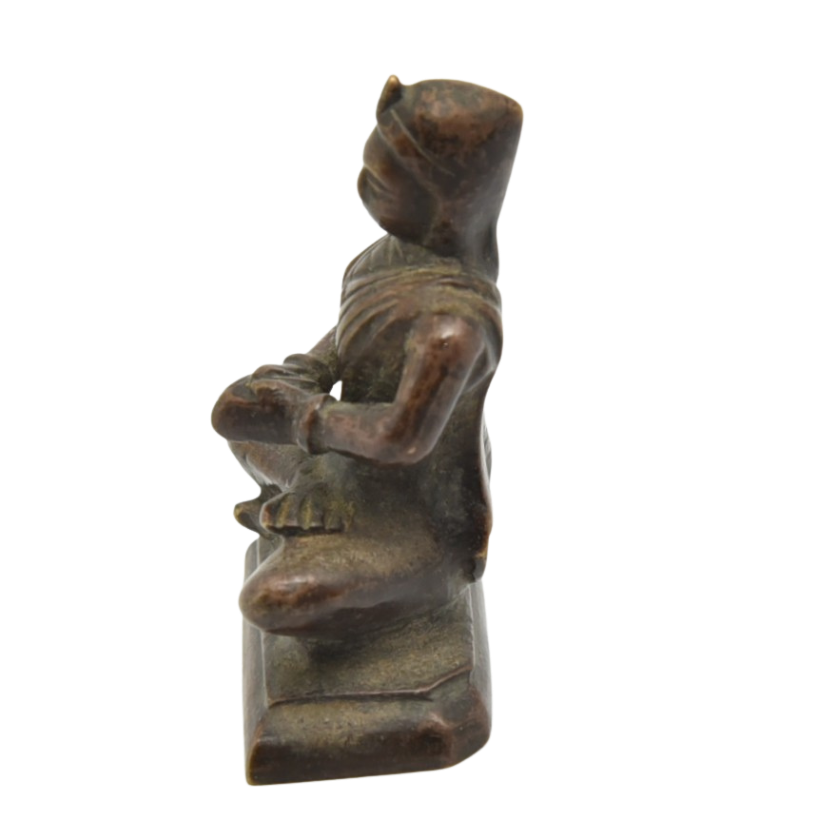 Image 2 of 6
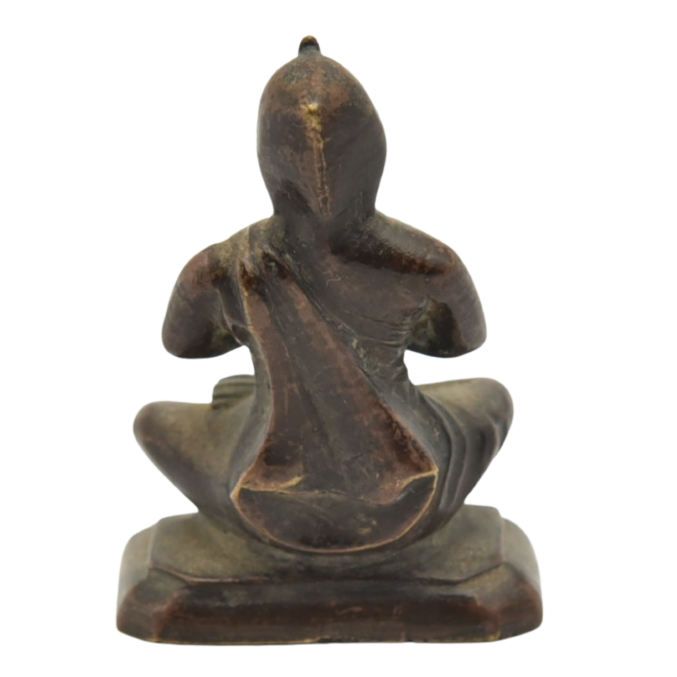 Image 3 of 6
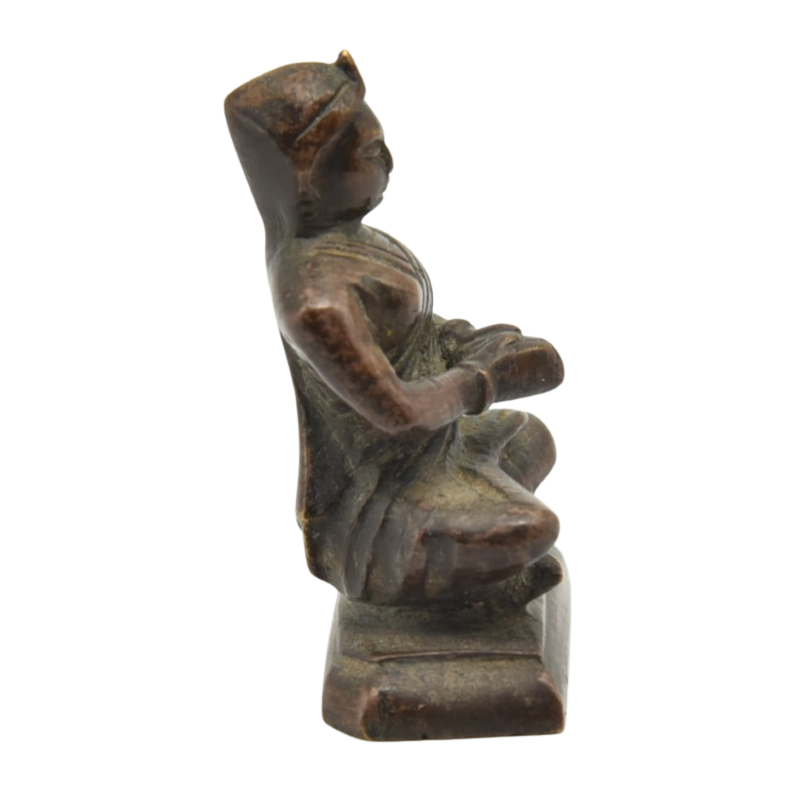 Image 4 of 6
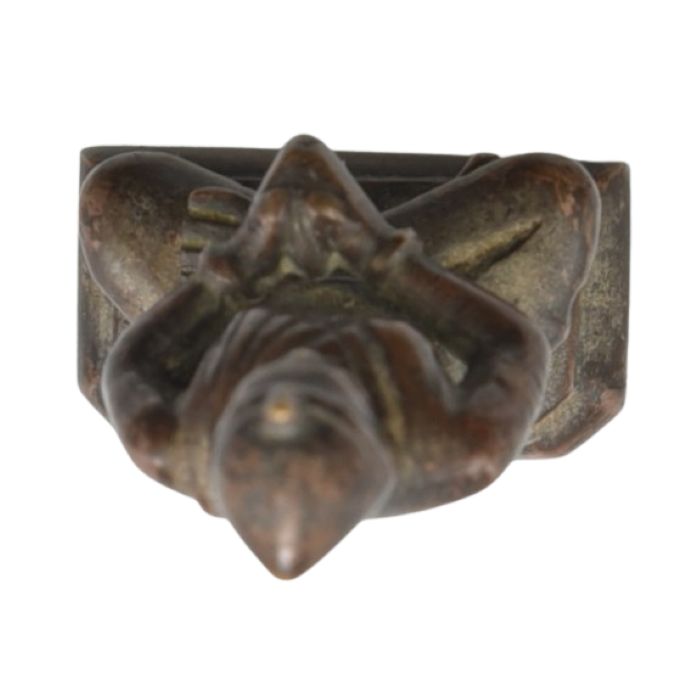 Image 5 of 6
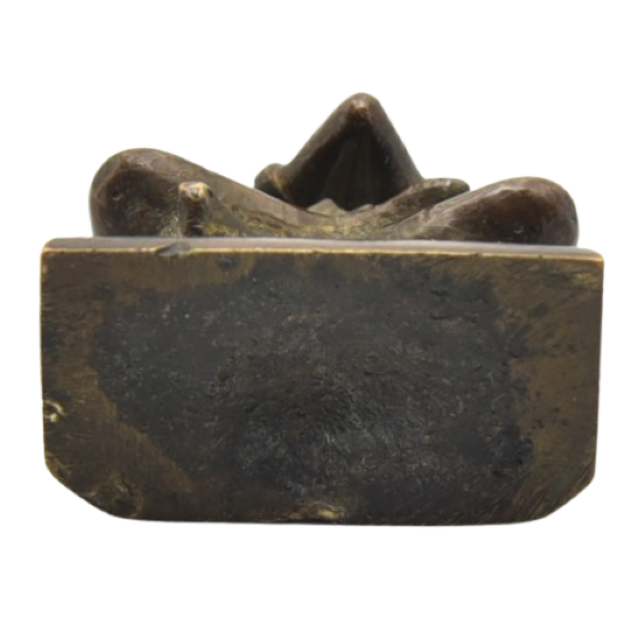 Image 6 of 6