Date: Mid 20th century
Geography: India
Dimensions: 29.5cm H x 25m W x 7.5cm D
Weight: 987g
Material: Wood
Condition: Good for its age, some wear and tear, see photo
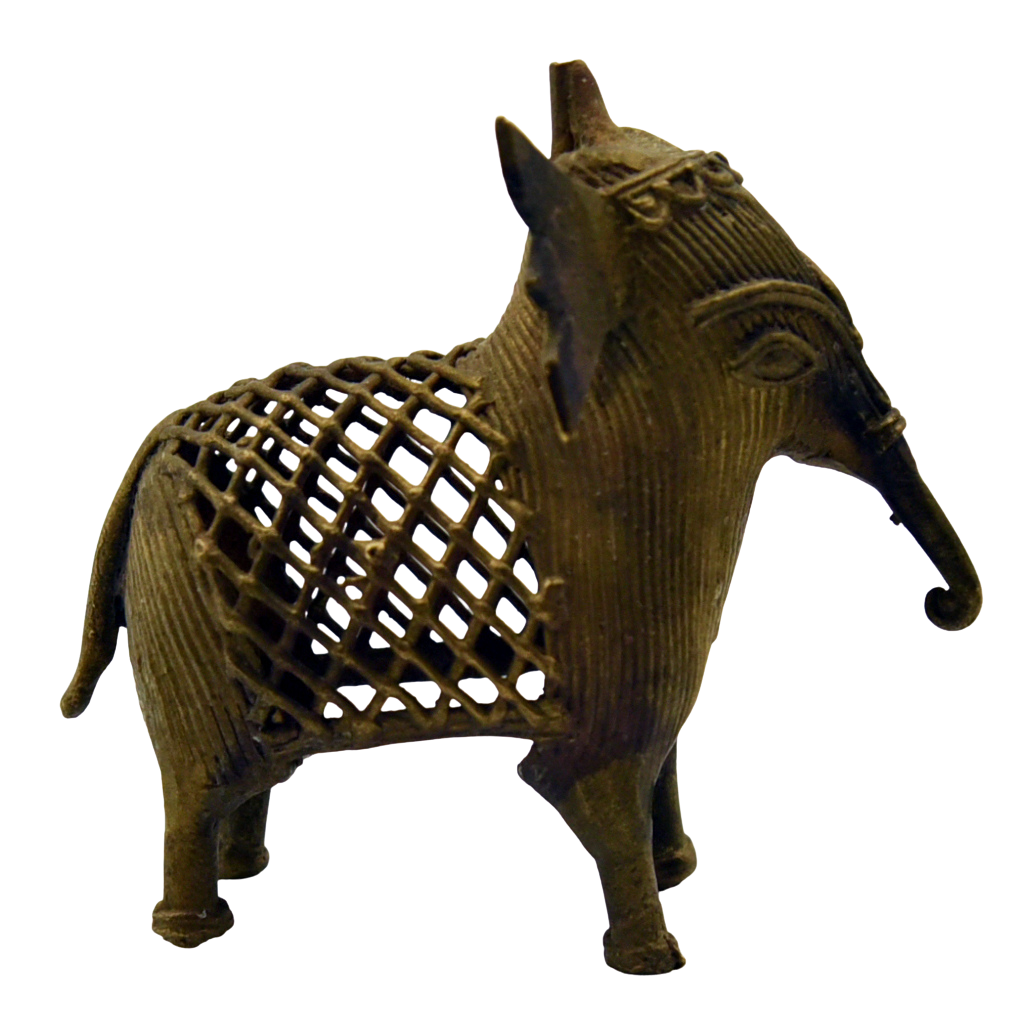
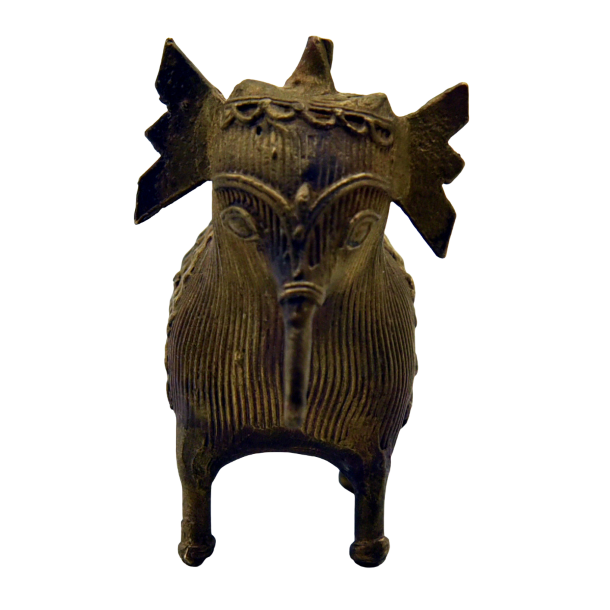
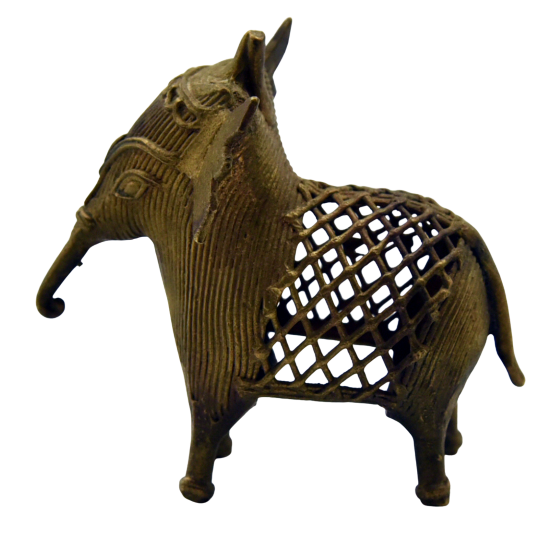
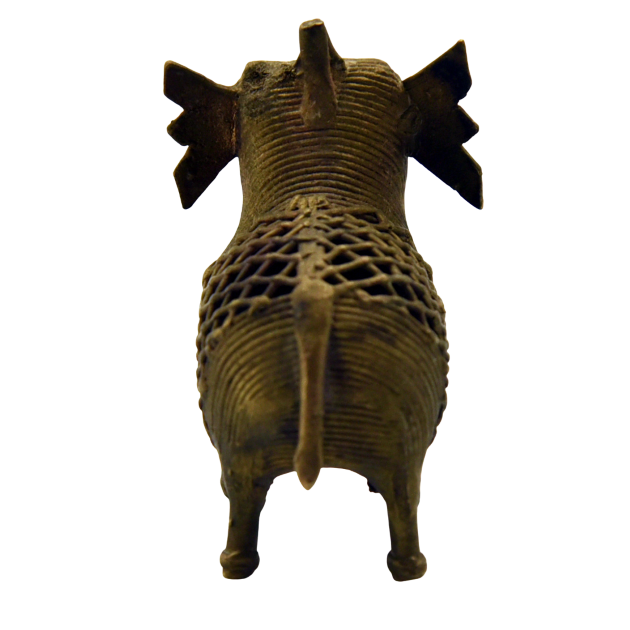
This wooden Marwari horse was handmade in Rajasthan, India. It is carved from either mango wood or jackwood, both commonly used by craftsmen in the region. The figure has brass inlay decoration and sits on a curved base which was made seperatly, as was the tail, which allows the horse to rock.
The Marwari horse is a breed native to the Marwar (Jodhpur) region of Rajasthan, recognisable by its distinctive inward curving ears. Historically the breed was bred and used by the Rathore clan of Rajputs. Marwari horses were used for agricultural work and everyday riding, and were also trained as cavalry horses, valued for their loyalty and stamina in conflict. Wooden carvings like this one are traditionally made as decorative pieces or toys, and reflect the cultural significance of the horse in Rajasthani history.
As with all handmade items, slight variations in carving, colour, and finish are normal and are part of the character of the piece. Each item is one of a kind. Dimensions and weight are approximate and may vary slightly due to the handmade nature of the item.
Date: Mid 20th century
Geography: India
Dimensions: 29.5cm H x 25m W x 7.5cm D
Weight: 987g
Material: Wood
Condition: Good for its age, some wear and tear, see photo
This wooden Marwari horse was handmade in Rajasthan, India. It is carved from either mango wood or jackwood, both commonly used by craftsmen in the region. The figure has brass inlay decoration and sits on a curved base which was made seperatly, as was the tail, which allows the horse to rock.
The Marwari horse is a breed native to the Marwar (Jodhpur) region of Rajasthan, recognisable by its distinctive inward curving ears. Historically the breed was bred and used by the Rathore clan of Rajputs. Marwari horses were used for agricultural work and everyday riding, and were also trained as cavalry horses, valued for their loyalty and stamina in conflict. Wooden carvings like this one are traditionally made as decorative pieces or toys, and reflect the cultural significance of the horse in Rajasthani history.
As with all handmade items, slight variations in carving, colour, and finish are normal and are part of the character of the piece. Each item is one of a kind. Dimensions and weight are approximate and may vary slightly due to the handmade nature of the item.


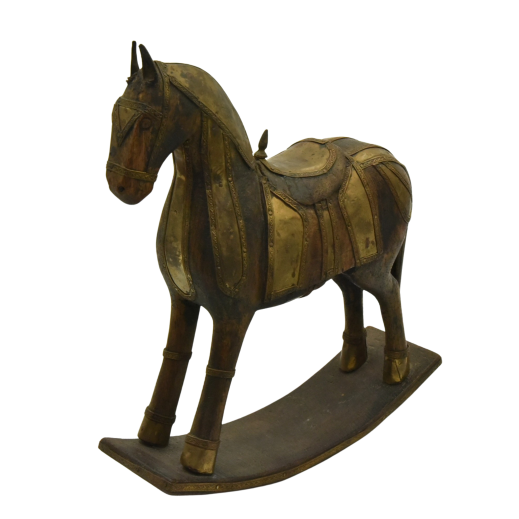 Image 1 of 15
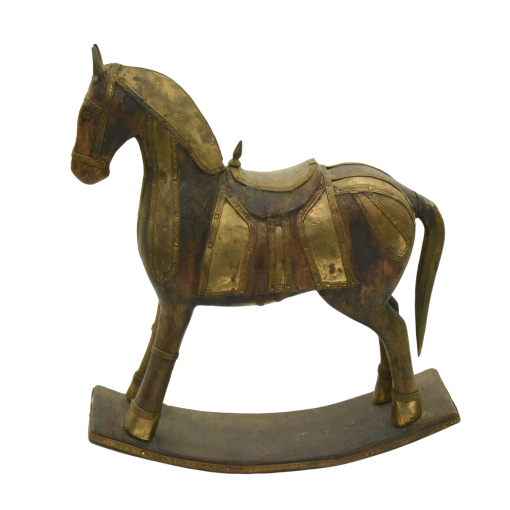 Image 2 of 15
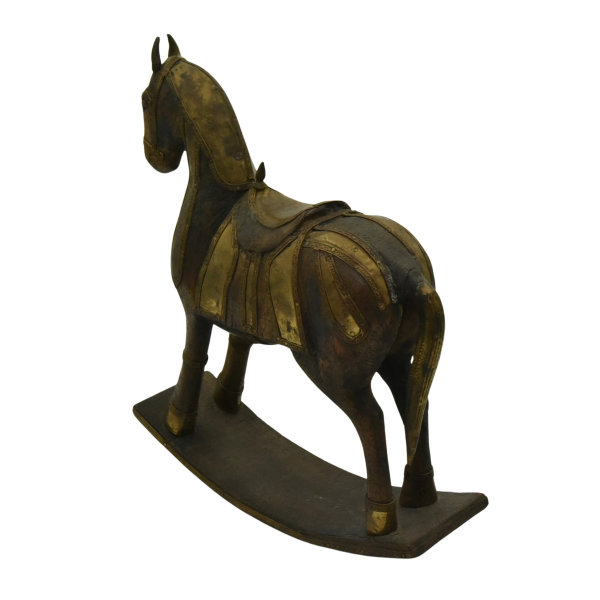 Image 3 of 15
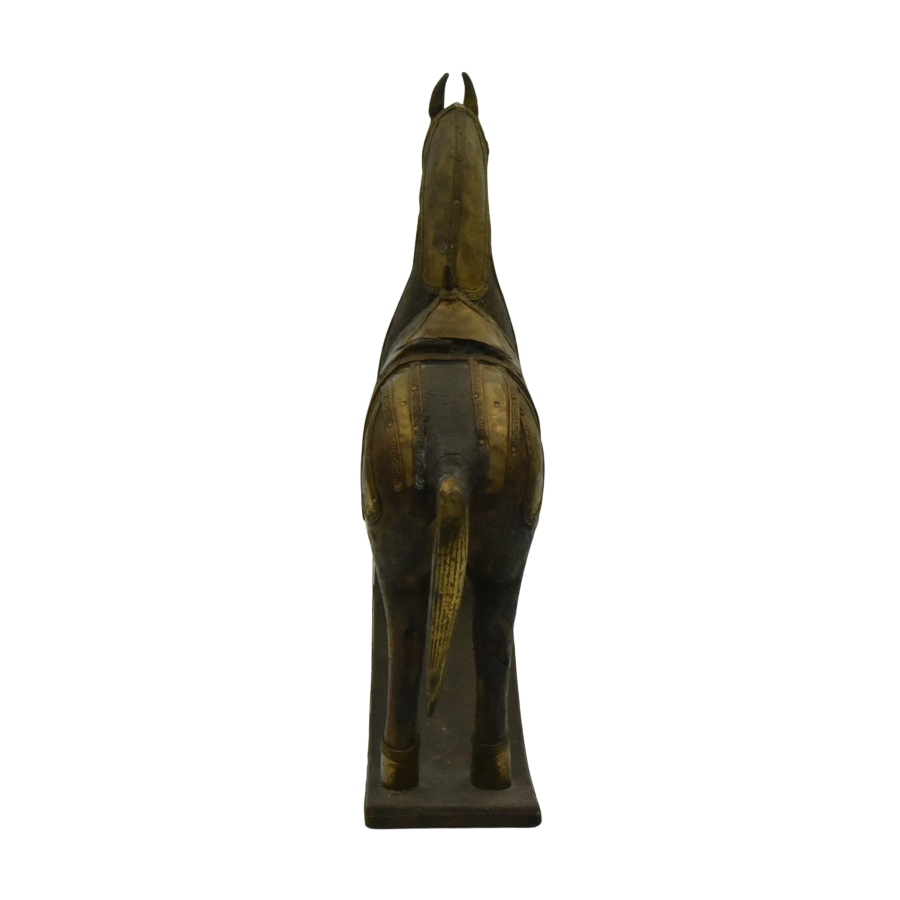 Image 4 of 15
 Image 5 of 15
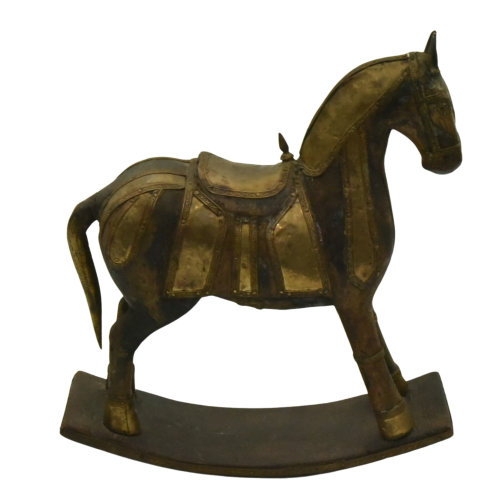 Image 6 of 15
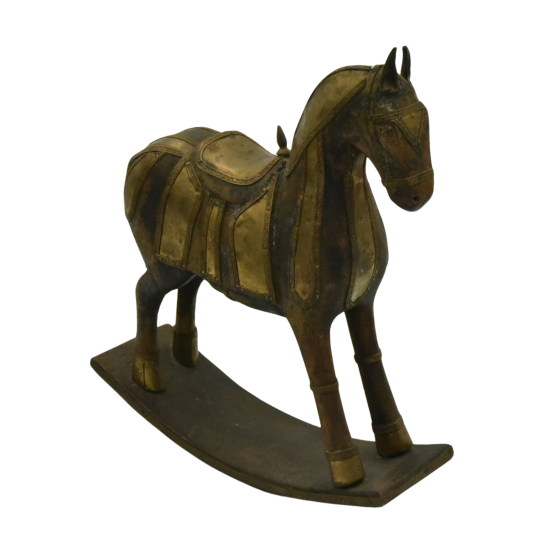 Image 7 of 15
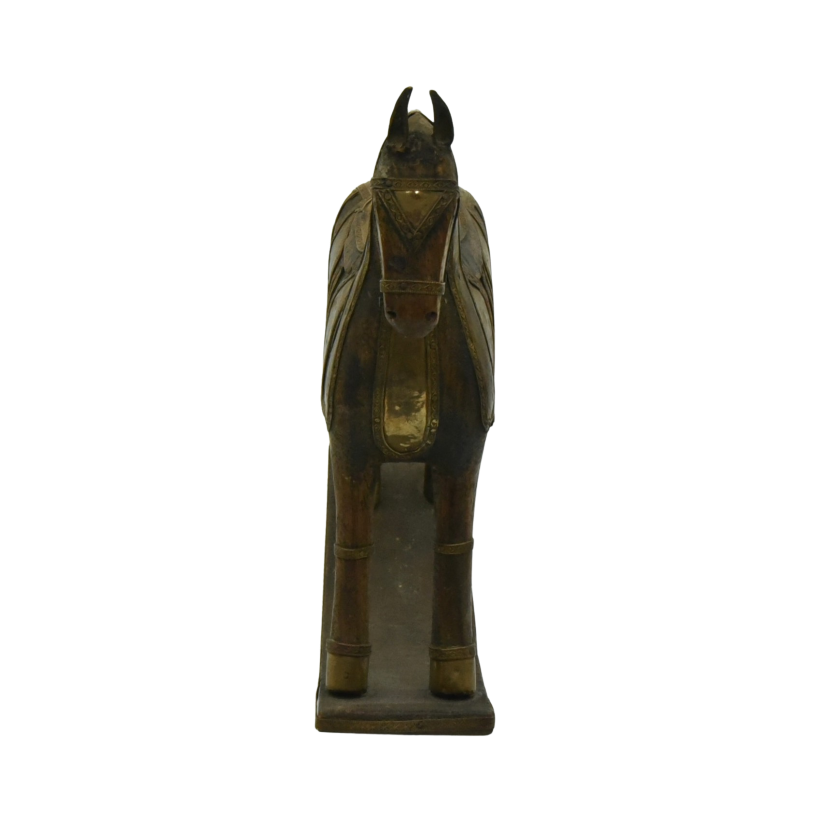 Image 8 of 15
 Image 9 of 15
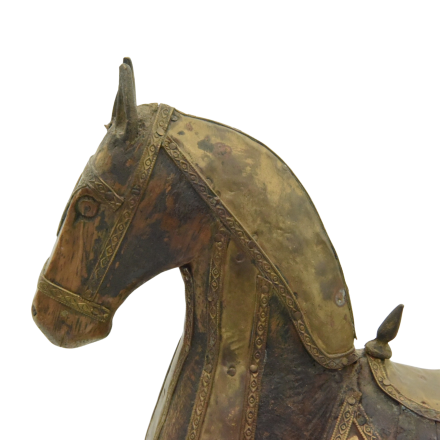 Image 10 of 15
 Image 11 of 15
 Image 12 of 15
 Image 13 of 15
 Image 14 of 15
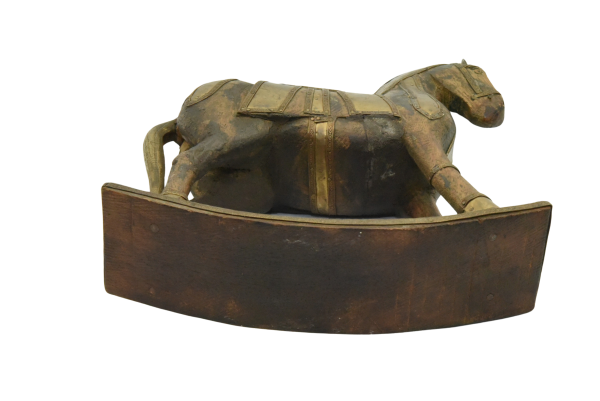 Image 15 of 15