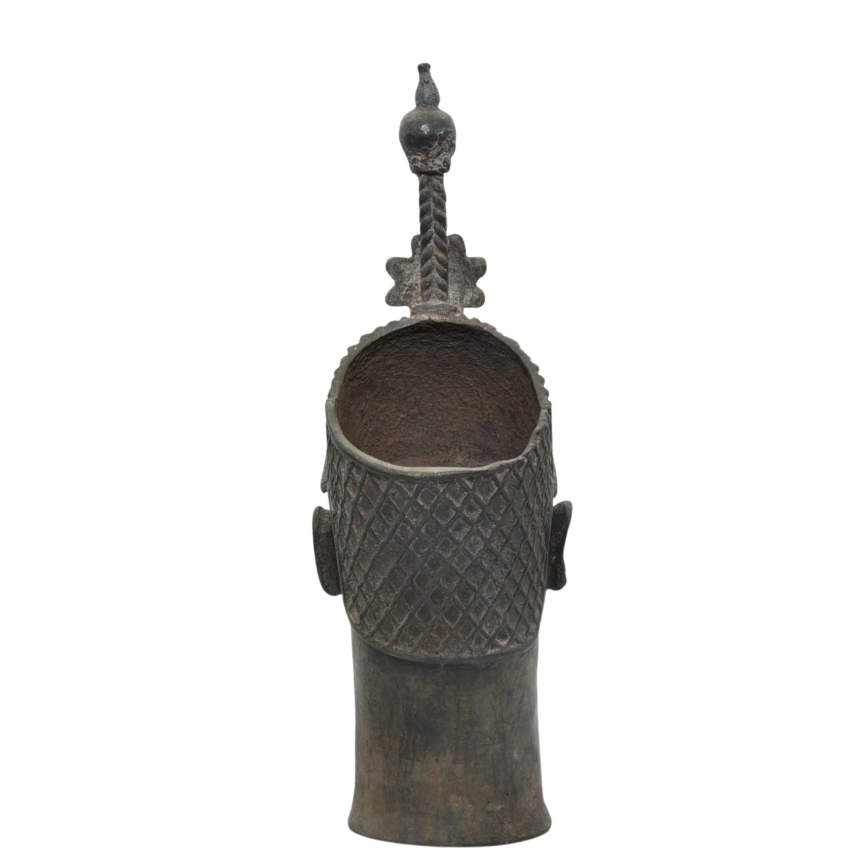
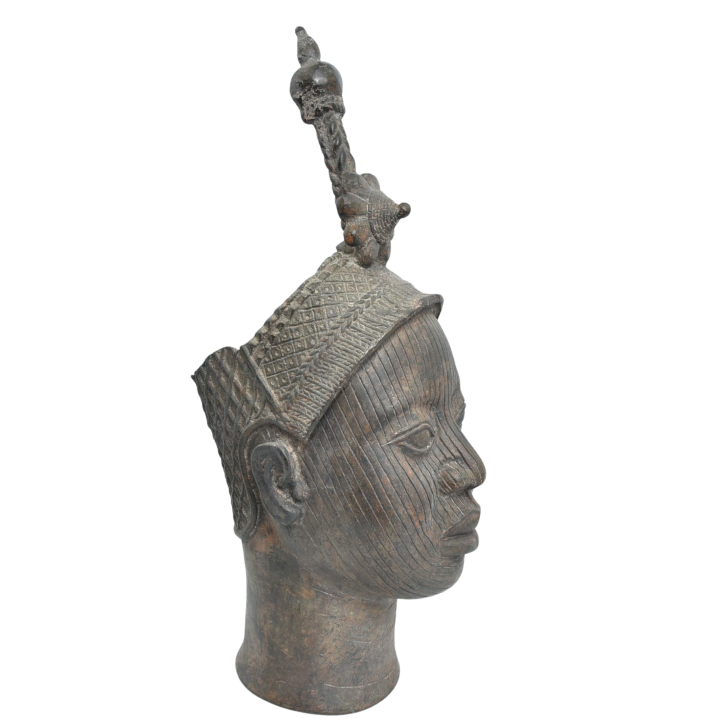
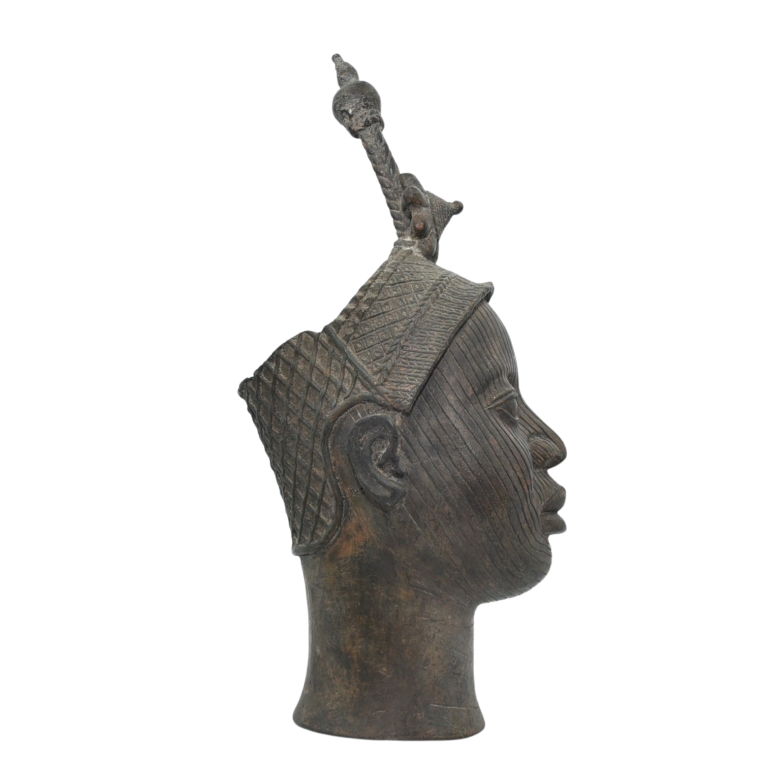
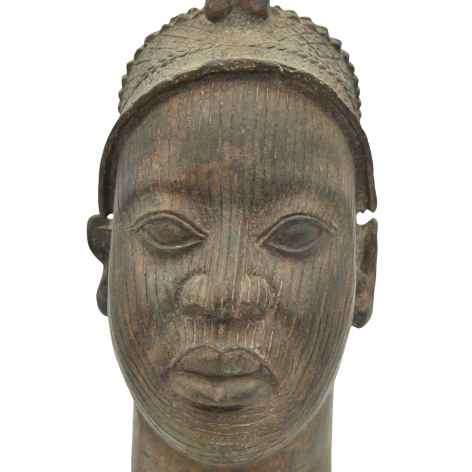
Date: Circa 19th century
Geography: Tibet
Culture: Tibetan
Dimensions: 6cm H x 3.5cm W x 3cm D
Weight: 90g
Material: Bronze alloy
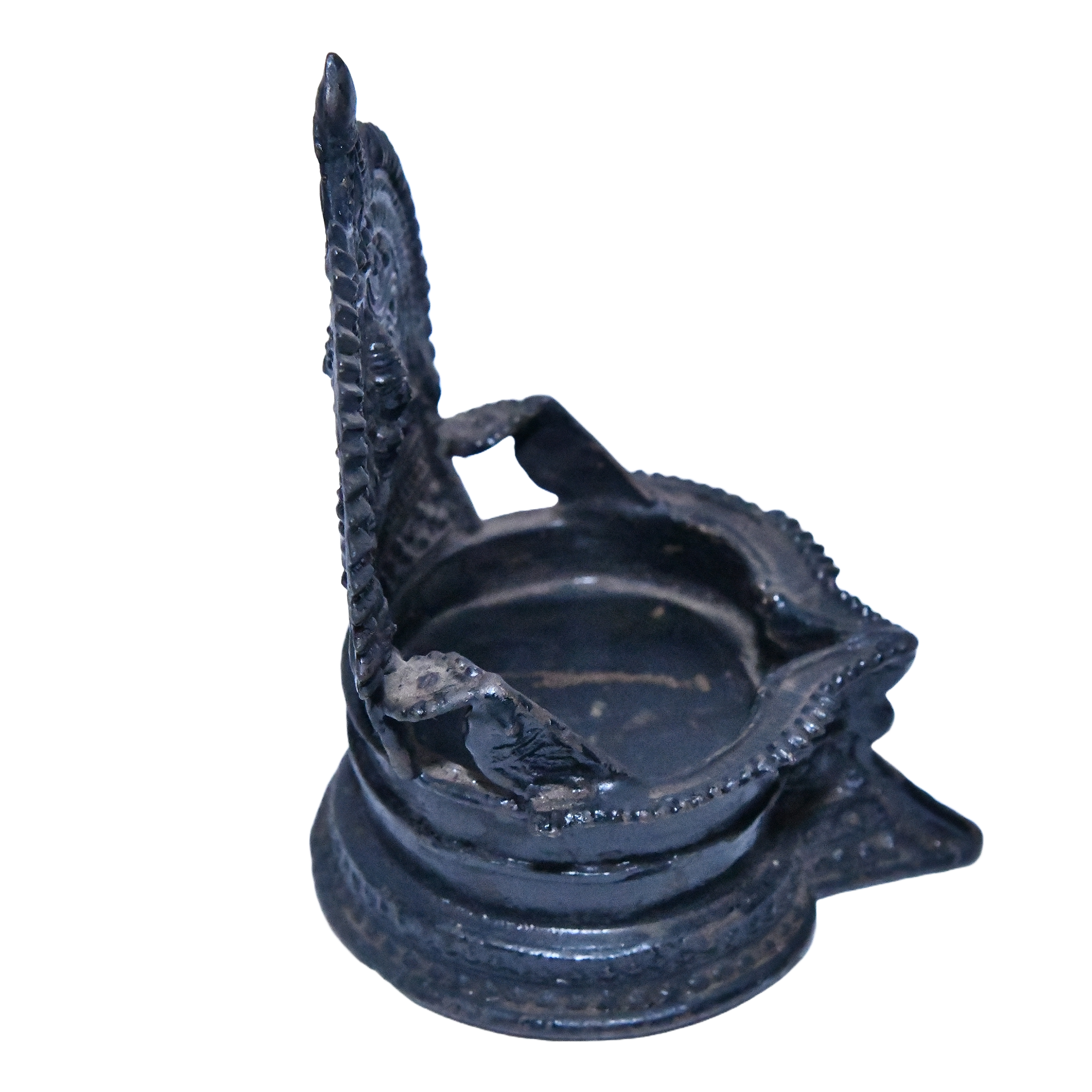
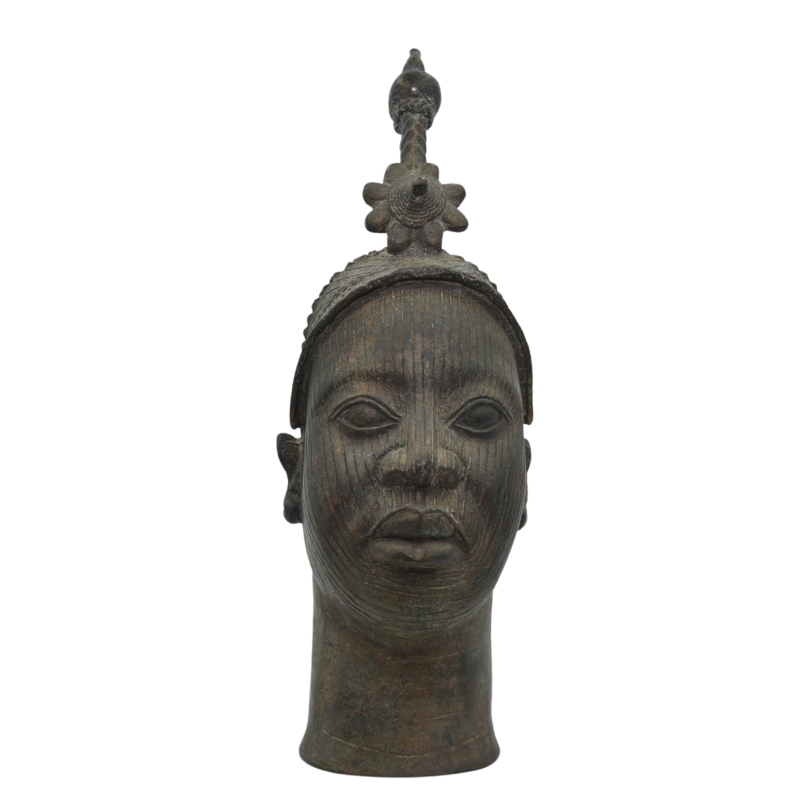
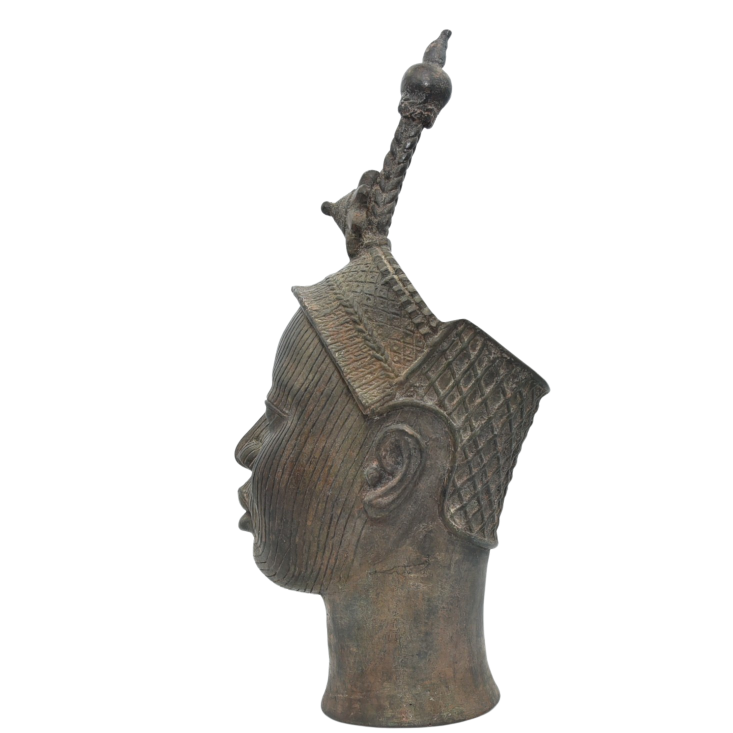
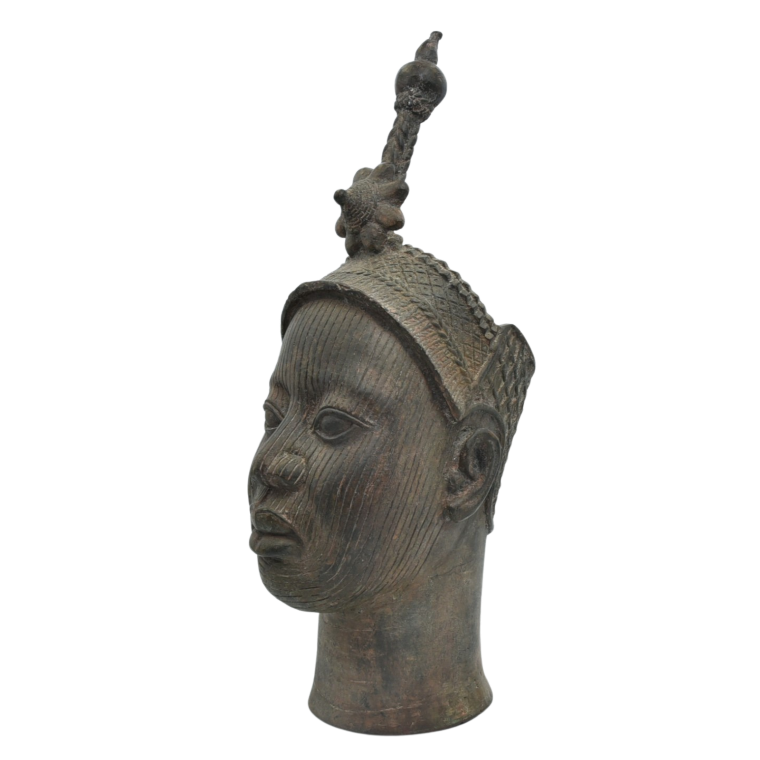
Condition: Good for its age, see photos
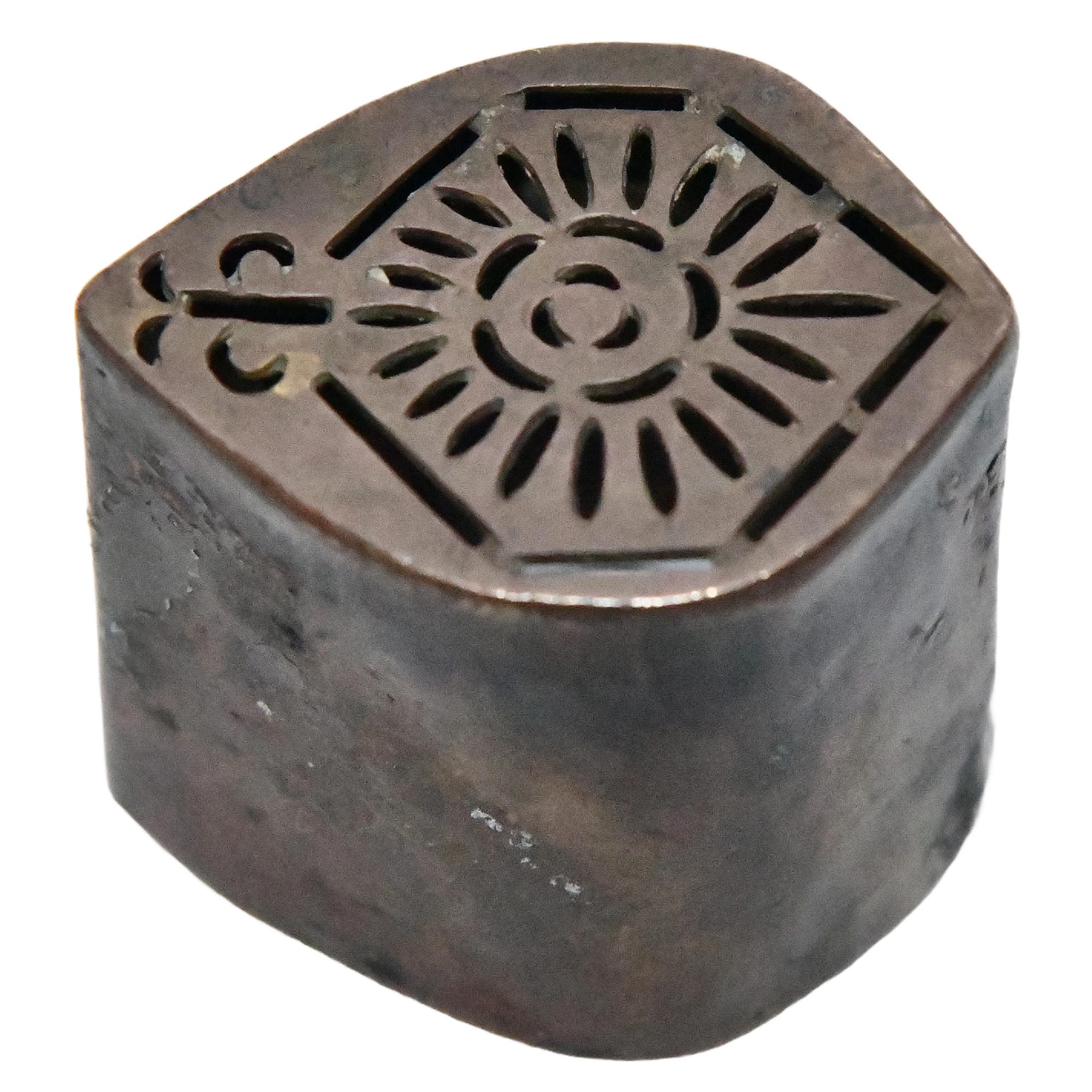
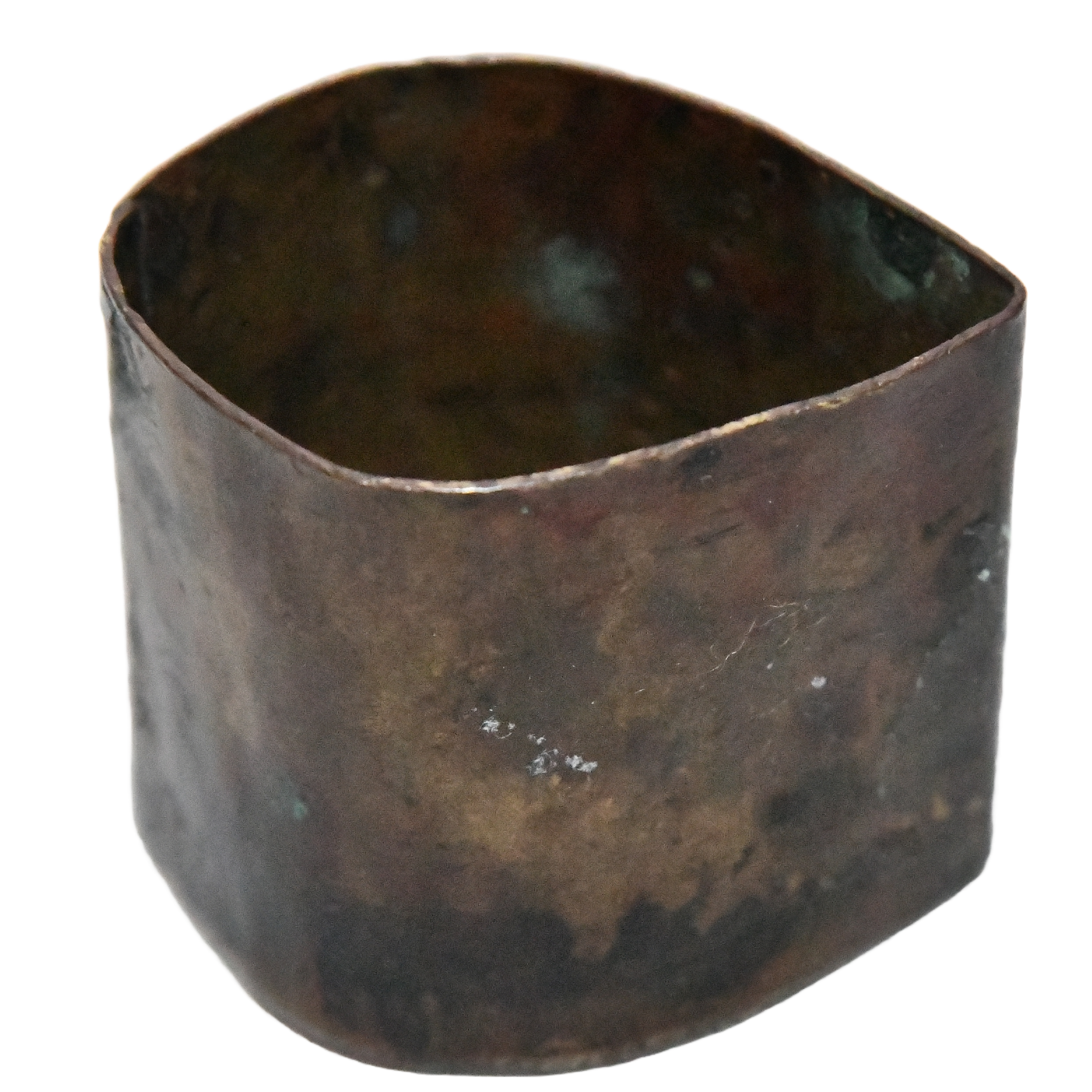
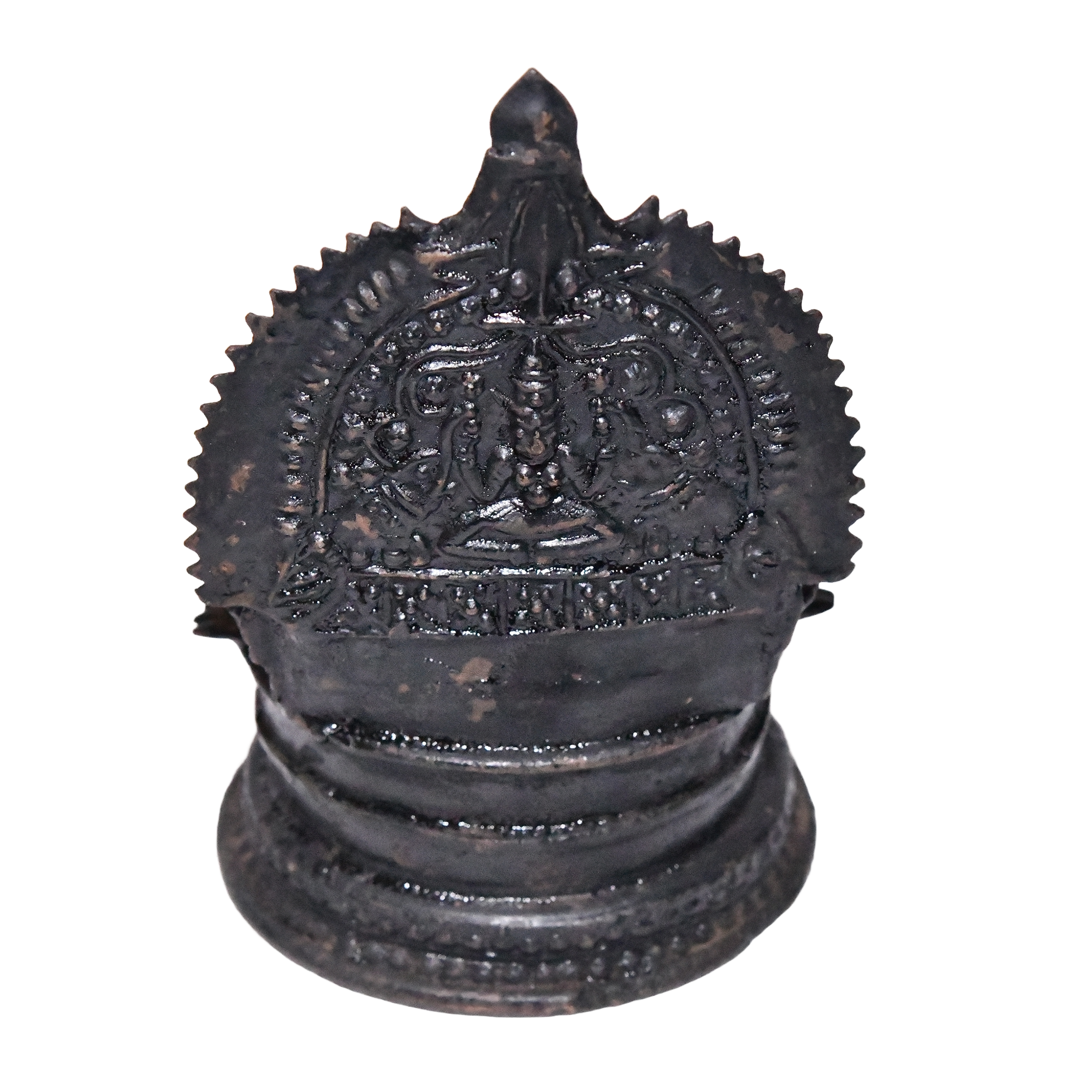
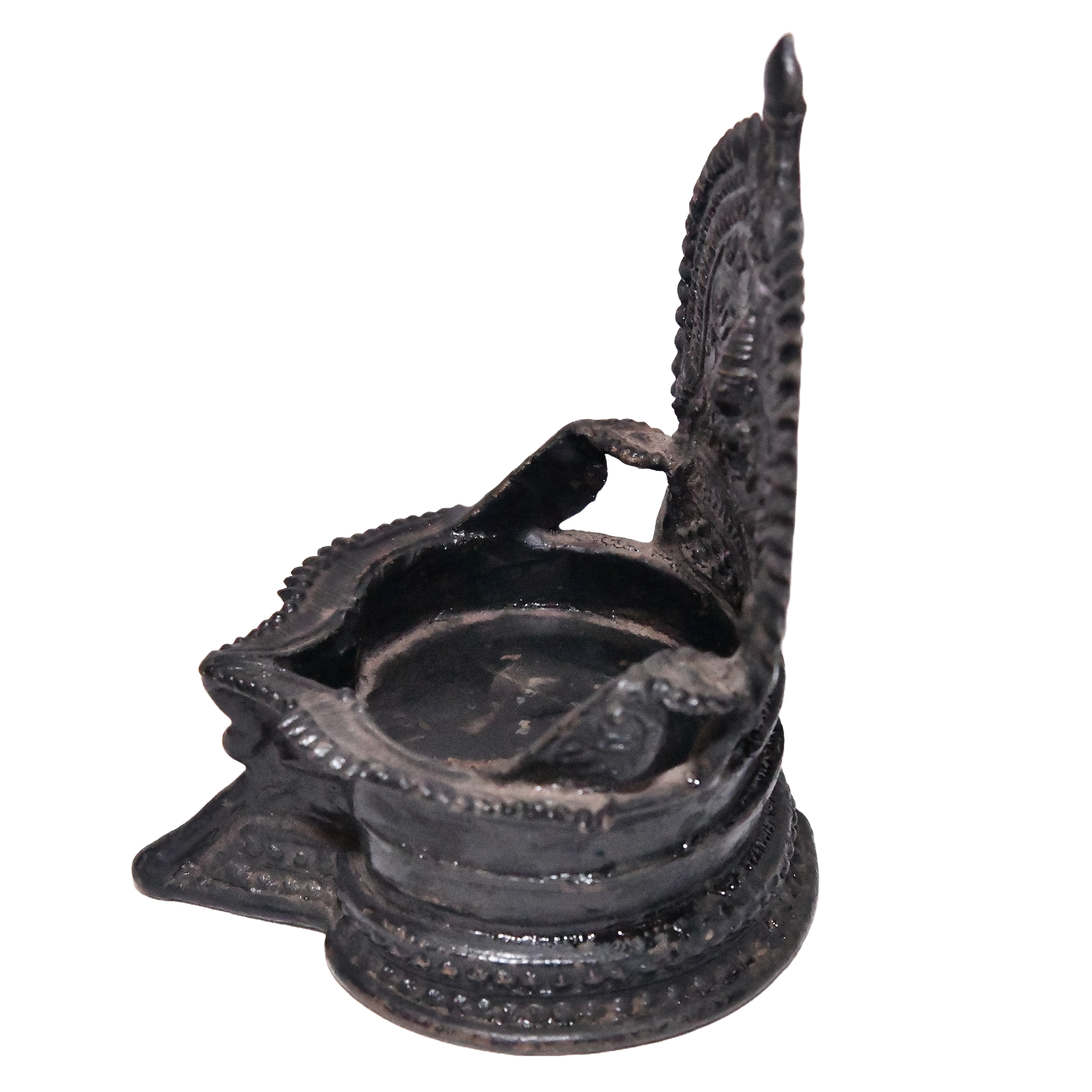
This small hand-cast bronze depicts a lama seated cross-legged in the lotus posture (padmasana) on a lotus pedestal, wearing monastic robes and a hooded head covering, with his hands held together in front of him. It may represent Lama Tsongkhapa (1357–1419), the scholar and reformer who founded the Gelug school of Tibetan Buddhism, although the figure lacks some of the attributes usually seen in his images. The bronze has a warm, aged patina.
Small devotional figures like this were cast in large numbers in Tibet using the lost-wax method, and were often made for personal shrines, where they served as a focus for prayer (puja) and meditation. Its simple, compact form makes it an appealing piece for a collection, desk or shrine.
As with all our antique pieces, this figure is one of a kind, and natural variations in patina, casting texture and surface wear should be expected as part of its authentic character and history. Dimensions and weight are approximate.


 Image 1 of 6
 Image 2 of 6
 Image 3 of 6
 Image 4 of 6
 Image 5 of 6
 Image 6 of 6